
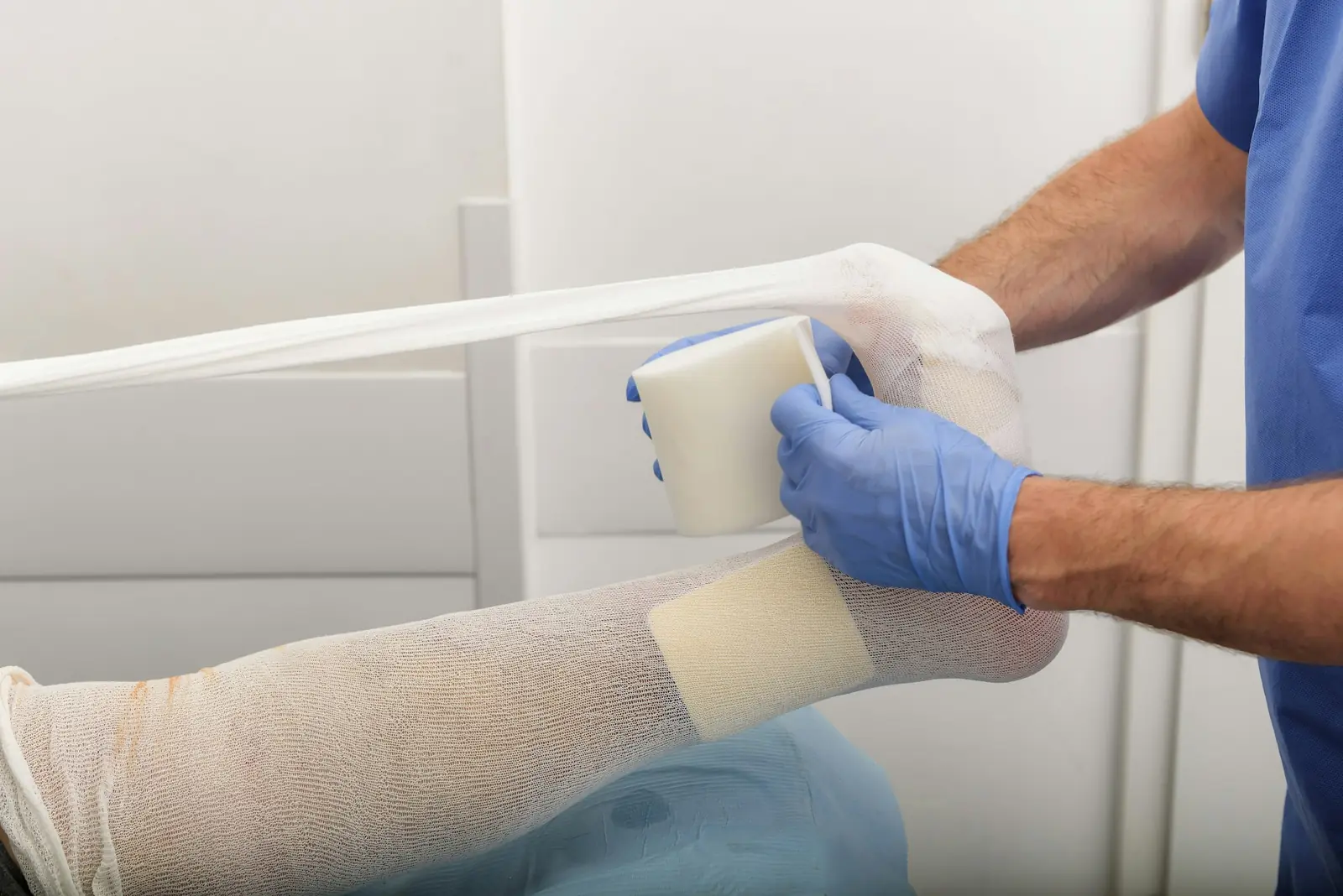
Our Hudson office offers advanced wound care, including wound assessment and staging, debridement, dressing selection, and grafting when appropriate. Dr. John Hanna is advanced wound care certified, and care is coordinated with your primary care team, which is especially helpful for patients with diabetes.
Advanced wound care is specialized treatment for wounds that are slow to heal or complex, such as diabetic foot ulcers, pressure injuries, and surgical sites that are healing slowly. It is for adults whose wounds need more than basic first aid and routine dressing changes. Our Hudson office offers advanced wound care, and patients from our Trinity office and nearby communities are welcome to be seen there.
Care close to home
Chronic wounds have often meant a referral to a hospital based wound center. For many of our patients, that care is now available in the same practice that already knows their history. Dr. John Hanna is board certified in internal medicine and advanced wound care certified, and he leads our wound care services.
Having wound care and primary care under one roof at our Hudson office means your wound care plan and the rest of your health plan are built together.
What's included
Wound care at our Hudson office covers a range of needs, from diabetic ulcers to grafting:
- Wound assessment and staging to understand the size, depth, and type of wound
- Debridement, which is careful removal of tissue that is slowing healing
- Dressing selection matched to your wound and how it is changing
- Grafting when appropriate
- Regular follow up visits to track healing and adjust the plan
Your provider will also look at factors that affect healing, such as blood sugar, circulation, nutrition, and medications.
Why this helps patients with diabetes
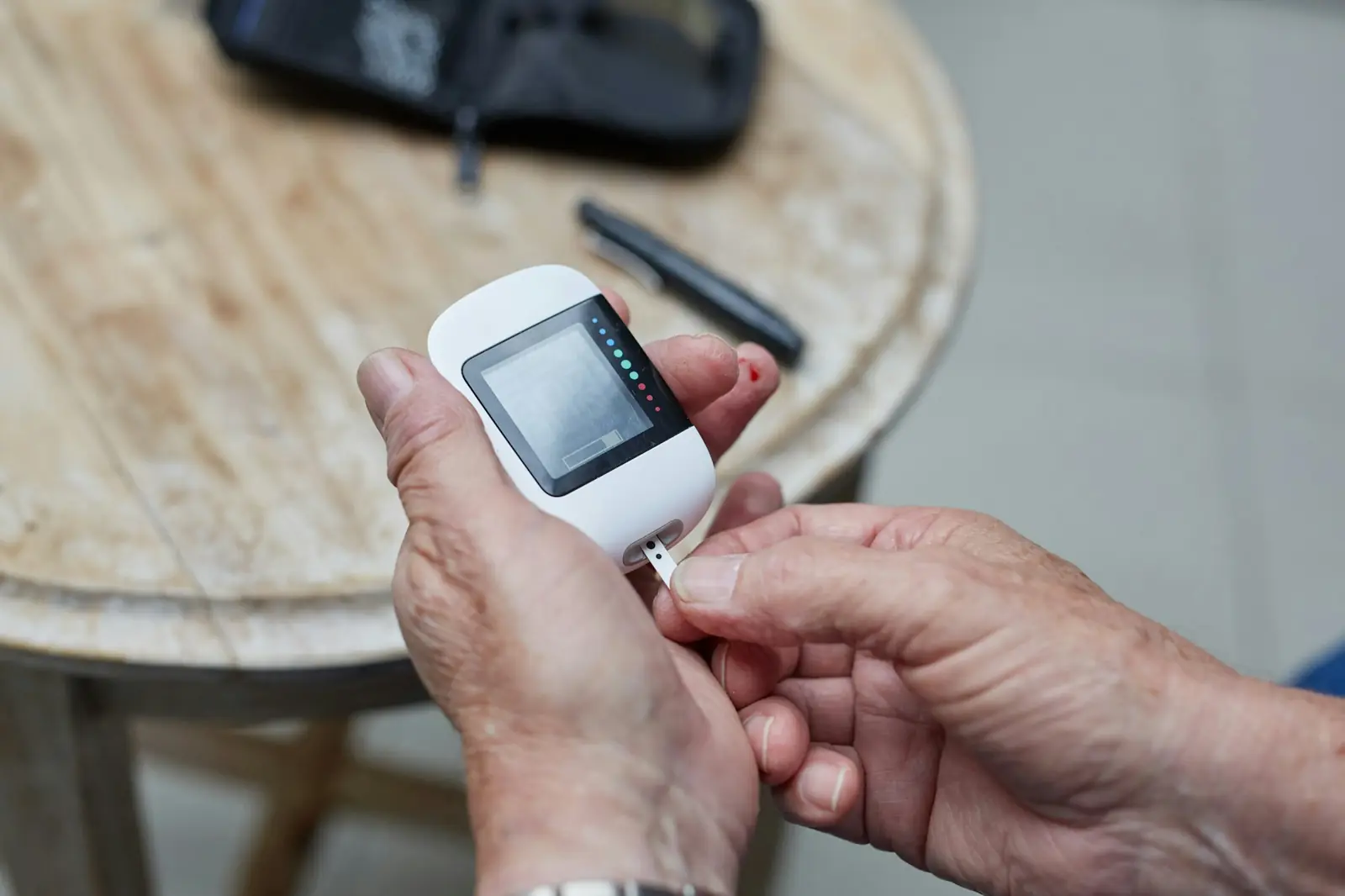
Diabetic foot ulcers benefit from quick, consistent attention. Diabetes can slow healing and reduce feeling in the feet, so a small sore may grow before it is noticed. Treating the wound in the same practice that manages your diabetes means your providers can adjust your care as a whole. If a wound is slow to improve, your team can look at your blood sugar and medications during the same visit.
Daily foot checks at home are one of the best habits for people with diabetes. Look at the tops and bottoms of your feet and between your toes. A mirror or a family member can help.
What to expect at a wound care visit
At your first visit, your provider will ask how and when the wound started, what treatments you have tried, and about your overall health. The wound will be measured and examined. Your provider will then explain the plan, which may include cleaning, debridement, a new dressing, and instructions for care at home.
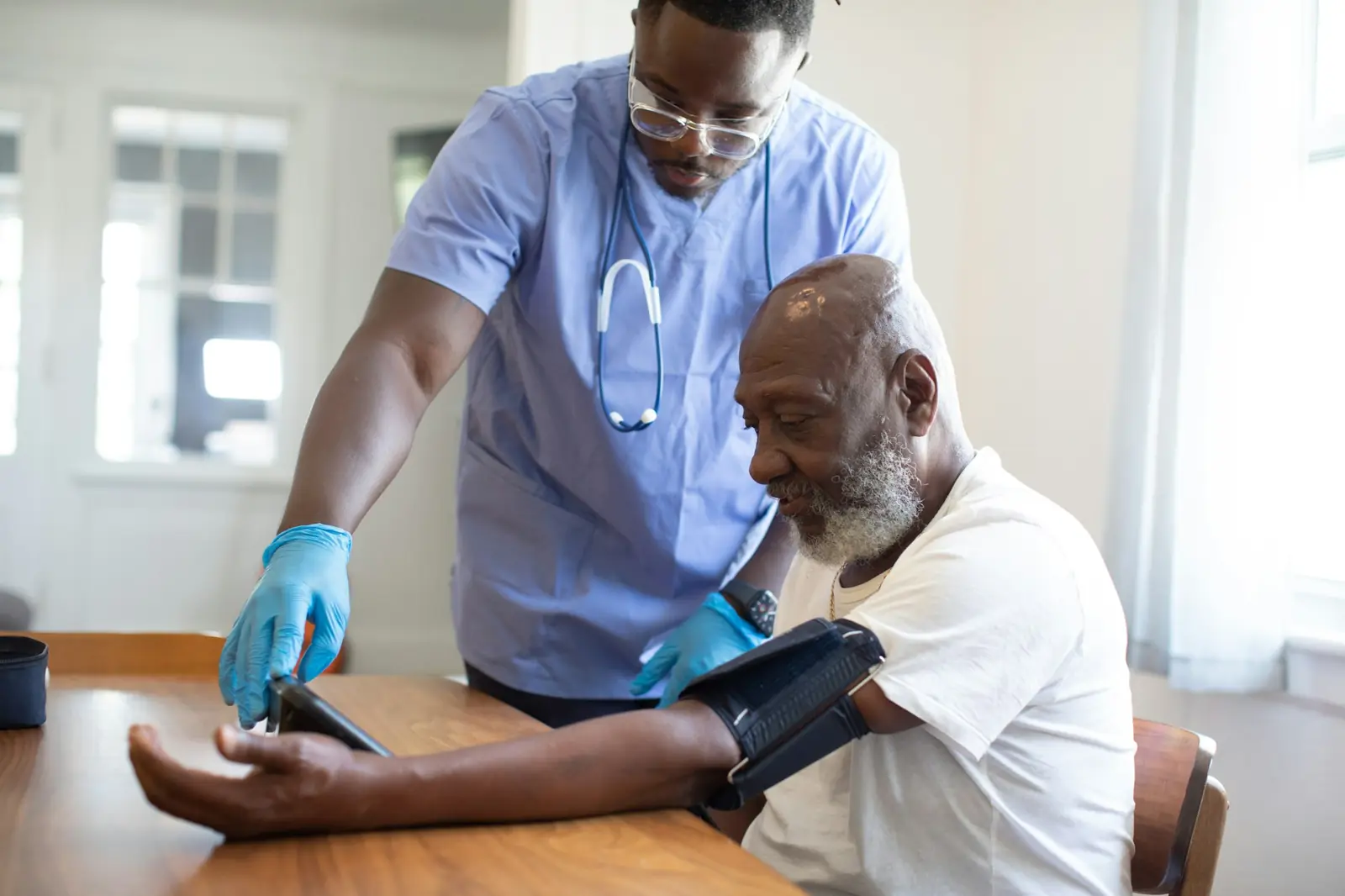
Follow up visits let your provider track progress and change the plan as your wound heals. For patients who receive care at home, our team can also help coordinate with home health services.
Signs a wound needs a closer look
Ask about a wound care evaluation if a wound:
- Has not improved in two to four weeks
- Is on the foot of someone with diabetes
- Keeps reopening or is getting larger
- Has more drainage, redness, warmth, or swelling than before
Seek urgent care if a wound shows spreading redness, red streaks, pus, a bad smell, or new pain, or if you have a fever or chills. Call 911 for severe bleeding that won't stop.
How to get started
If you have a wound that has not improved in two to four weeks, ask your provider about a wound care evaluation at your next visit. You can also call our Hudson office directly at (727) 605-3000 to schedule one. Patients of our Trinity office can call (727) 997-1635 for help arranging a visit in Hudson. New patients age 18 and older are welcome. Appointment availability is determined by the office.
This article is general health information from the Internal Medicine MD care team and is not a substitute for advice from your own provider.
 Diabetes Management
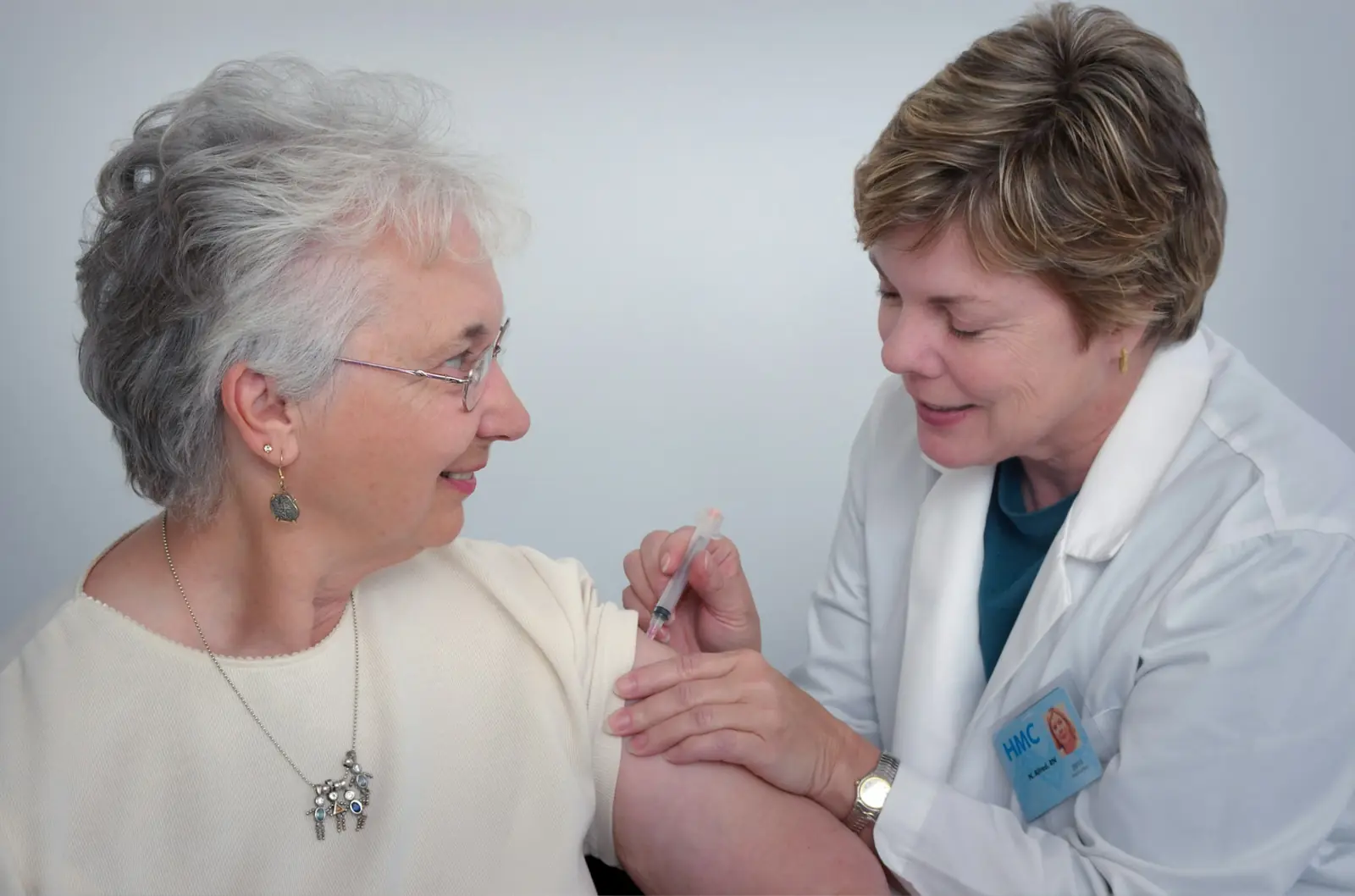 Primary and Preventive Care
 Home Health Coordination