
Advanced wound care in Hudson and Trinity, FL
Careful assessment, dressing plans, and steady follow up for wounds that need extra help to heal, from diabetic ulcers to grafting.
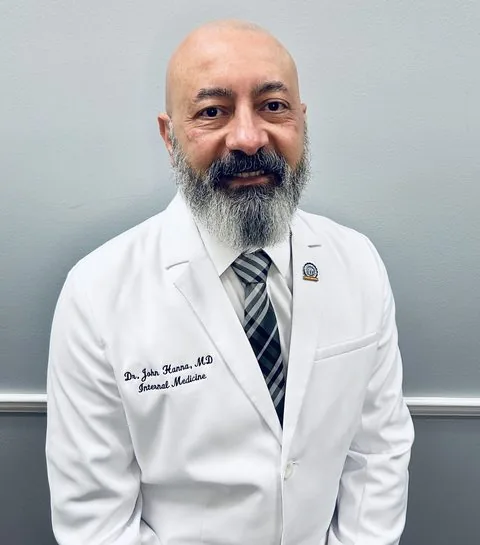 Medically reviewed by Dr. John Hanna, MDBoard certified internal medicine · September 29, 2026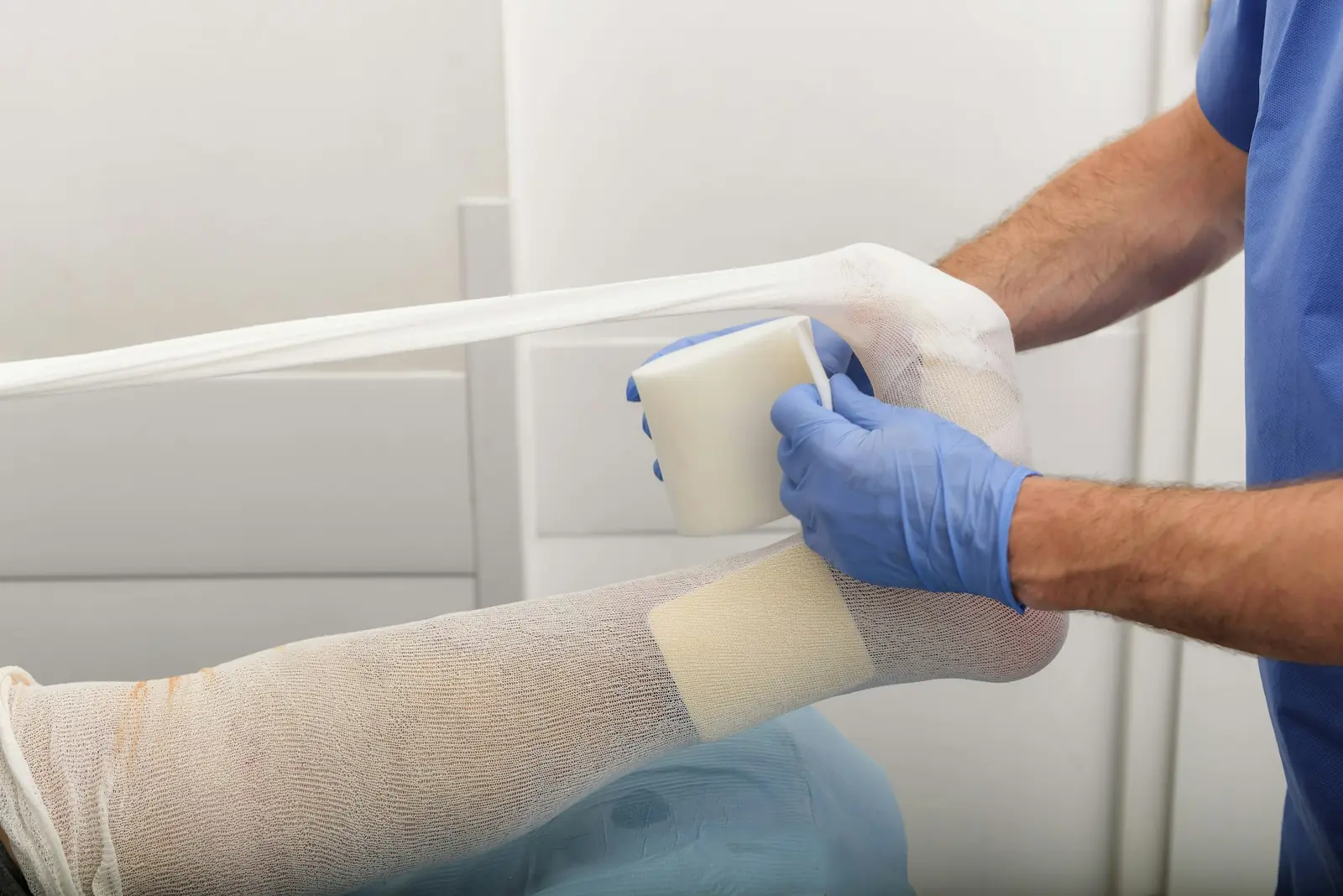
Advanced wound care is outpatient treatment for wounds that are slow to heal, at risk for infection, or linked to diabetes, circulation, or pressure. Dr. John Hanna is advanced wound care certified, and care includes wound assessment and staging, cleaning, debridement, dressing selection, grafting when appropriate, and regular visits to track healing.
Ready to schedule? New patients age 18 and older are welcome.
Advanced wound care is medical treatment for wounds that are slow to close, at risk for infection, or made harder to heal by diabetes, circulation problems, swelling, pressure, or limited mobility. Adults can receive this care at our Hudson and Trinity offices. Dr. John Hanna is board certified in internal medicine and advanced wound care certified, so wound treatment connects directly with the rest of your health care. Care covers a wide range of wounds, from diabetic ulcers to grafting when appropriate.
What advanced wound care includes
Care begins with a close look at the wound itself. Your provider notes the wound type, size, depth, drainage, the condition of the surrounding skin, pain, and any signs of infection. From there, a treatment plan is built around how the wound is behaving and what your body needs to heal.
- Wound assessment, measurement, and staging
- Cleaning of the wound and surrounding skin
- Debridement to remove dead or unhealthy tissue when appropriate
- Dressing selection matched to the wound and its drainage
- Grafting when appropriate
- Checks for infection, pressure, swelling, and circulation concerns
- Clear home care instructions and a follow up schedule
Healing also depends on the conditions around the wound. Blood sugar, circulation, swelling, nutrition, smoking, and repeated pressure all play a part. Because our providers share one chart, wound care can connect with diabetes management, chronic disease care, and lab work. Some wounds benefit from vascular, surgical, podiatry, or infectious disease care, and your provider coordinates those referrals when they are the right next step.
What to expect at your visit
At the first visit, the team asks when the wound started, how it happened, what treatment you have tried, and how it has changed. Please bring a list of your medications, any allergy information, recent hospital or specialist instructions, and the wound supplies you currently use. Let the team know about fever, drainage, odor, increasing pain, numbness, or color changes.
Wound care usually involves a series of visits, since progress is measured over time. Measurements and photographs may be used to compare one visit with the next. Dressing needs often change as new tissue forms, so your plan is adjusted as the wound improves.
Before you leave, you will know how often to change the dressing, which products to use, whether the area can get wet, and which changes call for a phone call to the office. Avoid peroxide, alcohol, powders, or other products on the wound unless your provider recommends them.
If you have trouble getting to the office, ask about home health coordination so a nurse can help with dressing changes between visits.
Have questions about your care? New patients age 18 and older are welcome.
Who this care is for
Advanced wound care is for adults 18 and older with wounds that need medical follow up, including:
- Diabetic foot and leg ulcers
- Pressure injuries
- Skin tears and slow healing cuts
- Venous and other leg ulcers
- Surgical wounds that need monitoring
It is especially helpful for people with diabetes, reduced feeling in the feet, poor circulation, swelling, limited mobility, or a history of slow healing. Patients who had a cut closed recently can also be seen for suture and staple removal and a healing check.
Wound appointments are available at both the Hudson office and the Trinity office. Call ahead so the team can confirm that office care is the right fit for your wound.
Insurance and coverage
Medically necessary wound evaluation and treatment are commonly covered by Medicare and many commercial plans. Coverage for supplies, procedures, and home health services varies by plan. Please call the office to verify your plan and benefits before your visit.
Call 911 or go to the nearest emergency room for heavy bleeding that will not stop, a wound from a major injury, exposed deep tissue, redness that is spreading quickly, or fever with severe illness.
Frequently asked questions
When should a wound be checked by a doctor?
Have a wound checked when it is deep, getting worse, slow to heal, more painful, draining, or surrounded by redness. People with diabetes or poor circulation should call sooner.
How often are wound care visits needed?
Visit frequency depends on the wound, the dressing, and how quickly it is healing. Many wounds need closer follow up early on, and your provider spaces out visits as healing progresses.
Can I shower with a wound dressing?
That depends on the wound and the dressing. Keep it dry unless your provider tells you it can get wet, and ask for specific bathing instructions at your visit.
What are signs of a wound infection?
Possible signs include spreading redness, warmth, swelling, more pain, pus, odor, fever, or red streaks moving away from the wound. Call the office promptly if you notice any of these.
Do you treat diabetic foot wounds?
Yes, our providers evaluate and treat diabetic foot wounds and coordinate related diabetes care. Deep, infected, or rapidly worsening foot wounds may need urgent specialty or hospital care.
Related care
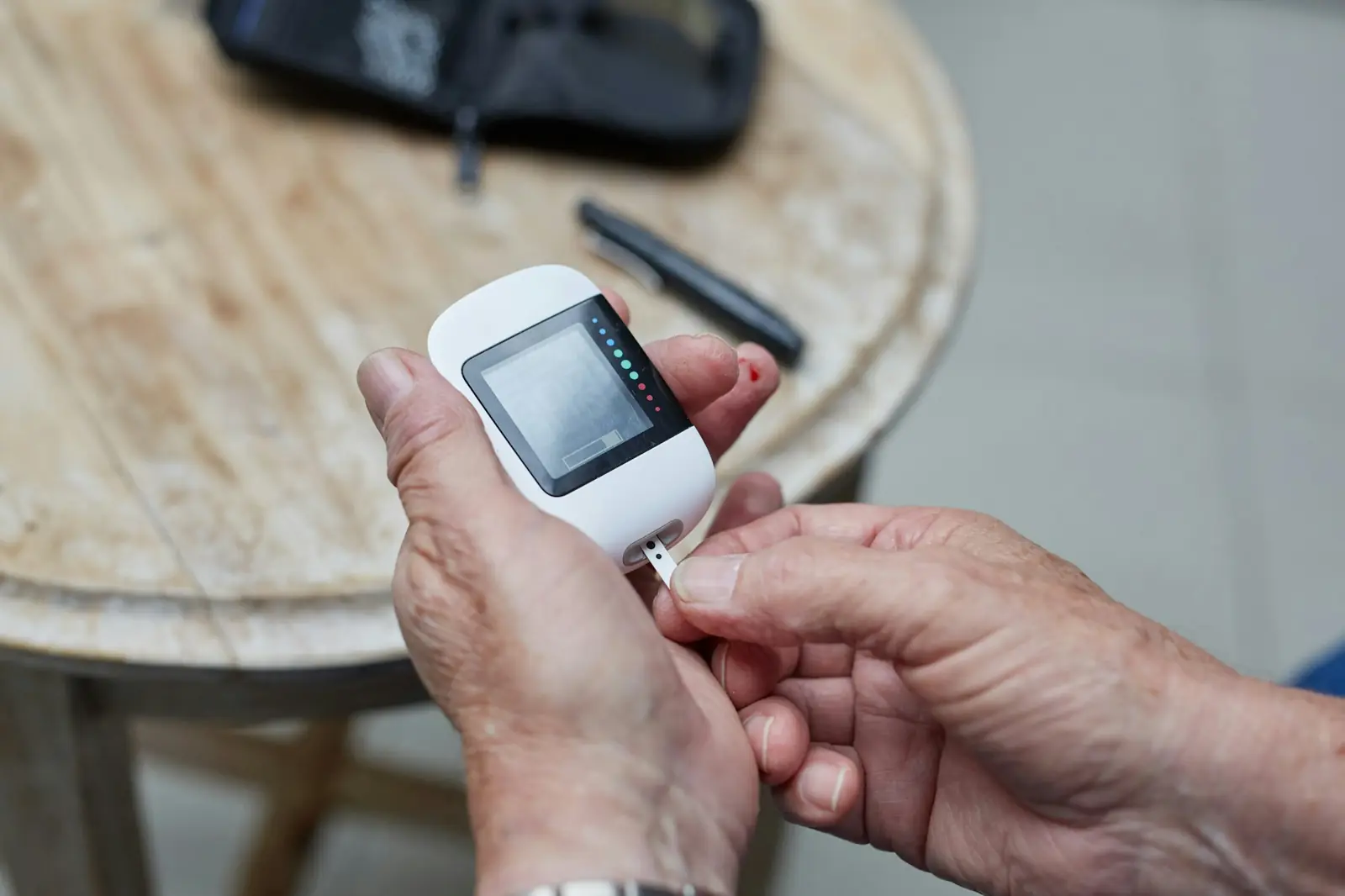 Diabetes ManagementCoordinated diabetes care with testing, medication management, complication screening, and practical guidance for daily life.
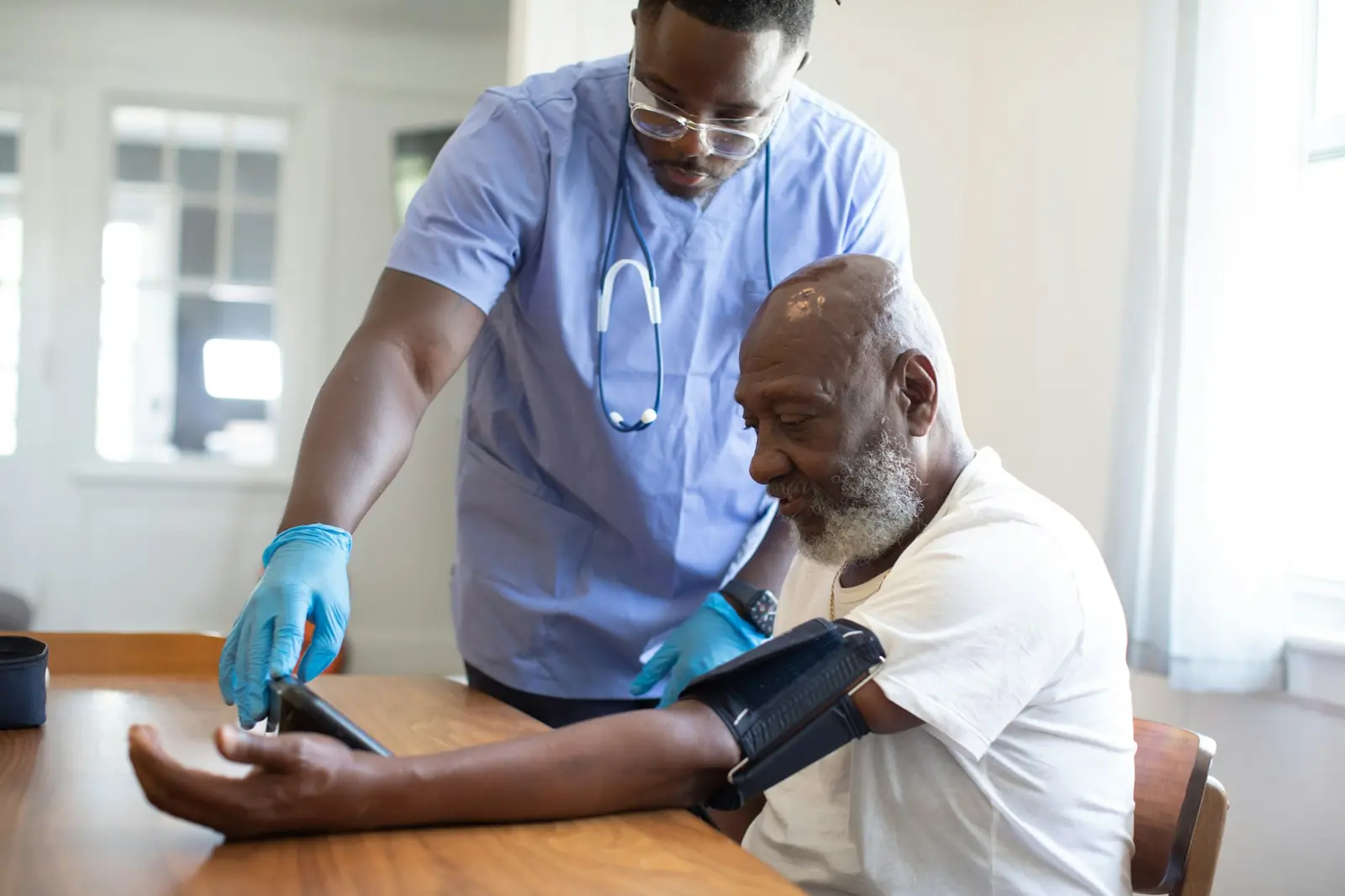 Home Health CoordinationWe partner with home health agencies to plan and oversee medical care at home, keeping treatment consistent and families informed.
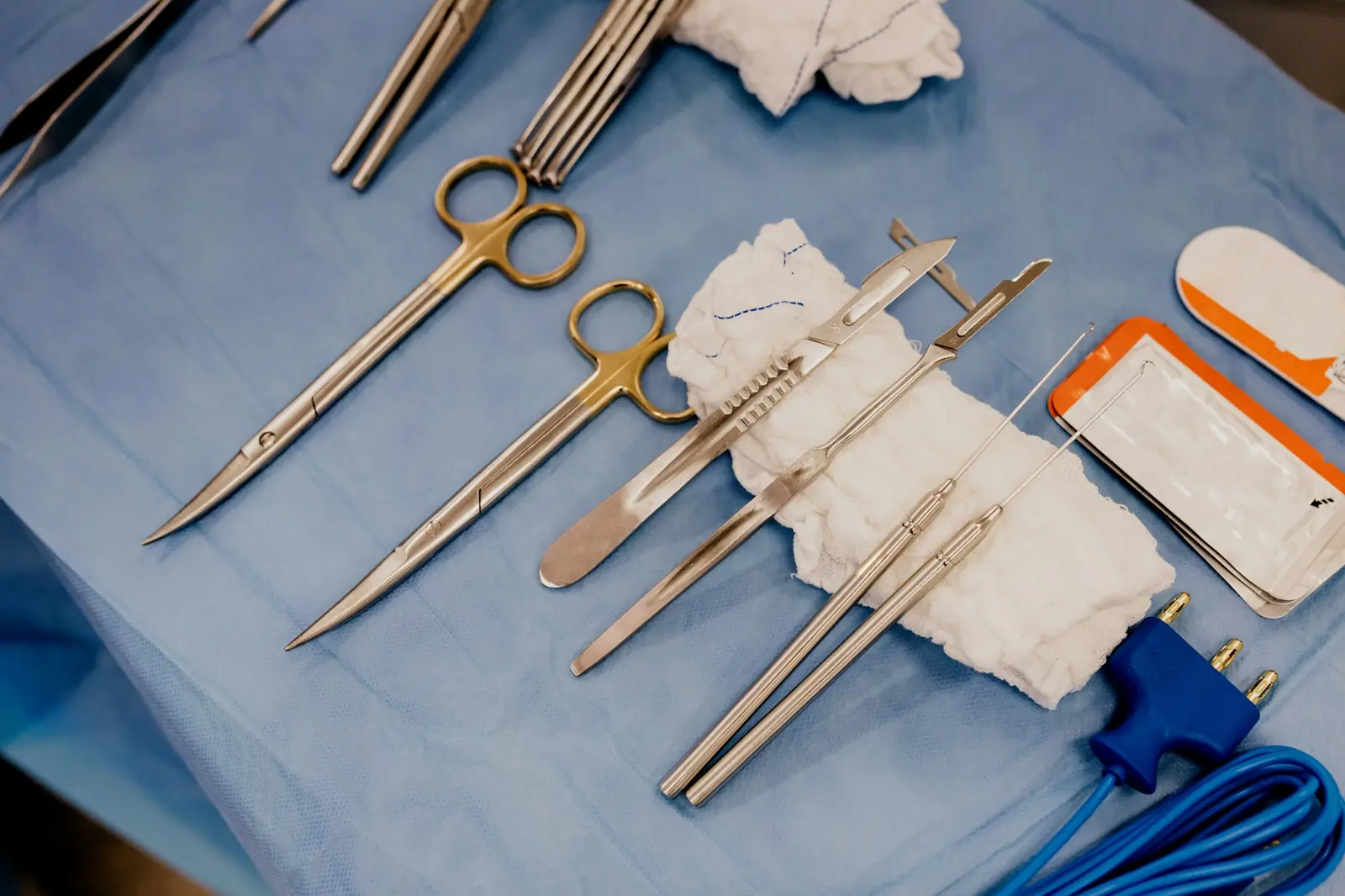 Sutures and StaplesIn office closure of minor cuts plus removal of stitches and staples placed elsewhere, with a healing check at every step.
 Shave and Punch BiopsiesQuick, precise in office skin biopsies that give clear answers about a spot, mole, or rash, with results reviewed with you.