
Diabetes management in Hudson and Trinity, FL
Coordinated diabetes care with testing, medication management, complication screening, and practical guidance for daily life.
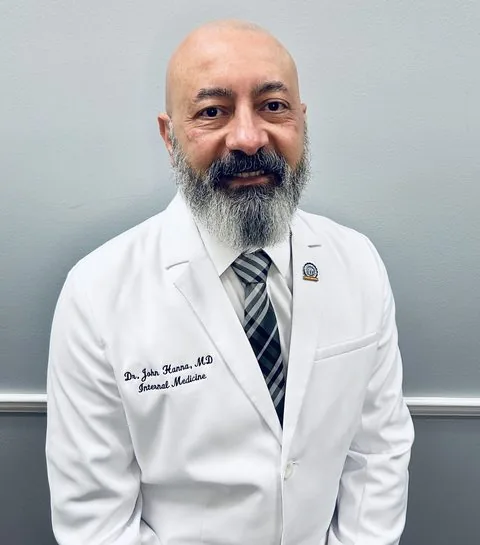 Medically reviewed by Dr. John Hanna, MDBoard certified internal medicine · September 29, 2026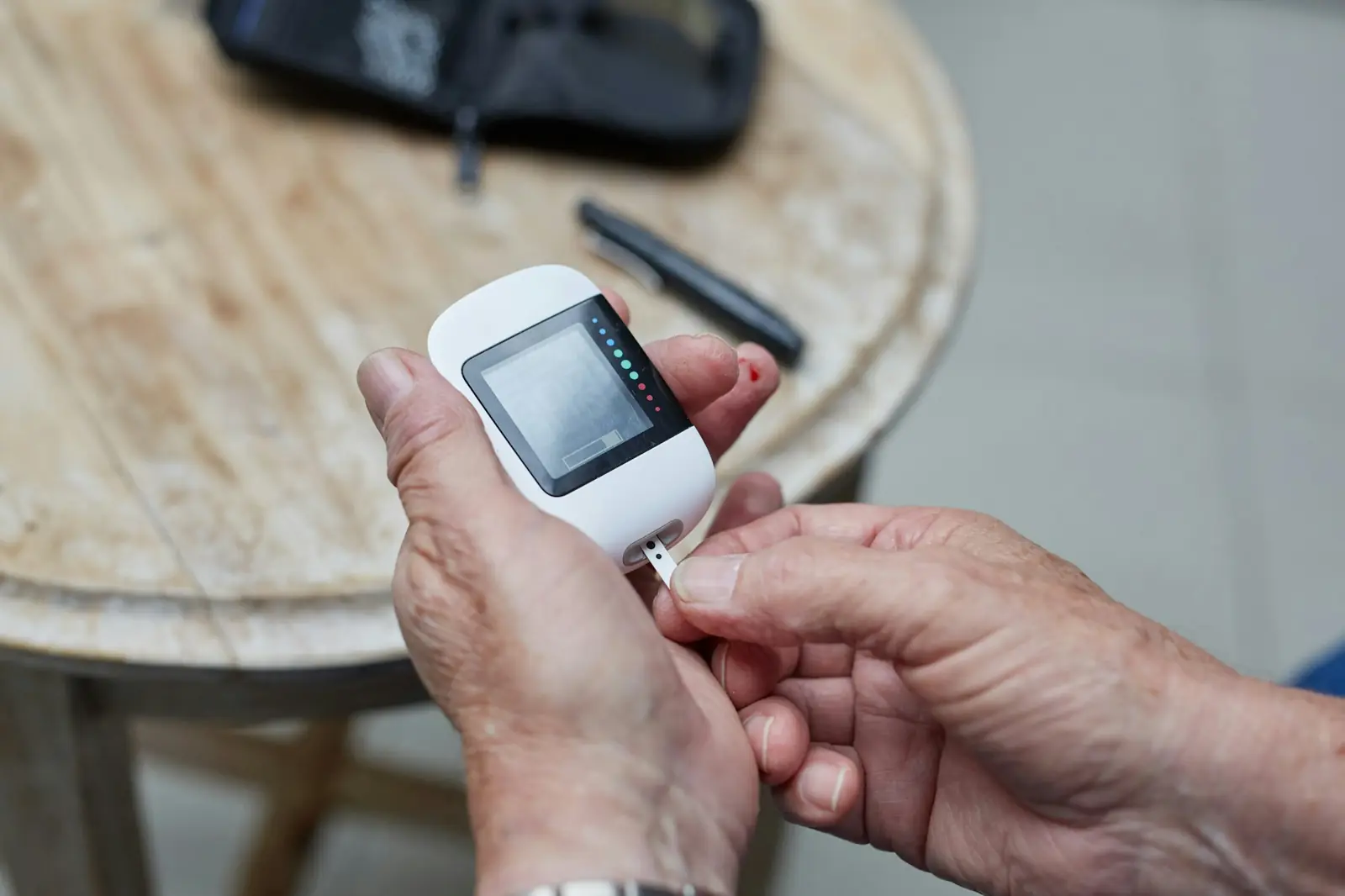
Diabetes management is ongoing care that helps adults with type 2 diabetes or prediabetes keep blood sugar in a healthy range while protecting the heart, kidneys, eyes, nerves, and feet. It includes A1C testing, glucose review, medication and insulin management, complication screening, and practical nutrition and activity guidance.
Ready to schedule? New patients age 18 and older are welcome.
Diabetes management helps you keep blood sugar in a healthy range while protecting your heart, kidneys, eyes, nerves, and feet. Internal Medicine MD provides coordinated diabetes care at our Hudson and Trinity offices for adults with type 2 diabetes, prediabetes, or a new diagnosis. Your plan is built around your health, your preferences, and your daily routine.
What diabetes management includes
Care includes A1C testing, review of home glucose readings, medication management, nutrition and activity guidance, and screening for complications. Your plan may involve oral medication, injectable medication, insulin, or focused lifestyle changes. Treatment is based on your overall health, your risks, and how you respond over time, with each number viewed in context.
- A1C and glucose trend review
- Medication effectiveness, safety, and refill planning
- Blood pressure, cholesterol, kidney, eye, and foot risk review
- Realistic goals for meals, movement, sleep, and monitoring
- A written follow up plan with clear warning signs
Diabetes often overlaps with high blood pressure, high cholesterol, kidney disease, and heart disease. The team can connect your diabetes plan with high blood pressure care, kidney disease care, and medical weight management. In office blood draws make many routine tests more convenient, and results can be reviewed with you at a follow up visit.
What to expect at your visit
At your first diabetes visit, the team reviews your diagnosis, recent lab results, glucose records, medications, eating patterns, activity, and any symptoms of high or low blood sugar. Bring your meter or continuous glucose monitor report if you use one. Also bring every medication and supplement you take, or a complete current list.
Your provider also considers blood pressure, kidney function, cholesterol, medication effects, and symptoms when adjusting treatment. The team can coordinate eye exams, specialist referrals, and other testing when needed. Foot checks are part of routine care, since good foot care supports healthy skin and circulation.
Follow up frequency depends on how stable your readings are and whether treatment is changing. Visits may be closer together after diagnosis or a medication adjustment. Once control is steady, appointments may be spaced farther apart. Some follow up visits can take place by telehealth.
Each visit also checks that the plan is realistic. If cost, work schedules, appetite, mobility, or side effects make treatment hard to follow, tell your provider. The best plan is one you can follow consistently. Bring questions about meals, travel, sick days, and exercise so the instructions fit situations you actually face. Talk with your provider before skipping or stopping any dose.
You can schedule diabetes visits in Trinity or at our Hudson office.
Have questions about your care? New patients age 18 and older are welcome.
Who this care is for
This service is for adults with type 2 diabetes, prediabetes, or elevated blood sugar that needs evaluation. It also supports patients who are newly diagnosed, having medication side effects, working toward target ranges, or looking for ways to fit treatment into daily life. Care is available in English, Spanish, and Arabic at both offices.
Insurance and coverage
Diabetes visits and medically necessary testing are commonly covered by Medicare and many commercial plans. Coverage for medications, glucose meters, continuous monitors, supplies, and nutrition services varies. Call before your visit to verify plan participation and benefits.
Seek urgent care for confusion, fainting, severe weakness, breathing trouble, persistent vomiting, or very high or very low readings with serious symptoms. Call 911 when symptoms are severe.
Frequently asked questions
What should I bring to a diabetes appointment?
Bring your medication list, glucose meter or monitor report, recent readings, insurance card, and any lab results from outside facilities. A short food and symptom record can also help.
How often should my A1C be checked?
The schedule depends on your treatment and control. Testing is often more frequent when medication changes or goals are still being reached. Your provider sets the interval for your situation.
Can prediabetes improve?
Yes. Weight management, activity, nutrition changes, and sometimes medication can lower risk and improve blood sugar. Your plan should match your medical history and realistic daily routine.
Do you manage insulin?
The practice can review and manage insulin for appropriate adult patients. Some complex cases may also need endocrinology support, which the team can help coordinate.
Can diabetes affect my kidneys?
Yes, over time diabetes can affect kidney function. Regular blood and urine tests help your provider spot changes early and adjust treatment to protect your kidneys.
Related care
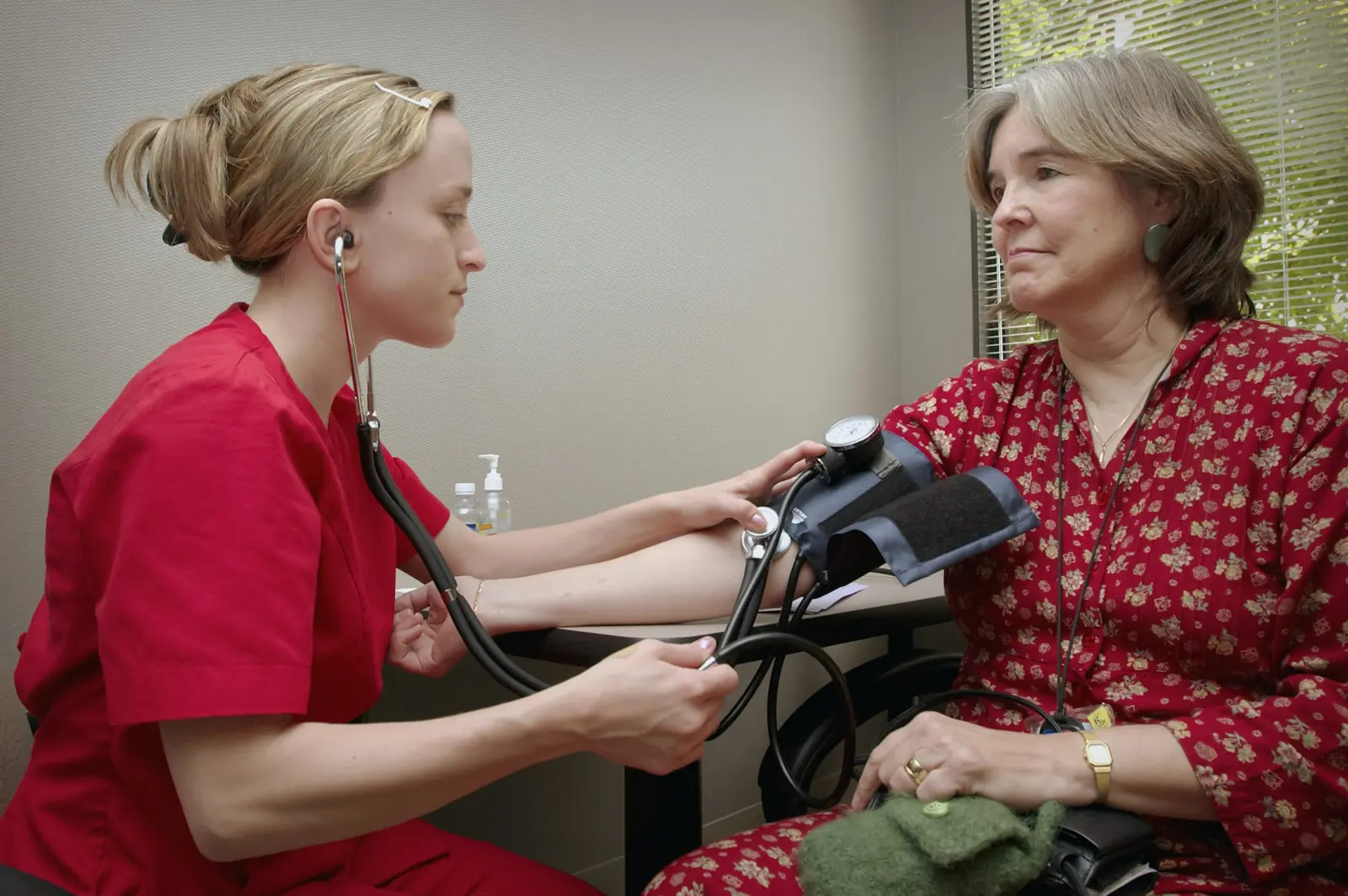 Hypertension ControlAccurate measurement, home monitoring guidance, and medication management to keep blood pressure in a healthy range.
 Chronic Kidney Disease CareRegular monitoring and coordinated care to help protect kidney function over time.
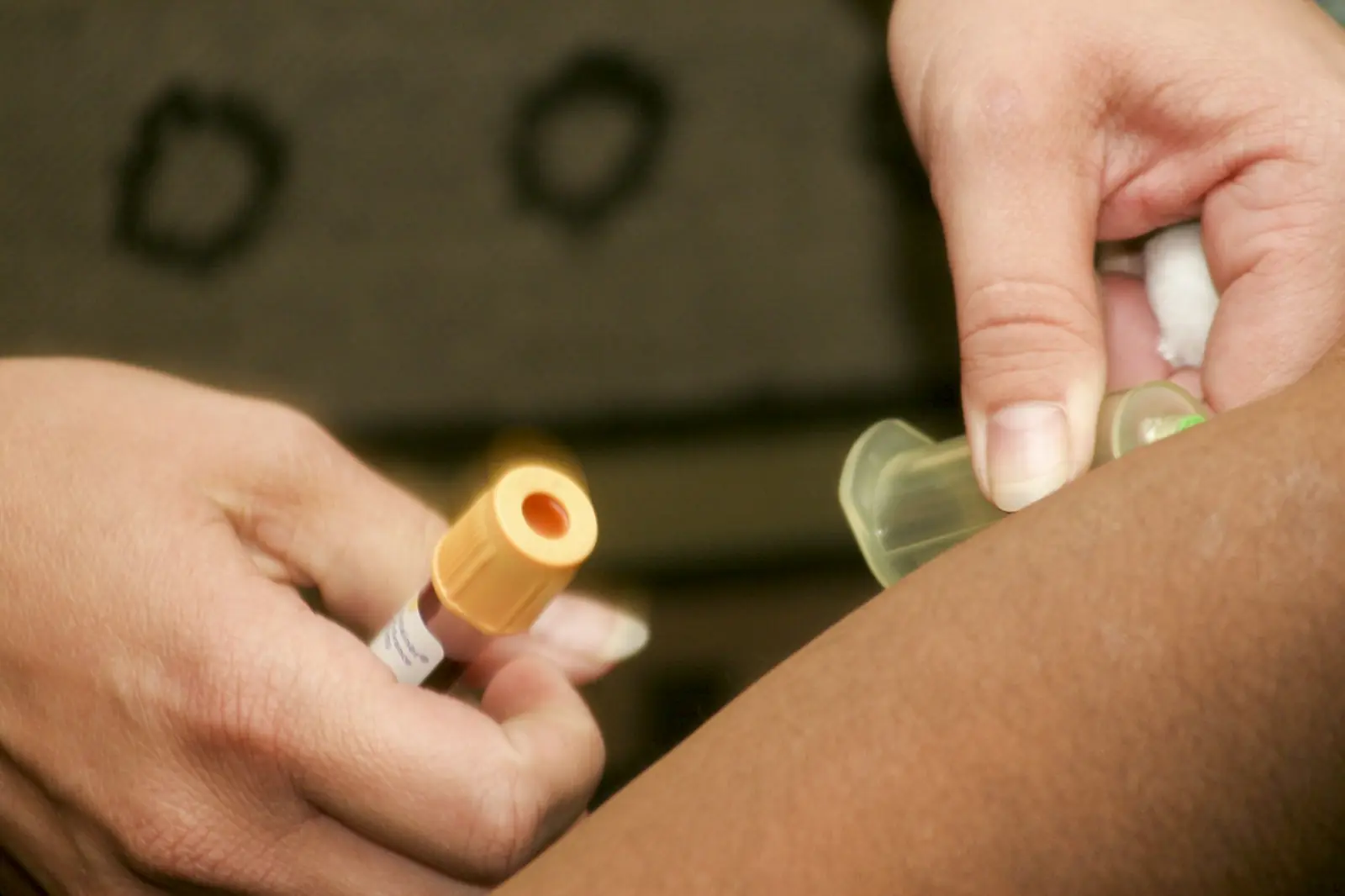 In Office Blood Draws and Lab WorkConvenient blood draws during your visit, with results sent to your provider and available in your patient portal.
 Medical Weight ManagementA medically guided weight plan built around your health, your routine, and your goals, at our Trinity and Hudson offices.