
Home health coordination in Hudson and Trinity, FL
We partner with home health agencies to plan and oversee medical care at home, keeping treatment consistent and families informed.

- Dr. John Hanna, MDInternal medicine physician · Trinity and Hudson
- Miranda McWhirter, APRN, AGACNP-BCAdult gerontology acute care nurse practitioner · Hudson
- Amanda Durrett, APRN, FNP-BCFamily nurse practitioner · Trinity
Your provider is matched to your needs and the office you choose.
Home health coordination means your provider works with a home health agency to plan and oversee skilled care in your home, such as nursing visits, therapy, and wound care. It is for adults who have trouble leaving home or are recovering from a hospital stay. Your provider signs orders, reviews progress, manages medications, and keeps families informed.
Home health coordination is how your provider team plans and oversees medical care that takes place in your home. We partner with home health agencies to bring services such as skilled nursing and therapy to patients of our Hudson and Trinity offices who have trouble getting out or who are recovering after a hospital stay. Your provider stays in charge of the medical plan, so care at home stays consistent with the rest of your treatment.
What home health coordination includes
Home health agencies send nurses, therapists, and aides to the home. Your provider's role is to decide what care is needed, write the orders, and follow your progress.
- An evaluation of your needs for care at home
- Orders and a care plan shared with your home health agency
- Provider oversight of home based treatment
- Medication review and management
- Orders for medical equipment when needed
- Review of updates and reports from the home health team
- Regular communication with family caregivers
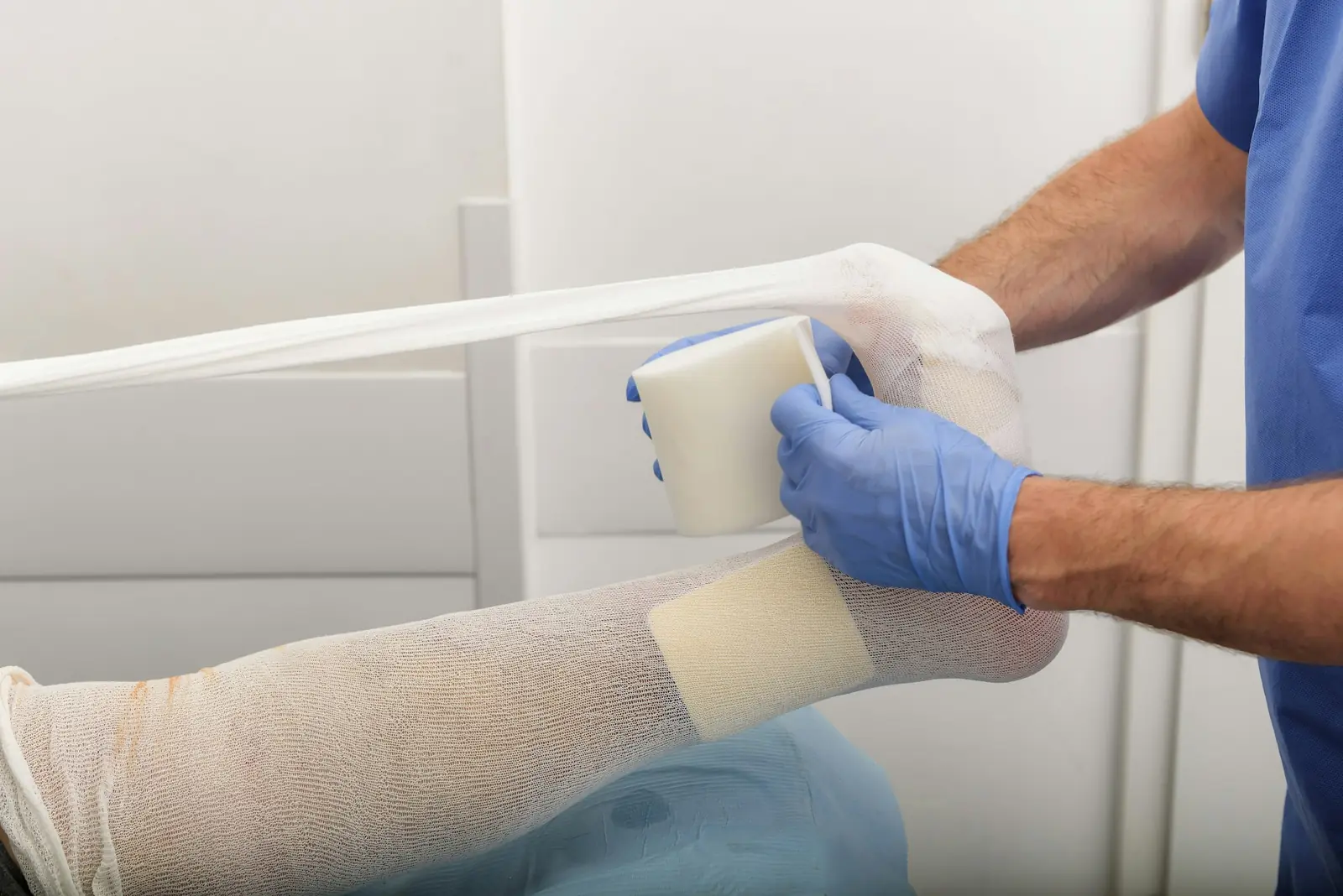
Home health services may include skilled nursing for medication teaching, wound care, and health checks, along with physical, occupational, or speech therapy. Patients with wounds can receive dressing changes at home while their provider team, led by Dr. John Hanna, MD, who has completed wound care certification (WCS-C), tracks healing through advanced wound care.
What to expect at your visit
Getting started. Home health often begins after a hospital stay, an injury, or a change in health that makes leaving home difficult. Your provider meets with you, in person or sometimes through a telehealth visit, to review your health and decide what services may help. Medicare requires a face to face provider visit related to the need for home health, so this step is important.
Choosing an agency. Your provider sends orders to a home health agency. You and your family can share any preferences about which agency you would like to use.
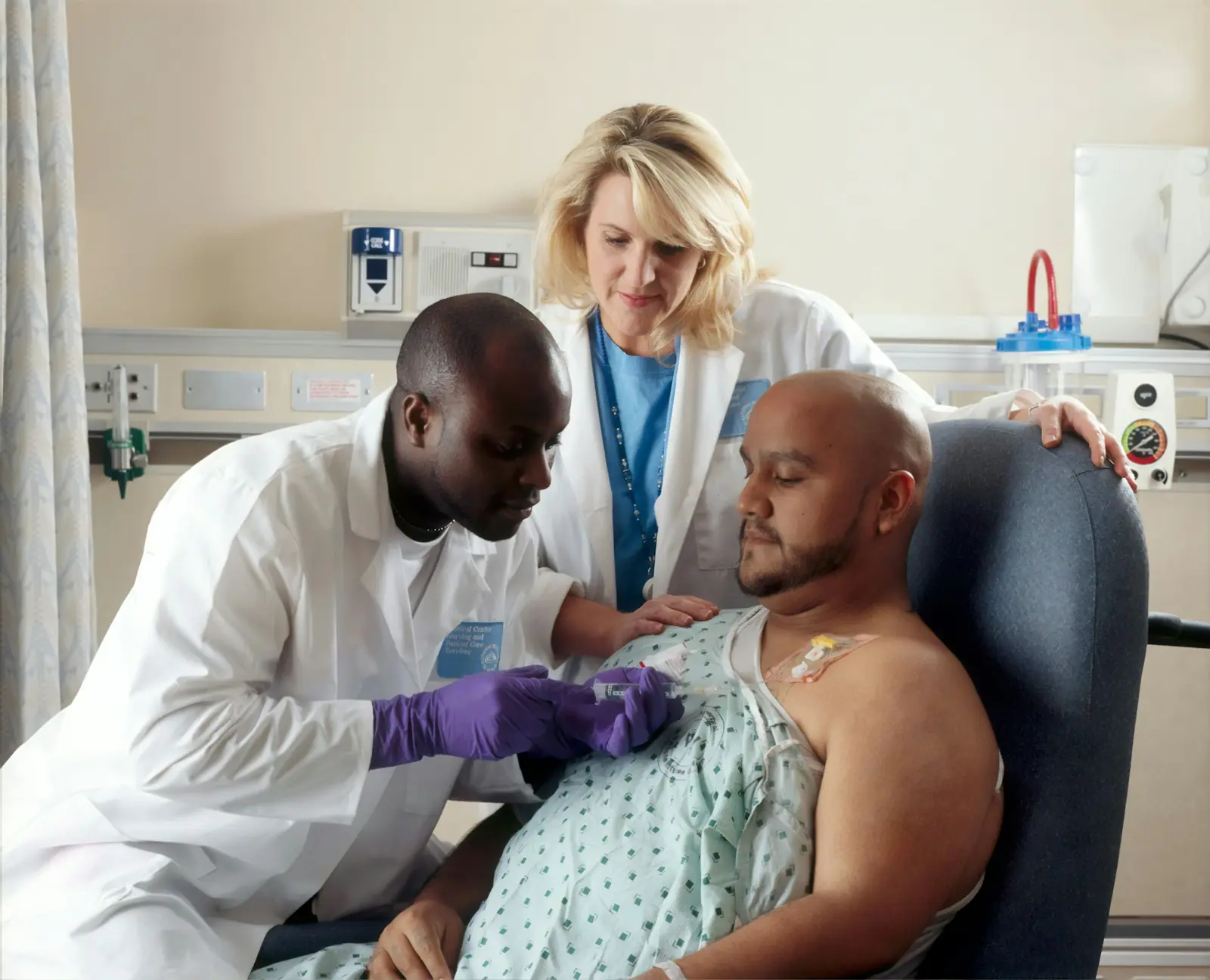
During home health care. The agency schedules visits at your home. Nurses and therapists report back to your provider on how you are doing. Your provider reviews those updates, adjusts medications or orders when needed, and signs off on the care plan.
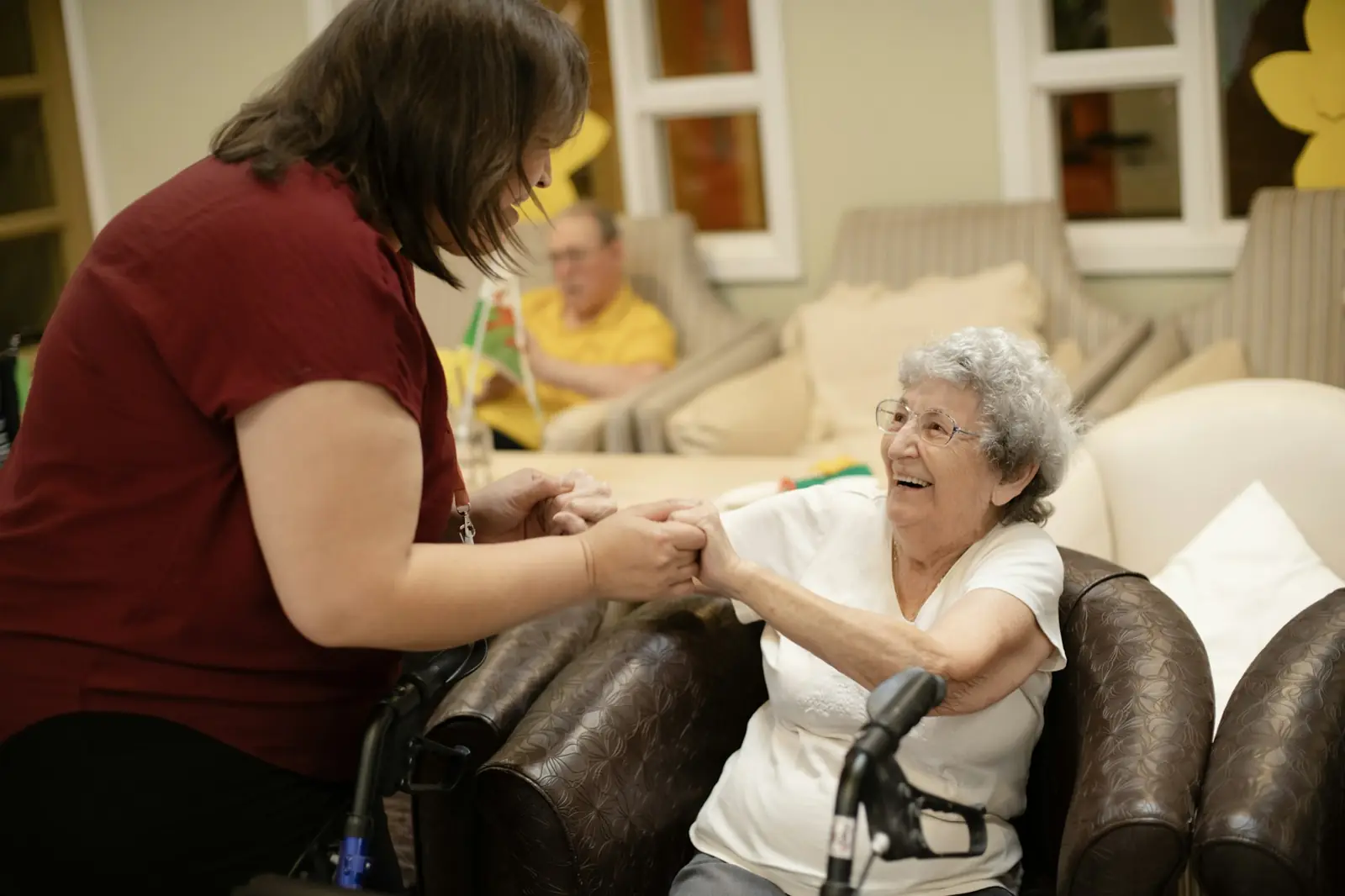
Staying connected. Family caregivers can reach the office with questions and updates. You can also use the patient portal to message the care team, view results, and request refills. Office or telehealth follow up visits help your provider check your progress and plan next steps.
Have questions about your care?
Who this care is for
Home health coordination is for adults 18 and older who:
- Have a hard time leaving home without help or great effort
- Are recovering after a hospital stay or surgery
- Need skilled nursing, therapy, or wound care at home
- Have several ongoing conditions that need close follow up
- Have family caregivers who want support and clear communication
It works well alongside hospital rounding after a hospital stay and Chronic Care Management for eligible Medicare patients with two or more long lasting conditions. If a patient moves to a care community, our providers can continue care through facility visits.
Insurance and coverage
Coverage depends on your plan. Contact the office to verify participation. Home health benefits usually have their own requirements, such as being homebound and needing skilled care, so ask about them when you call.
Call 911 for emergencies at home, such as chest pain, trouble breathing, stroke symptoms like face drooping, arm weakness, or trouble speaking, a serious fall, or severe bleeding.
Frequently asked questions
What is home health care?
Home health care is skilled medical care, such as nursing and therapy, provided in your home by a home health agency. Your provider orders and oversees the care.
Who qualifies for home health care under Medicare?
Medicare generally covers home health for people who are homebound and need skilled care under a provider's plan. Your provider can review whether you may qualify.
Can my primary care provider order home health?
Yes. Your provider can evaluate your needs, send orders to a home health agency, and oversee your care plan.
Can I choose my home health agency?
You can share your preferences with the care team. The team works with you to send orders to an agency that serves your area.
How do families stay informed about home health care?
Family caregivers can call the office with questions, and the care team shares updates on treatment and changes to the plan.
This content is provided for general educational information and is not a substitute for personalized medical advice, diagnosis, or treatment. Medical needs and treatment options vary from person to person. If you have questions about your health or whether a service may be appropriate for you, contact Internal Medicine MD to speak with a member of the care team or schedule an appointment with a qualified medical provider. If you are experiencing a medical emergency, call 911 or seek emergency medical care.
Related care



Book your visit in Hudson or Trinity.
New patients age 18 and older are welcome. Appointment availability is determined by the office.