Shave and punch biopsies in Hudson and Trinity, FL
Quick, precise in office skin biopsies that give clear answers about a spot, mole, or rash, with results reviewed with you.
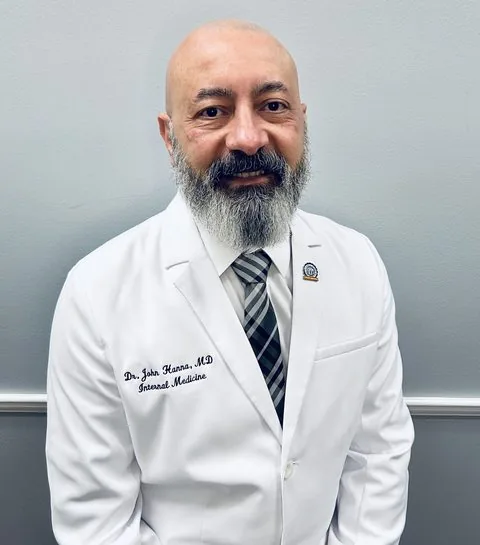 Medically reviewed by Dr. John Hanna, MDBoard certified internal medicine · September 29, 2026
A skin biopsy removes a small sample of skin so it can be examined under a microscope. Shave and punch biopsies are quick in office procedures done with local numbing. They help diagnose moles, changing spots, and persistent rashes. Samples go to pathology, and your provider reviews the results with you and coordinates any next steps.
Ready to schedule? New patients age 18 and older are welcome.
A skin biopsy is a quick procedure that removes a small piece of skin so a lab can study it under a microscope. It is the most reliable way to learn what a spot, mole, or rash is. Adults 18 and older can have shave and punch biopsies done at our Hudson and Trinity offices, with results reviewed by the same team that manages their overall care.
What a skin biopsy includes
Your provider chooses the type of biopsy based on the size, depth, and location of the area being checked.
- Shave biopsy. A thin layer of skin is removed from the surface using a small blade. This works well for raised spots and growths on the top layers of skin. It usually does not need stitches.
- Punch biopsy. A small, round tool removes a deeper core of skin. This is helpful when the lab needs to see deeper layers, such as with some rashes or flat spots. One or two small stitches may be placed afterward.
Both types of biopsy include:
- An exam of the spot and a review of your health history
- Local numbing medicine for comfort
- Sending the sample to pathology for testing
- A review of the results with your provider
- Referral coordination if further care is needed
Biopsies often go hand in hand with other minor skin procedures. If stitches are placed, the team schedules a visit for suture removal and a healing check.
What to expect at your visit
Before the biopsy. Let your provider know about all medications you take, especially blood thinners or aspirin, and any allergies to numbing medicine, tape, or bandages. Do not stop any medication on your own. Your provider will tell you if any change is needed.
During the biopsy. The skin is cleaned and numbed with a small injection. Most people feel a brief pinch from the numbing medicine and then only pressure. The procedure itself is usually short. Any bleeding is controlled, and the site is covered with a bandage.
After the biopsy. You will go home with instructions for keeping the site clean, changing the bandage, and knowing what normal healing looks like. Mild tenderness is common for a few days. A shave biopsy site often heals like a scrape. A punch biopsy site with stitches is kept clean and dry as instructed until the stitches come out.
Getting your results. Pathology results take some time to return from the lab. Your provider reviews them with you and explains what they mean. If the results call for more treatment, the team helps arrange it. You can also view results through the patient portal.
Have questions about your care? New patients age 18 and older are welcome.
Who this care is for
A biopsy may be recommended for adults with:
- A mole that has changed in size, shape, or color
- A new spot that looks different from other spots on the skin
- A sore or spot that has not healed
- A rash that has lasted a long time or has not improved with treatment
- Any skin concern your provider recommends evaluating
Regular skin checks as part of primary care help your provider notice changes early and decide when a biopsy makes sense.
Insurance and coverage
Medically necessary biopsies and pathology testing are commonly covered by Medicare and many commercial plans. Lab charges may be billed separately depending on your plan. Please call the office to verify your benefits.
Seek urgent care if the biopsy site shows spreading redness, warmth, pus, red streaks, fever, or bleeding that continues after steady pressure.
Frequently asked questions
What is the difference between a shave biopsy and a punch biopsy?
A shave biopsy removes a thin layer from the skin surface and usually needs no stitches. A punch biopsy removes a small, deeper core of skin and may need one or two stitches.
Does a skin biopsy hurt?
The area is numbed first, so most people feel only a quick pinch from the injection and then pressure. Mild soreness afterward usually improves within a few days.
How long does it take to get biopsy results?
Results come back from the pathology lab after the sample is processed. Your provider reviews them with you once they arrive and explains any next steps.
Will a skin biopsy leave a scar?
Most biopsies leave a small mark that fades over time. Following your aftercare instructions helps the site heal well.
Does a biopsy mean my provider thinks I have skin cancer?
A biopsy is a way to get clear answers. Many biopsies show harmless findings, and the results help you and your provider make the right plan.
Related care
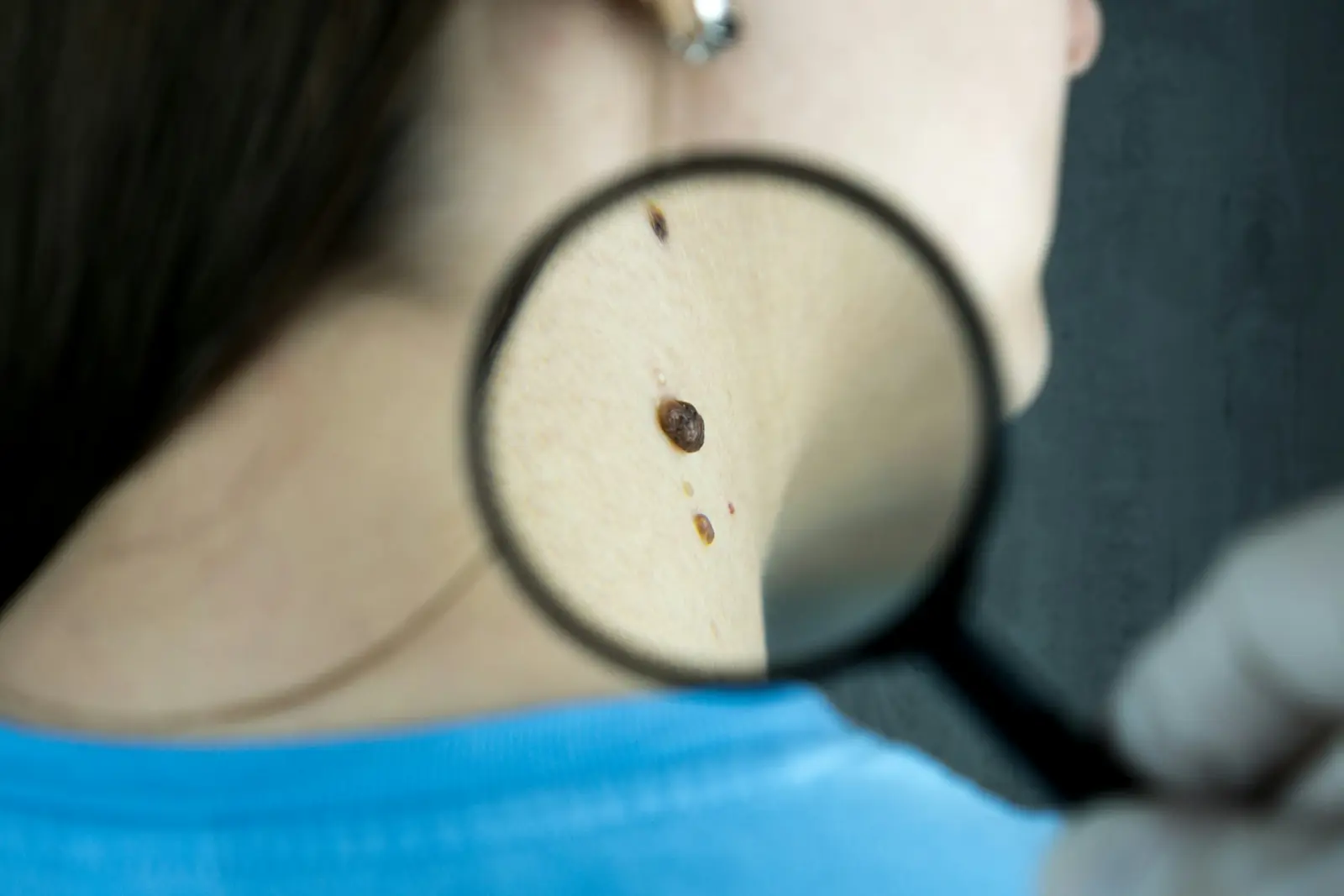 Minor Skin ProceduresIn office evaluation and removal of skin tags, cysts, and other minor skin growths, handled by the providers who already know your health history.
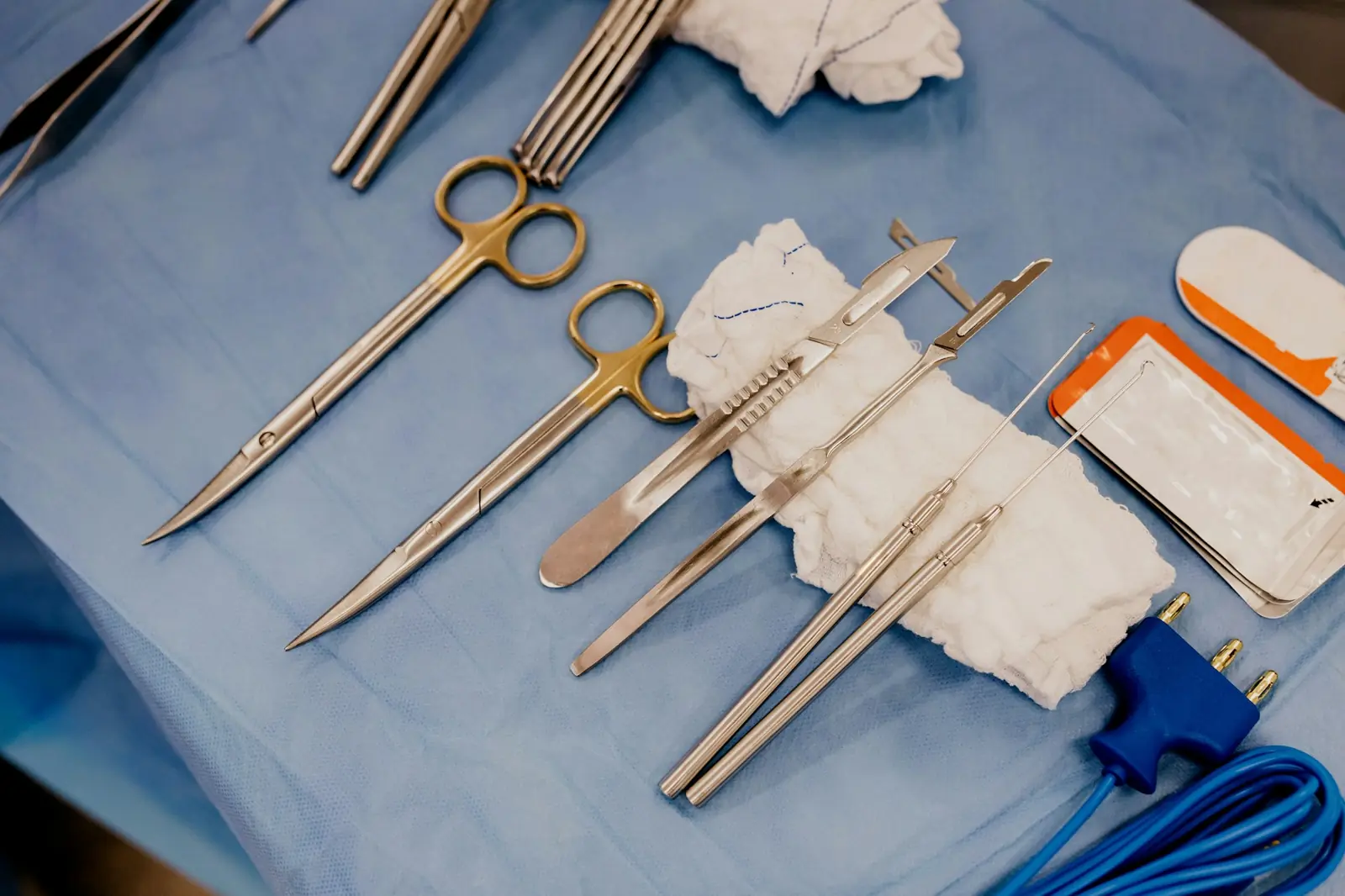 Sutures and StaplesIn office closure of minor cuts plus removal of stitches and staples placed elsewhere, with a healing check at every step.
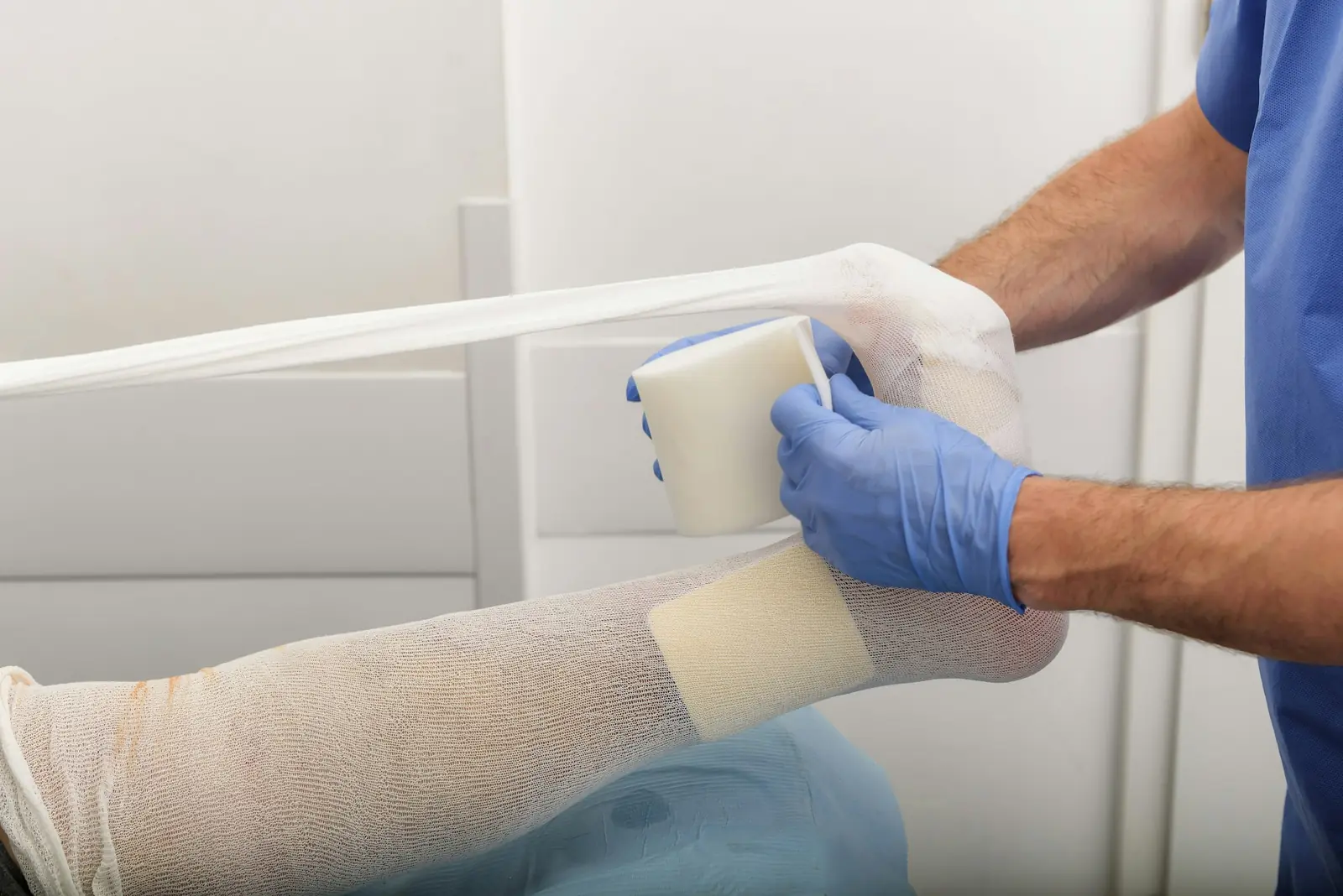 Advanced Wound CareCareful assessment, dressing plans, and steady follow up for wounds that need extra help to heal, from diabetic ulcers to grafting.
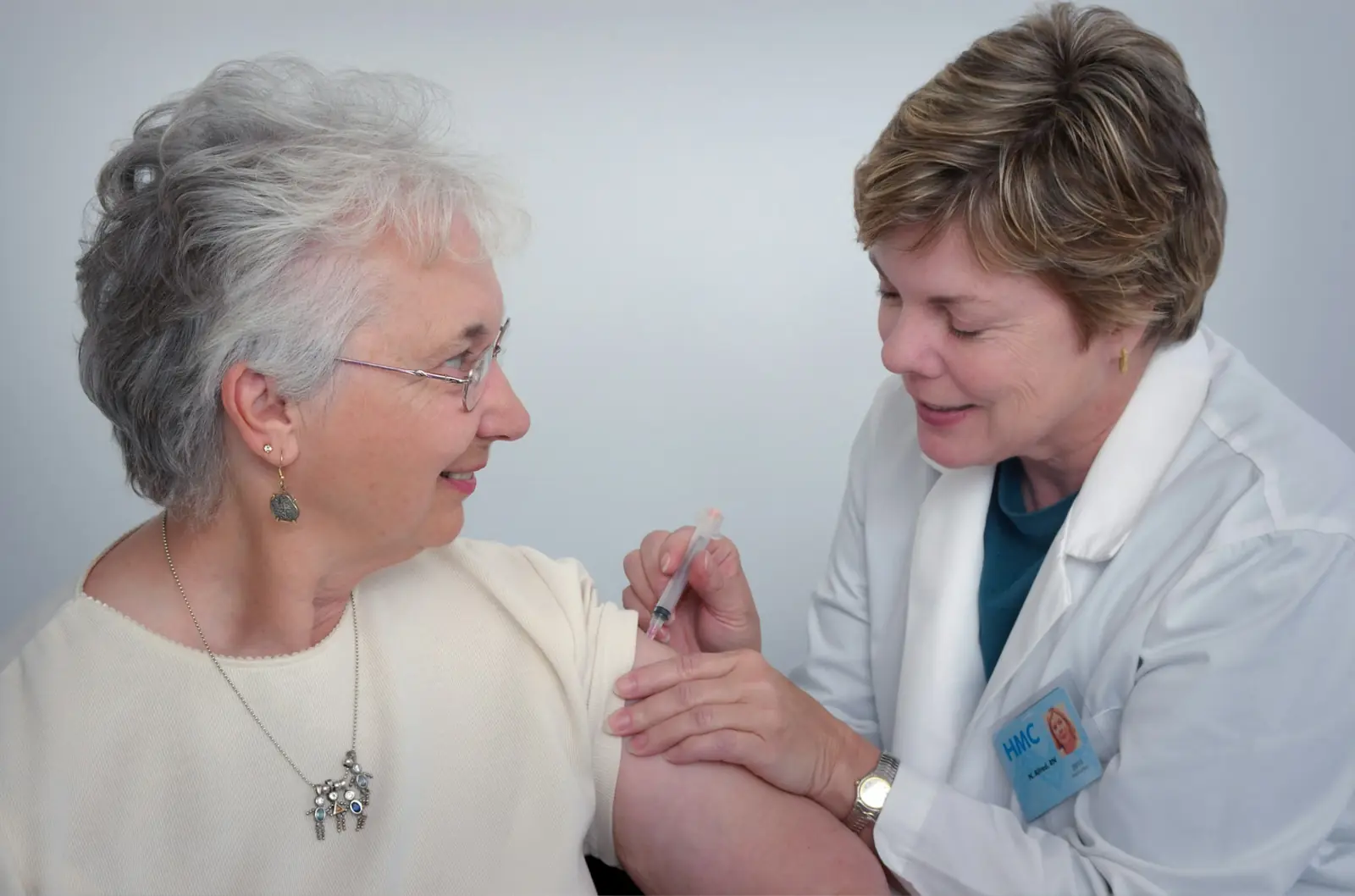 Primary and Preventive CareOne medical home for adults, with preventive visits, ongoing health management, and clear follow through from a team that knows your history.