
Sutures and staples in Hudson and Trinity, FL
In office closure of minor cuts plus removal of stitches and staples placed elsewhere, with a healing check at every step.
 Medically reviewed by Dr. John Hanna, MDBoard certified internal medicine · September 29, 2026
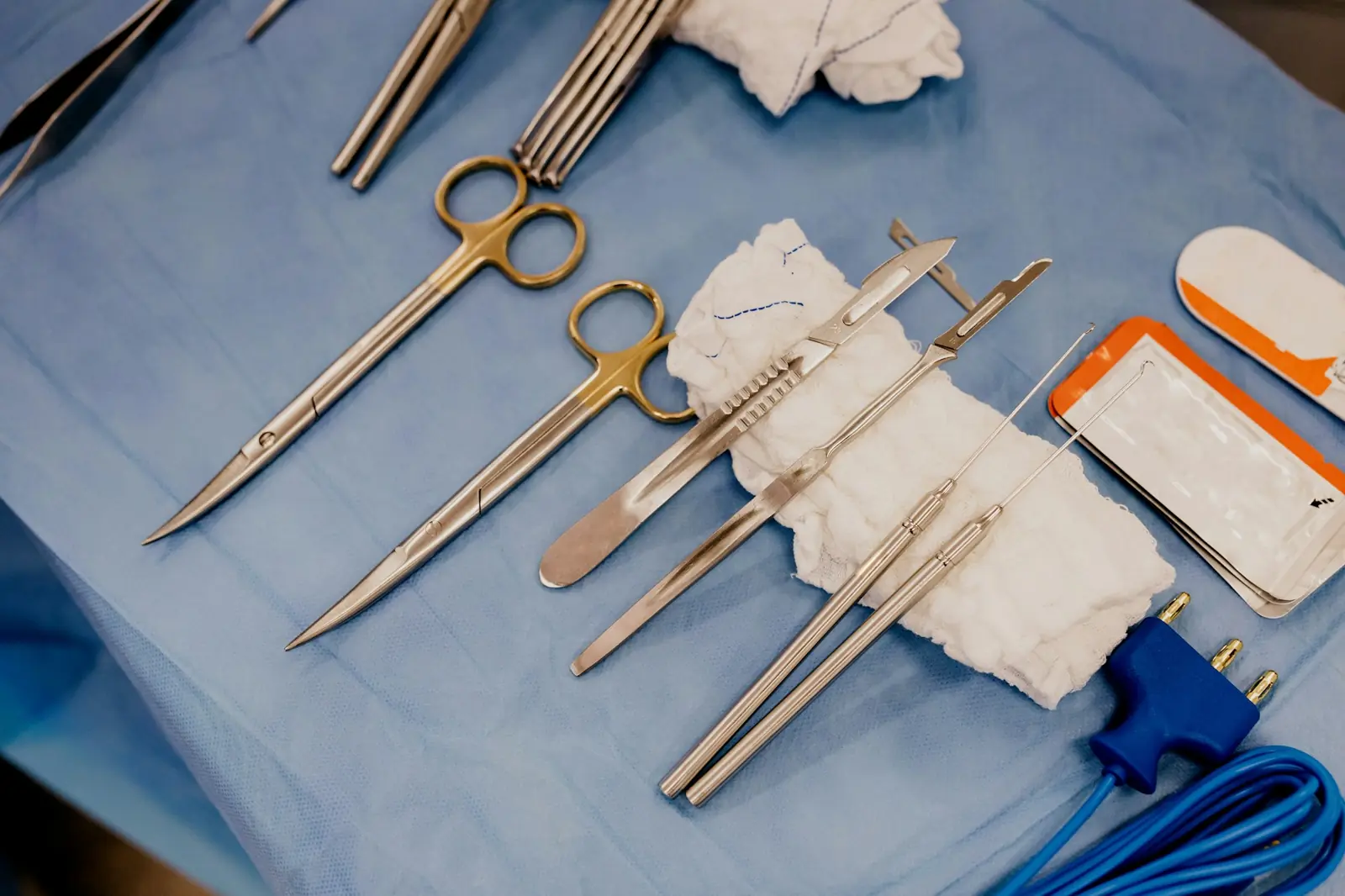
Suture and staple care covers two services: closing minor cuts and lacerations in the office, and removing stitches or staples after they have done their job. Care includes wound cleaning and assessment, numbing before closure, and a scheduled removal visit with a healing check. It is also available for patients whose stitches were placed at an ER, urgent care, or after surgery.
Ready to schedule? New patients age 18 and older are welcome.
Sutures (stitches) and staples hold the edges of a cut together so it can heal cleanly. Adults 18 and older can have minor cuts closed, and stitches or staples removed, at our Hudson and Trinity offices. Removal is also available for stitches or staples placed at an emergency room, urgent care, or after surgery, so you can finish healing with your own care team.
What suture and staple care includes
Placement. Many minor cuts and lacerations can be closed in the office. Your provider checks the wound first to make sure office closure is the right choice.
- Wound cleaning and assessment
- Local numbing before closure
- Closure with sutures or staples, based on the wound and its location
- A bandage and clear aftercare instructions
- A scheduled visit for removal and a healing check
Removal. Stitches and staples are removed once the skin has healed enough to hold together on its own. The timing depends on where the wound is and how it is healing. Face wounds often heal faster, while wounds over joints or on the legs may need more time. Your provider or the discharge instructions from your surgeon or ER will guide the timing.
- A check of the wound for healing and signs of infection
- Gentle removal of stitches or staples
- Skin closure strips when extra support is helpful
- Instructions for caring for the healing skin
If a wound is slow to close or shows signs of trouble, your provider can move your care to advanced wound care, led by a physician who is advanced wound care certified.
What to expect at your visit
For a new cut. Call the office first so the team can confirm office care is appropriate for your injury. Apply steady pressure with a clean cloth on the way in. Your provider cleans the wound, checks its depth, and numbs the area. Most people feel pressure during closure rather than pain. You may be asked about your tetanus shot, so bring your vaccine records if you have them.
For removal. Bring any instructions from the ER, urgent care, or surgeon. Removal is usually quick. Most people feel a light tug as each stitch or staple comes out. The skin is cleaned, and closure strips may be applied for extra support.
After your visit. Keep the area clean and follow your instructions about bathing and bandage changes. Protect the healing skin from strain and sun. Tell the team if you notice redness, swelling, drainage, or opening of the wound.
Stitches placed after a skin biopsy or a minor skin procedure are removed the same way at a follow up visit.
Have questions about your care? New patients age 18 and older are welcome.
Who this care is for
This service is for adults with:
- Minor cuts and lacerations that need closure
- Stitches or staples placed at an ER or urgent care that are ready to come out
- Stitches or staples placed after surgery, when the surgeon allows removal by primary care
- Stitches placed after a biopsy or skin procedure in our office
It can be especially helpful for people who want follow up close to home with providers who know their health history.
Insurance and coverage
Wound closure and removal are commonly covered by Medicare and many commercial plans when medically necessary. Removal of stitches placed elsewhere may be billed differently depending on your plan. Please call the office to verify your coverage.
Call 911 or go to the nearest emergency room for bleeding that will not stop with pressure, a very deep or gaping wound, a wound from a bite or a dirty or rusty object with heavy contamination, numbness or trouble moving a finger or limb, or any cut from a major injury.
Frequently asked questions
Can I get stitches at my primary care office?
Many minor cuts can be closed in our office. Call first so the team can confirm that office care is the right fit for your injury.
Can you remove stitches that were put in at the ER or after surgery?
Yes. Bring your discharge instructions, and your provider will check the wound and remove the stitches or staples when it is time.
How long do stitches stay in?
It depends on where the wound is and how it is healing. Your provider or discharge instructions will give you a timeline.
Does stitch or staple removal hurt?
Most people feel only a light tug or pinch. The visit is usually quick.
What should I do if my stitches come out early?
Keep the area clean and covered and call the office. Your provider can check the wound and decide on the next step.
Related care
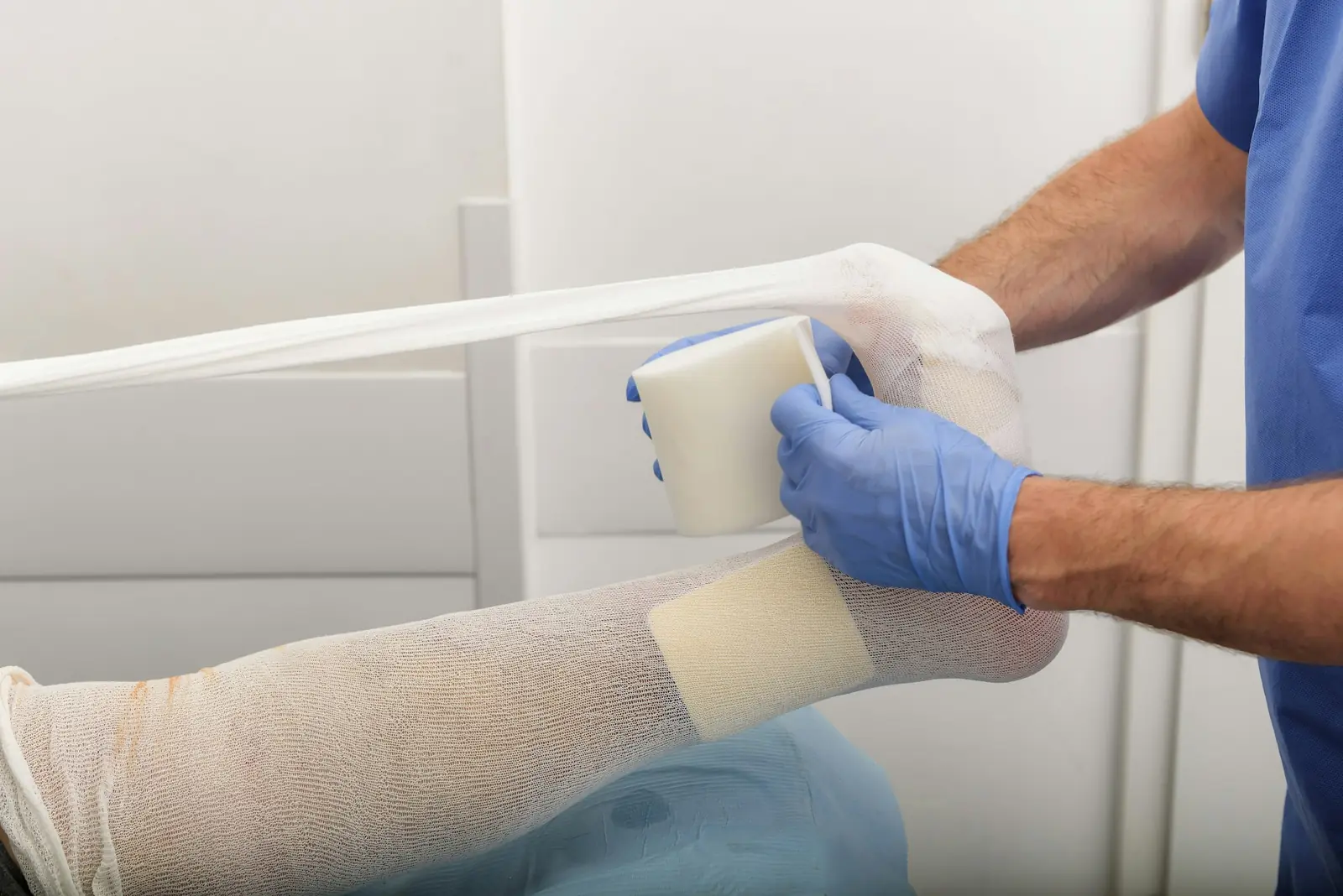 Advanced Wound CareCareful assessment, dressing plans, and steady follow up for wounds that need extra help to heal, from diabetic ulcers to grafting.
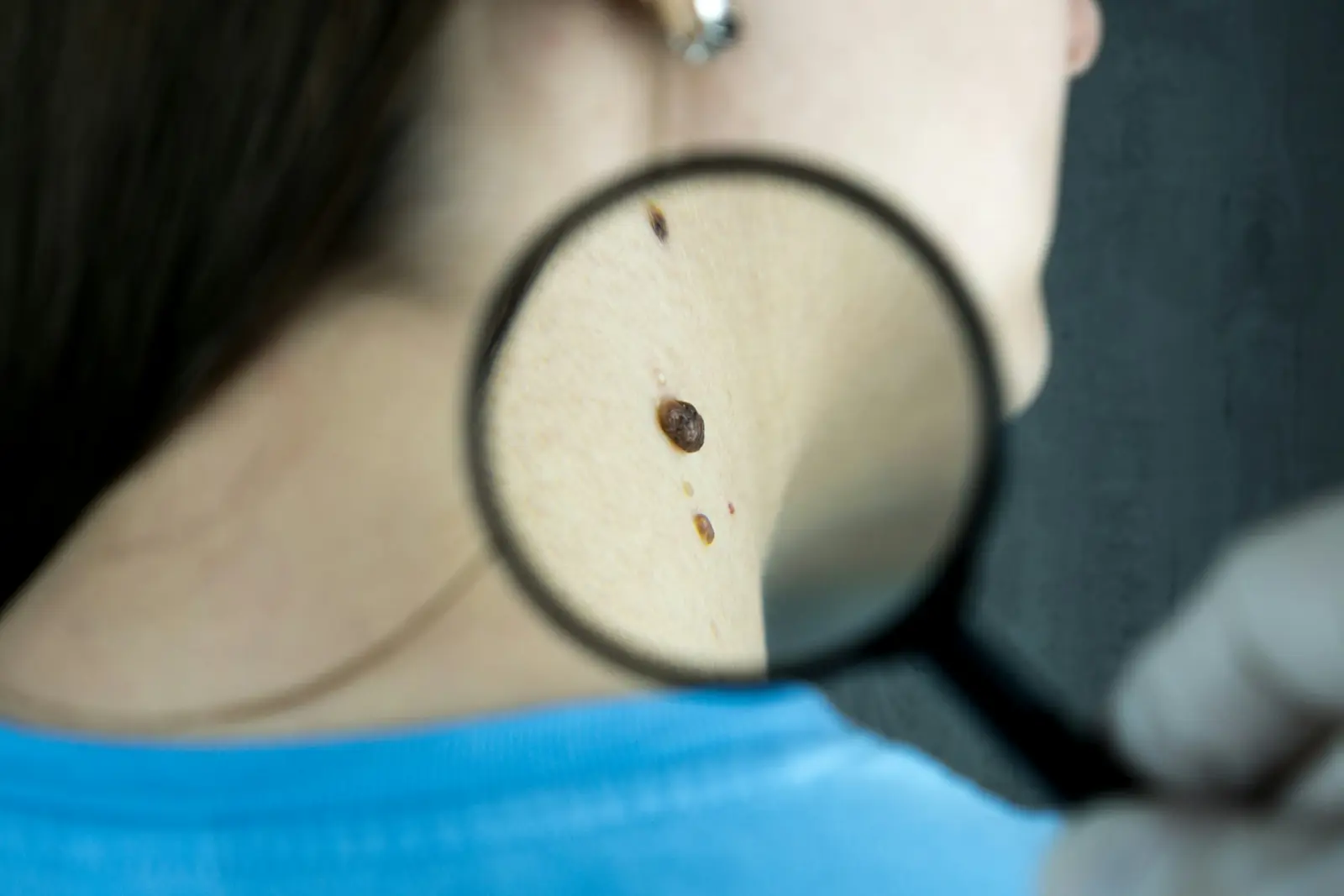 Minor Skin ProceduresIn office evaluation and removal of skin tags, cysts, and other minor skin growths, handled by the providers who already know your health history.
 Shave and Punch BiopsiesQuick, precise in office skin biopsies that give clear answers about a spot, mole, or rash, with results reviewed with you.
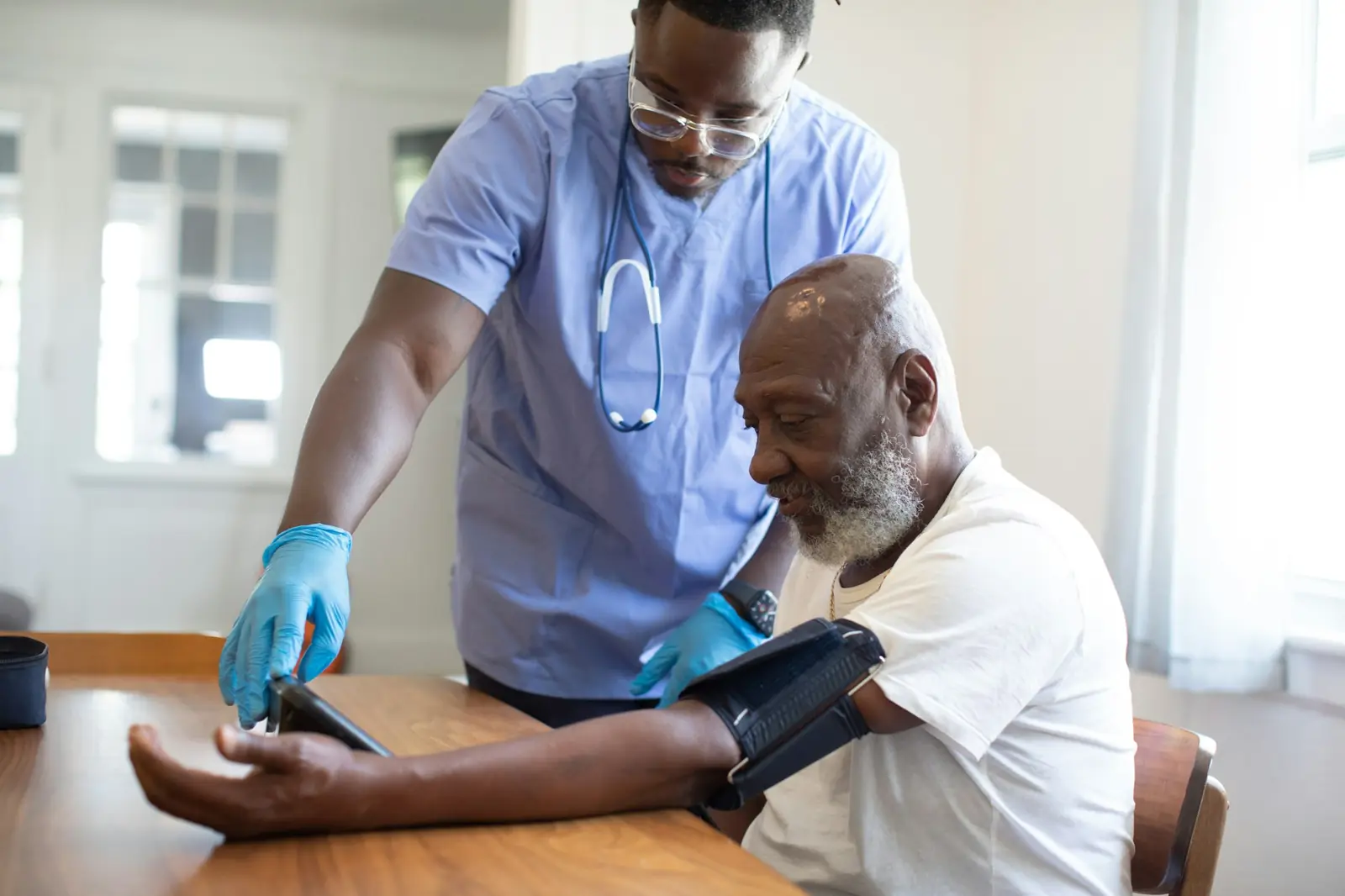 Home Health CoordinationWe partner with home health agencies to plan and oversee medical care at home, keeping treatment consistent and families informed.