Minor skin procedures in Hudson and Trinity, FL
In office evaluation and removal of skin tags, cysts, and other minor skin growths, handled by the providers who already know your health history.
 Medically reviewed by Dr. John Hanna, MDBoard certified internal medicine · September 29, 2026
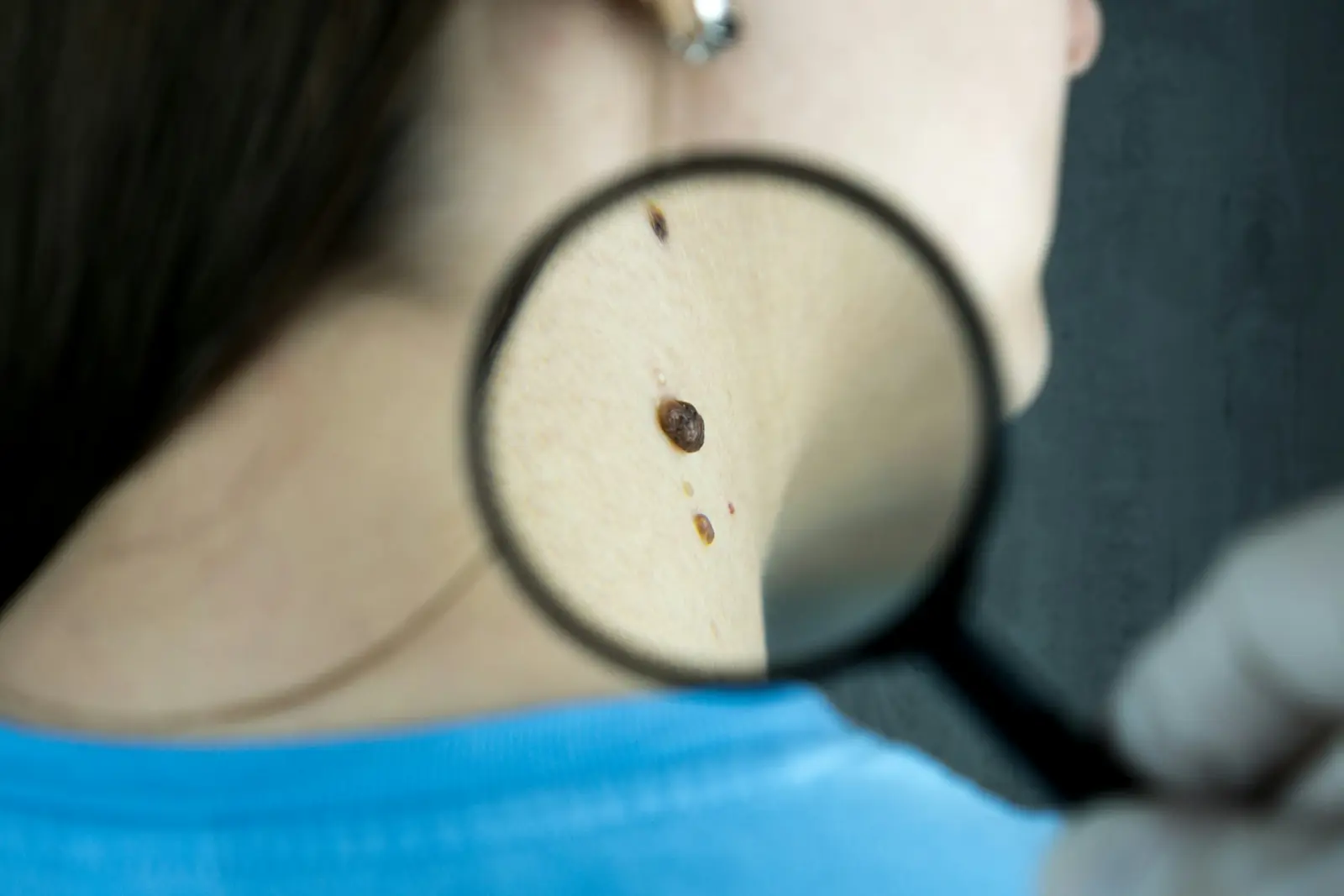
Minor skin procedures are in office treatments for common skin concerns such as skin tags, cysts, and small growths or lesions. Adults can have a concern evaluated and, in many cases, removed during the visit. Samples are sent to pathology when appropriate, and you leave with simple aftercare instructions and a plan for follow up.
Ready to schedule? New patients age 18 and older are welcome.
Minor skin procedures are medical treatments for common skin concerns, such as skin tags, cysts, and small growths, done right in the exam room. Adults 18 and older can have these concerns evaluated and treated at our Hudson and Trinity offices. Many skin concerns can be handled by your primary care team, which keeps your care in one place and in one shared chart.
What minor skin procedures include
Every procedure starts with an exam. Your provider looks at the size, shape, color, and texture of the spot, asks how long it has been there and whether it has changed, and reviews your health history. From there, you decide together on the best next step.
- Evaluation of skin lesions, growths, and spots of concern
- Removal of skin tags
- Removal or drainage of cysts when appropriate
- Removal of other minor skin growths
- Pathology testing of removed tissue when appropriate
- Aftercare instructions and a follow up plan
If a spot needs a closer look under a microscope, your provider may recommend a shave or punch biopsy. If a removal site needs closure, your provider can place stitches and schedule suture removal at a later visit. When a concern calls for a specialist, the team coordinates the referral.
What to expect at your visit
Before the procedure. Tell your provider about any medications you take, especially blood thinners, and any allergies, including allergies to numbing medicine, tape, or bandages. You can eat normally before most minor skin procedures unless the team tells you otherwise.
During the procedure. The area is cleaned, and a local numbing medicine is used so you stay comfortable. Most people feel pressure rather than pain. In many cases, the growth can be removed during the same visit. If tissue is removed, it may be sent to a lab for testing.
After the procedure. The site is covered with a bandage. You will receive instructions for keeping the area clean, changing the bandage, and knowing what healing should look like. Mild tenderness for a few days is common. If a sample was sent to pathology, your provider reviews the results with you and explains any next steps.
Have questions about your care? New patients age 18 and older are welcome.
Who this care is for
This service is for adults who have:
- Skin tags that rub, catch on clothing, or become irritated
- Cysts that are bothersome, growing, or tender
- A mole or spot that has changed in size, shape, or color
- A small growth that your provider recommends evaluating
- A skin concern they would like checked during a regular visit
It can be a good fit for people who want a skin concern handled by their primary care team. It also pairs well with ongoing primary care, since your provider already knows your medications and health conditions.
This service is focused on medical skin care. Procedures are recommended based on your health and what your provider finds on exam.
Insurance and coverage
Medically necessary skin procedures are commonly covered by Medicare and many commercial plans. Coverage can vary based on the reason for the procedure and your plan. Please call the office to verify your benefits before your visit.
Seek urgent care if a procedure site shows spreading redness, warmth, pus, red streaks, fever, or bleeding that does not stop with gentle, steady pressure.
Frequently asked questions
Can my primary care doctor remove a skin tag or cyst?
Yes, many skin tags, cysts, and small growths can be evaluated and removed in our office. Your provider will let you know if a specialist referral would be a better fit.
Does skin tag or cyst removal hurt?
A local numbing medicine is used, so most people feel only pressure during the procedure. Mild soreness afterward is common and usually improves within a few days.
Will the removed tissue be tested?
When appropriate, removed tissue is sent to pathology for testing. Your provider reviews the results with you and explains any follow up.
How should I care for the area after a skin procedure?
Keep the area clean and covered as instructed, and change the bandage as directed. Call the office if you notice signs of infection or the site is not healing as expected.
Is minor skin removal covered by insurance?
Medically necessary procedures are commonly covered by Medicare and many commercial plans. Coverage depends on your plan and the reason for the procedure, so call to verify.
Related care
 Shave and Punch BiopsiesQuick, precise in office skin biopsies that give clear answers about a spot, mole, or rash, with results reviewed with you.
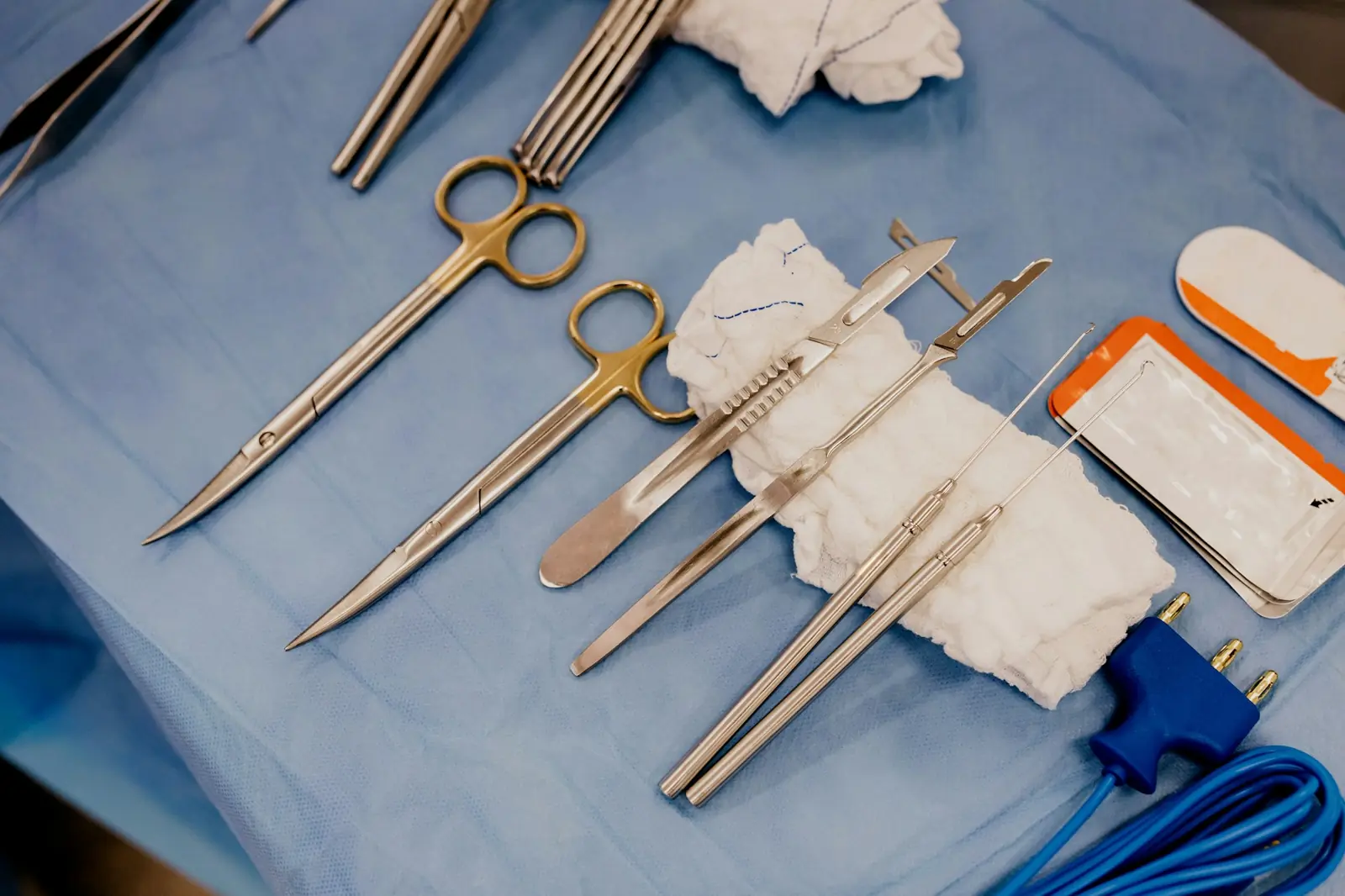 Sutures and StaplesIn office closure of minor cuts plus removal of stitches and staples placed elsewhere, with a healing check at every step.
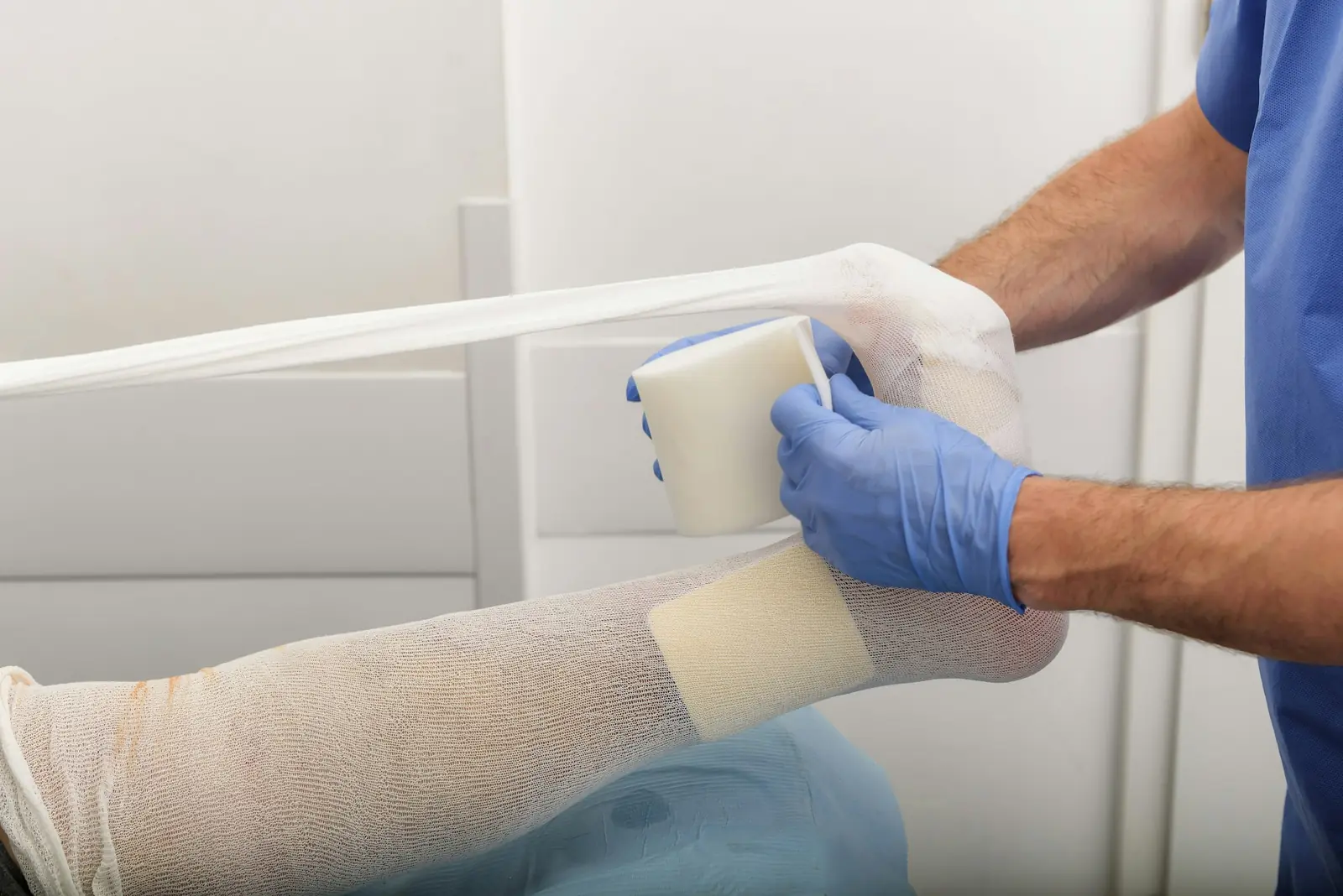 Advanced Wound CareCareful assessment, dressing plans, and steady follow up for wounds that need extra help to heal, from diabetic ulcers to grafting.
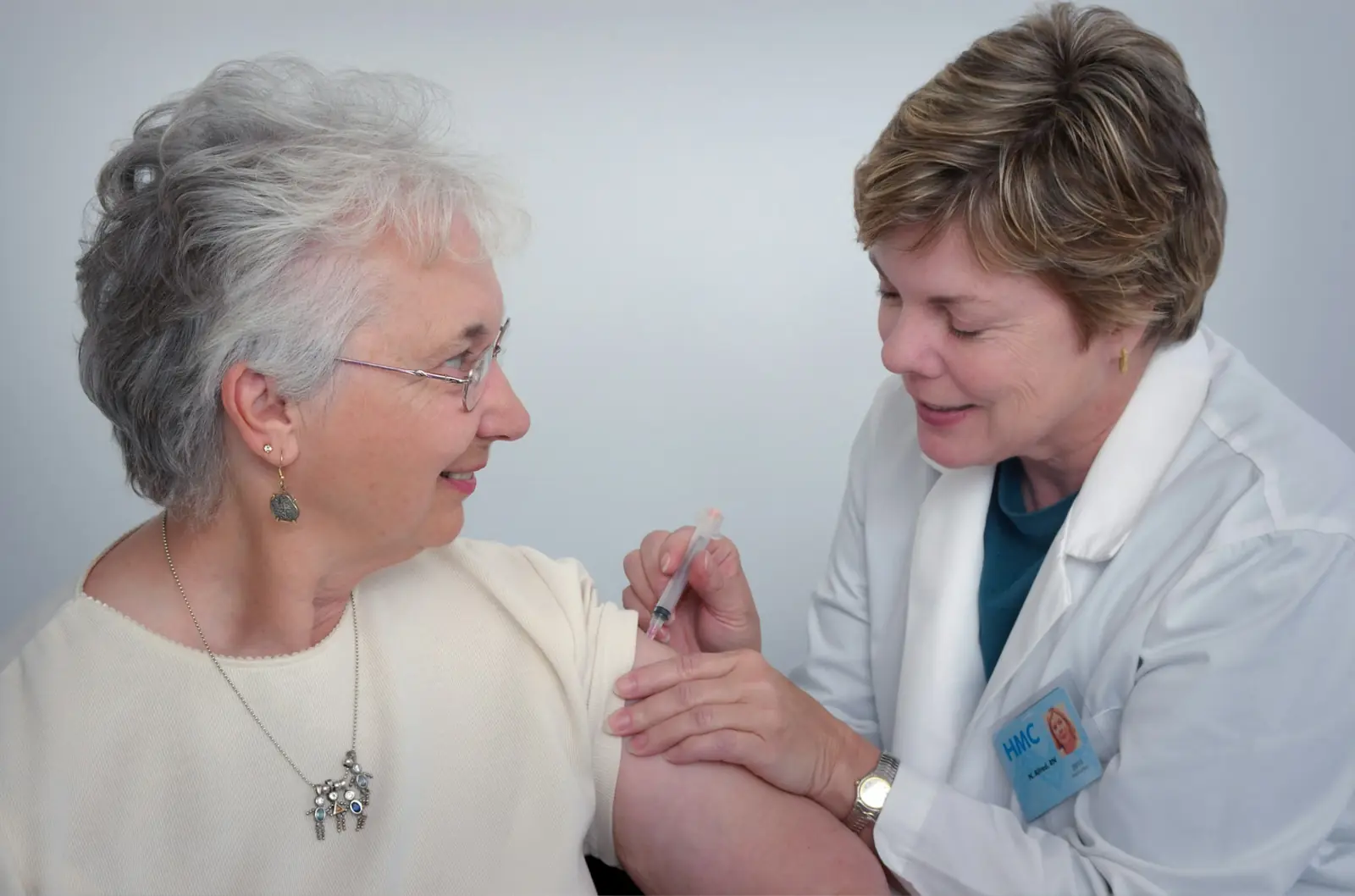 Primary and Preventive CareOne medical home for adults, with preventive visits, ongoing health management, and clear follow through from a team that knows your history.