
High blood pressure care in Hudson and Trinity, FL
Accurate measurement, home monitoring guidance, and medication management to keep blood pressure in a healthy range.
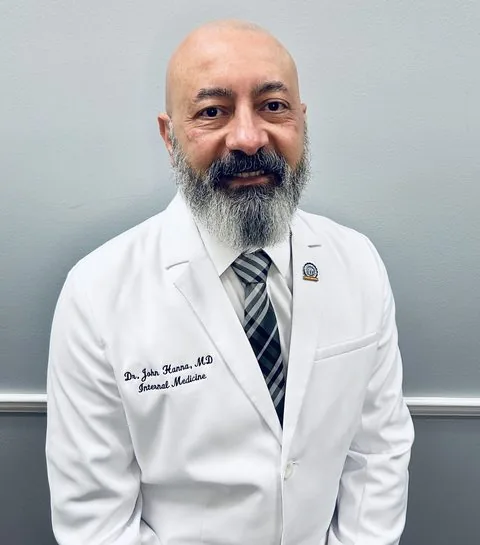 Medically reviewed by Dr. John Hanna, MDBoard certified internal medicine · September 29, 2026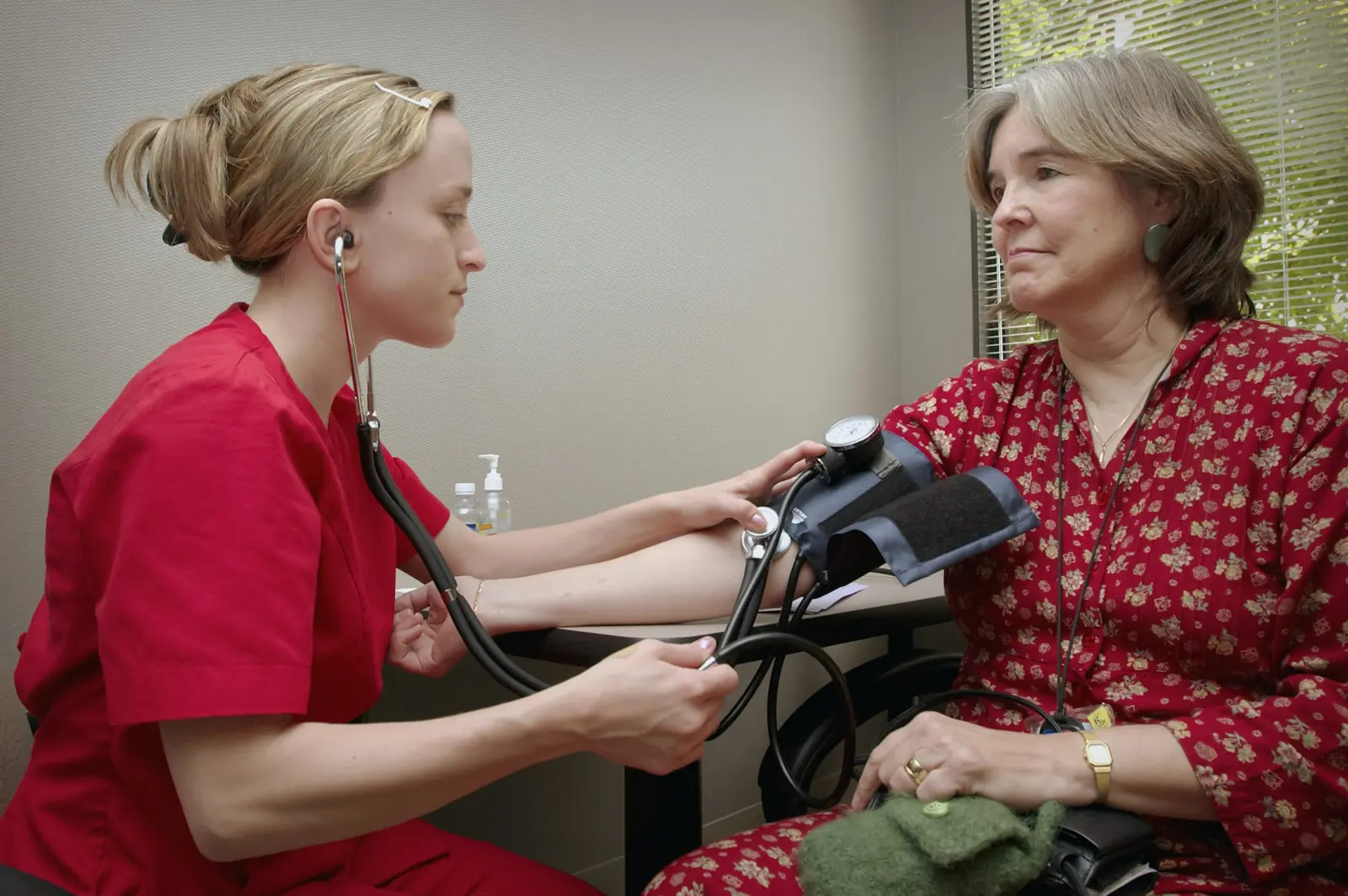
Hypertension care helps adults lower and control high blood pressure to protect the heart, brain, and kidneys. It includes careful office measurement, review of home readings, medication selection and adjustment, lab monitoring, and guidance on salt, activity, sleep, weight, alcohol, and tobacco, with a clear target and follow up schedule.
Ready to schedule? New patients age 18 and older are welcome.
Hypertension care helps lower blood pressure and supports a healthy heart, brain, and kidneys over the long term. Internal Medicine MD evaluates and treats high blood pressure for adults at our Hudson and Trinity offices, with a plan built around accurate readings and your full health picture. High blood pressure often causes no symptoms, so steady monitoring is one of the most useful steps you can take.
What hypertension care includes
Care includes repeat office measurements, review of home readings, medication selection and adjustment, lab monitoring, and guidance on sodium, activity, sleep, weight, alcohol, and tobacco. Your provider also looks for medications or health conditions that may raise blood pressure.
- Review of blood pressure patterns and measurement technique
- Assessment of medication response and possible side effects
- Evaluation of heart and kidney risk
- Lab testing when needed for safe treatment
- A clear target and follow up schedule
High blood pressure often occurs with diabetes, high cholesterol, heart disease, and kidney disease. Coordinated treatment can connect with diabetes management, heart disease care, and kidney disease care. In office EKG testing is available when appropriate, with results reviewed during the same visit.
What to expect at your visit
Your visit starts with careful blood pressure measurement and a review of recent readings. Bring your home monitor if you would like the team to compare it with office readings. Also bring your medication list, including pain relievers, cold medicines, supplements, and any doses you sometimes miss.
Home readings give your provider more information about patterns outside the office and can help show how well treatment is working. They add to your medical visits and work best alongside them. Your provider explains how and when to check at home, what numbers to record, and when to call. For step by step tips and a printable sheet, see our guide to tracking your blood pressure at home.
Medication changes are based on repeated readings over time. A single reading leads to a change only when the number and symptoms point to an urgent problem. The plan also accounts for dizziness, swelling, fatigue, cost, and dosing schedules. Report side effects early so treatment can be adjusted safely.
Bring a written home log rather than relying on memory. Include the time of each reading and whether it was taken before or after medication. This context helps the team interpret changes. Always talk with your provider before stopping any prescribed blood pressure medication. Some follow up visits and home log reviews can be done by telehealth.
You can schedule blood pressure visits at our Trinity office or at our Hudson office.
Have questions about your care? New patients age 18 and older are welcome.
Who this care is for
This service is for adults with a new high reading, an established diagnosis, changing numbers, medication side effects, or blood pressure that remains above goal. It is also a good fit for people with added risks such as diabetes, kidney disease, high cholesterol, prior stroke, or heart disease. Miranda McWhirter, AGACNP-BC, who sees patients at our Hudson office, brings a cardiovascular focus to the team, and all three providers share one chart.
Insurance and coverage
Evaluation and treatment of high blood pressure are commonly covered by Medicare and many commercial plans. Copays, deductibles, lab benefits, and medication coverage vary. Call the office to verify participation and expected visit costs.
Call 911 for chest pain, severe shortness of breath, weakness on one side, confusion, trouble speaking, fainting, or sudden vision changes, especially with a very high reading.
Frequently asked questions
What blood pressure is considered high?
Diagnosis depends on repeated readings, your medical history, and current clinical guidelines. One high reading does not always mean hypertension, and it is worth sharing with your provider.
How should I check blood pressure at home?
Use a validated upper arm cuff, sit quietly for a few minutes first, keep your feet flat and supported, and rest your arm at heart level. Record the date, time, and results for review.
Can high blood pressure cause symptoms?
It often causes no clear symptoms, which is why accurate measurement matters. Very high pressure with chest pain, breathing trouble, weakness, confusion, or vision changes needs emergency care.
Do I have to take blood pressure medication forever?
Some patients need long term medication, while others may need changes as health and habits improve. Talk with your provider before reducing or stopping any medication.
How soon should I follow up after a medication change?
Timing depends on the medication, your readings, and any lab needs. Your provider gives a specific interval and tells you which symptoms or numbers should prompt an earlier call.
Related care
 Heart Disease ManagementOngoing heart care close to home, with in office EKGs, risk reduction, and coordination with cardiology.
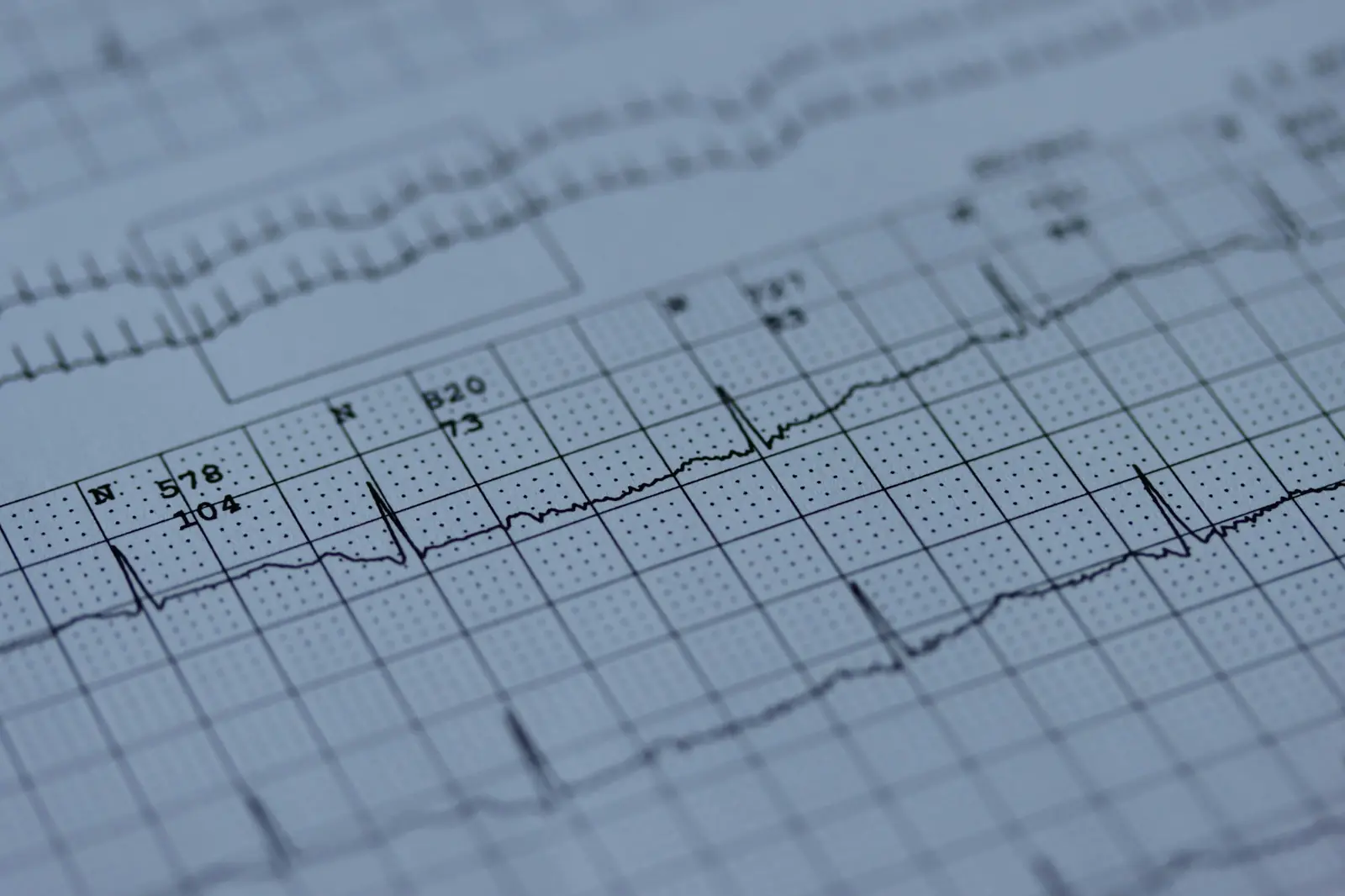 EKG TestingA quick, painless in office heart test, with results reviewed by your provider during the same visit.
 Chronic Kidney Disease CareRegular monitoring and coordinated care to help protect kidney function over time.
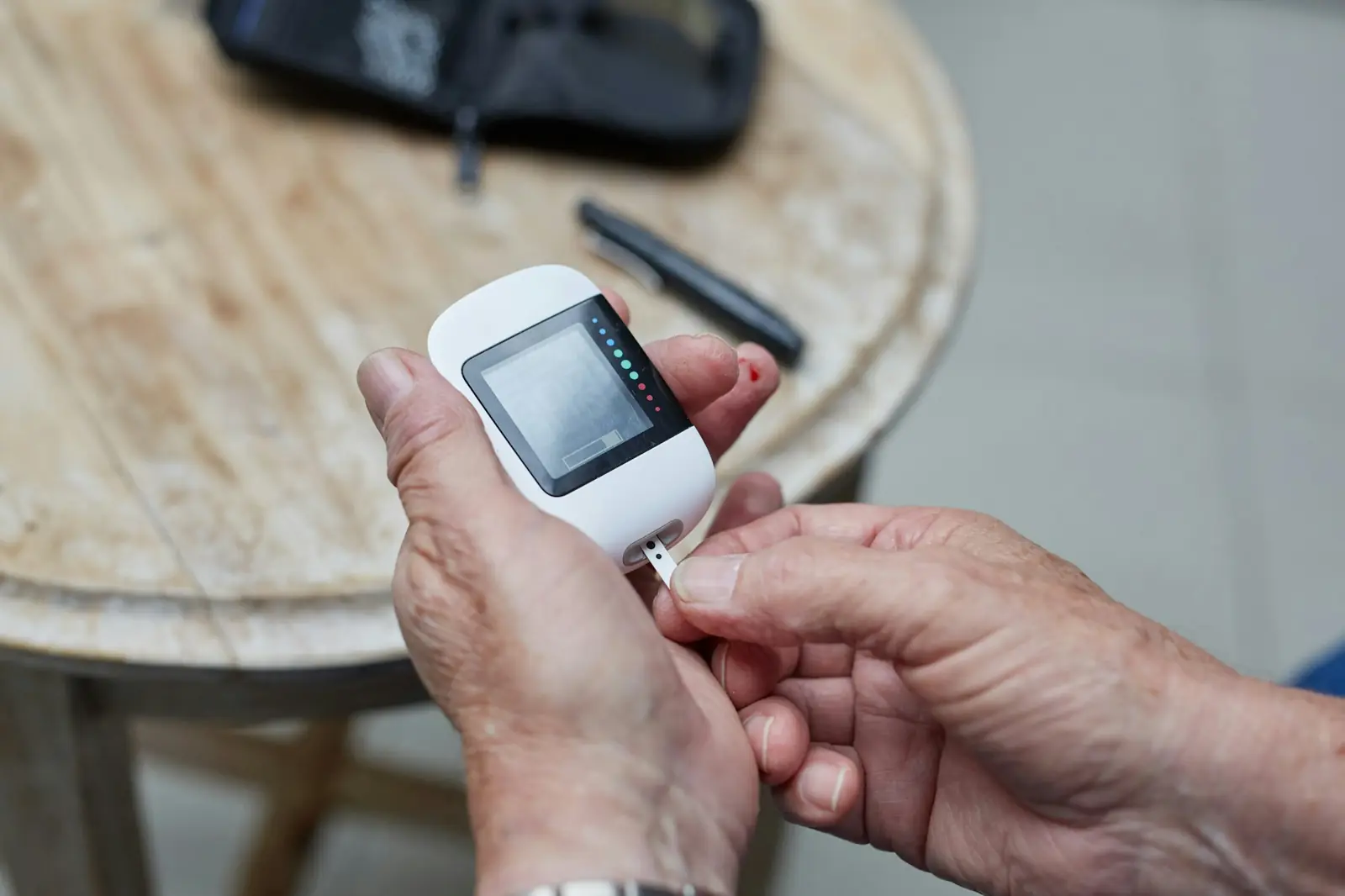 Diabetes ManagementCoordinated diabetes care with testing, medication management, complication screening, and practical guidance for daily life.