Heart disease management in Hudson and Trinity, FL
Ongoing heart care close to home, with in office EKGs, risk reduction, and coordination with cardiology.
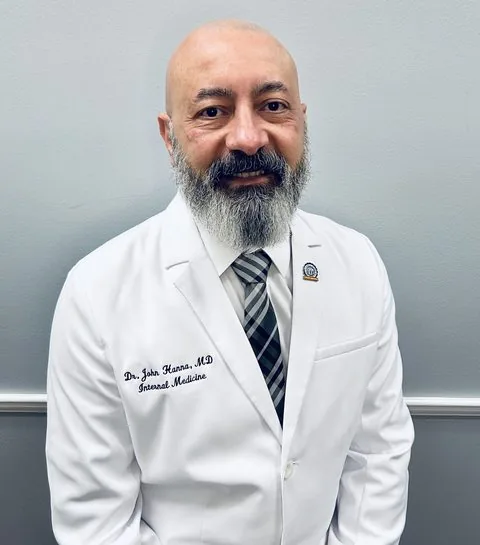 Medically reviewed by Dr. John Hanna, MDBoard certified internal medicine · September 29, 2026

Heart disease management is ongoing primary care for adults with heart conditions or strong heart risk factors. It includes heart risk assessment, in office EKG testing with results reviewed the same visit, blood pressure and cholesterol management, medication review, lifestyle guidance, and coordination with cardiology when more advanced care is needed.
Ready to schedule? New patients age 18 and older are welcome.
Heart disease management is ongoing care that helps adults with heart conditions, or with a high risk of developing them, stay as healthy and active as possible. At our Hudson and Trinity offices, Internal Medicine MD provides heart risk assessment, in office EKGs, medication management, and long term monitoring. The team works alongside your cardiologist when advanced care is needed, so your primary care and specialty care stay connected.
What heart disease care includes
Heart health is best managed early and steadily. Your care may include:
- Heart risk assessment based on your history, exam, and lab results
- In office EKG testing, with results reviewed during the same visit
- Cholesterol treatment and blood pressure control
- Medication review for safety, side effects, and interactions
- Guidance on activity, heart healthy eating, sleep, weight, and tobacco
- Referral and coordination with cardiology when needed
Common conditions managed in primary care include coronary artery disease, a history of heart attack or stent, heart failure, and irregular heart rhythms such as atrial fibrillation. Many of these conditions are cared for together with a cardiologist. Your internal medicine team handles the day to day plan, keeps your medication list current, and makes sure the specialist has what they need.
Heart health is closely tied to other conditions. Diabetes, high blood pressure, high cholesterol, and kidney disease all affect the heart, and managing them together can support better heart health over time.
What to expect at your visit
Your first visit includes a review of your heart history, symptoms, medications, family history, and any records from hospitals or cardiologists. Bring a list of every medication and supplement you take, along with the names of your specialists and any recent test results.
Your provider will check your blood pressure, heart rate, weight, and signs of fluid buildup, and may order lab work or an EKG. Blood draws can be done in office, which keeps testing simple. You will leave with a clear plan that lists your goals, your medications, and when to return.
Follow up visits track how you feel, how your medications are working, and how your numbers are trending. If you have heart failure, your provider may ask you to weigh yourself daily and report sudden changes. Tell the team about new shortness of breath, swelling, or changes in how much activity you can do, since these details help guide treatment.
Miranda McWhirter, AGACNP-BC, is an adult gerontology acute care nurse practitioner with a cardiovascular focus. She sees patients at our Hudson office and works with Dr. John Hanna and Amanda Durrett, FNP-BC, as one team with one shared chart.
Heart care visits are available in Trinity and Hudson. See Trinity office details or Hudson office details.
Have questions about your care? New patients age 18 and older are welcome.
Who this care is for
This care is for adults with existing heart disease, a prior heart attack or heart procedure, heart failure, or an irregular heart rhythm. It is also for people with a strong family history of early heart disease or several risk factors, such as diabetes, high blood pressure, high cholesterol, or tobacco use.
Insurance and coverage
Heart disease visits and medically necessary testing are commonly covered by Medicare and many commercial plans. Participation varies by plan and office, so please call to verify your coverage before your visit.
Call 911 for chest pain or pressure, pain spreading to the arm, jaw, or back, sudden shortness of breath, fainting, or signs of stroke such as face drooping, arm weakness, or trouble speaking. Do not drive yourself.
Frequently asked questions
Can my primary care provider manage heart disease?
Yes. Internists often manage heart conditions day to day, including medications, blood pressure, cholesterol, and monitoring. When advanced testing or procedures are needed, the team coordinates with cardiology.
Can I get an EKG at my regular visit?
Yes. EKG testing is available in office at both locations, and results are reviewed with you during the same visit.
What are the warning signs of a heart attack?
Common signs include chest pain or pressure, discomfort in the arm, jaw, neck, or back, shortness of breath, sweating, nausea, or lightheadedness. Call 911 right away if you notice these symptoms.
Do I still need a cardiologist?
Many people with heart disease see both a cardiologist and a primary care provider. Your provider will help decide when a specialist visit is needed and keep both teams informed.
What lifestyle changes help heart health?
Regular activity, a diet rich in vegetables, fruits, whole grains, and lean proteins, good sleep, and avoiding tobacco can all support heart health. Your provider can help you choose steps that fit your health and routine.
Related care
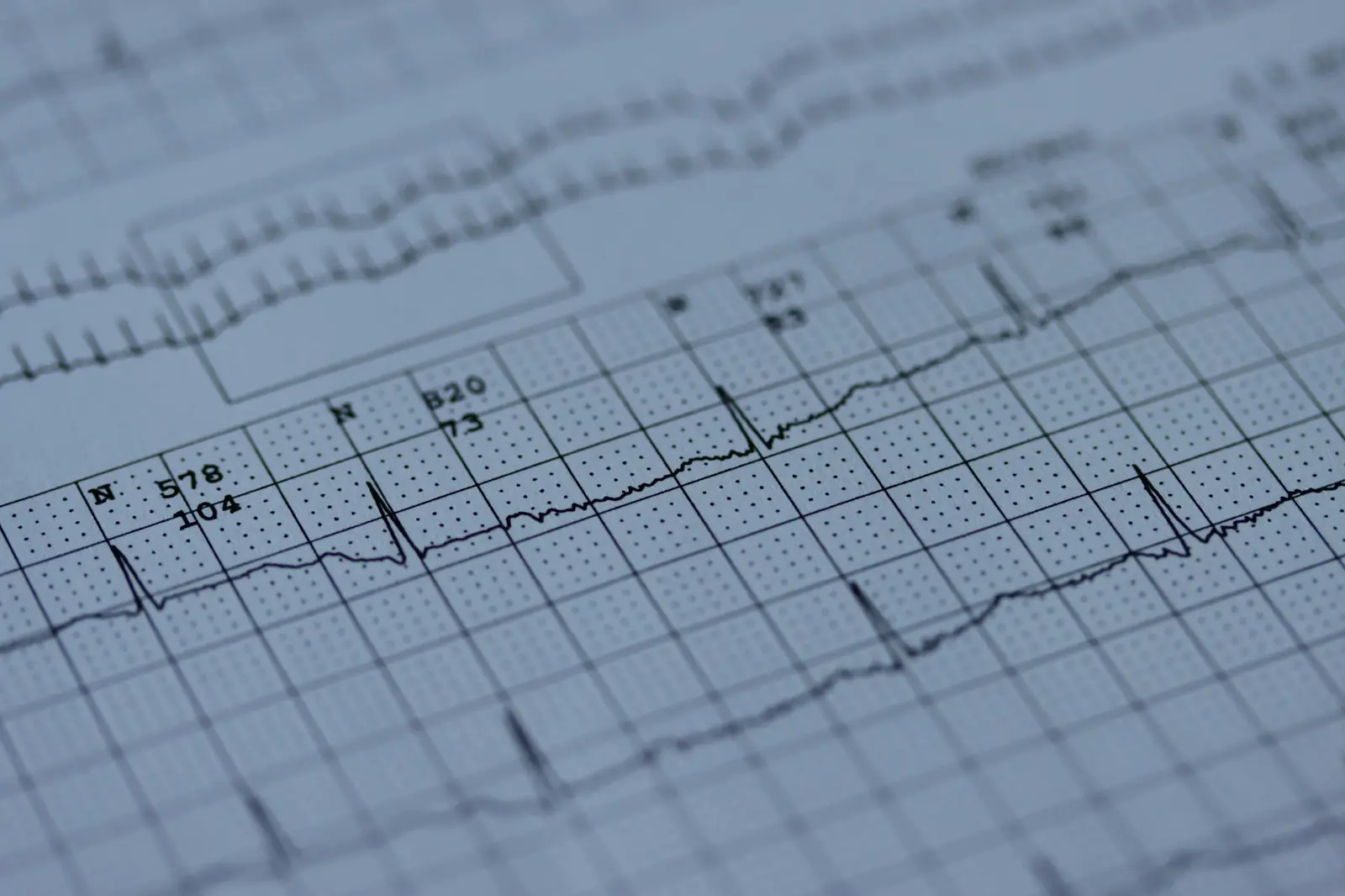 EKG TestingA quick, painless in office heart test, with results reviewed by your provider during the same visit.
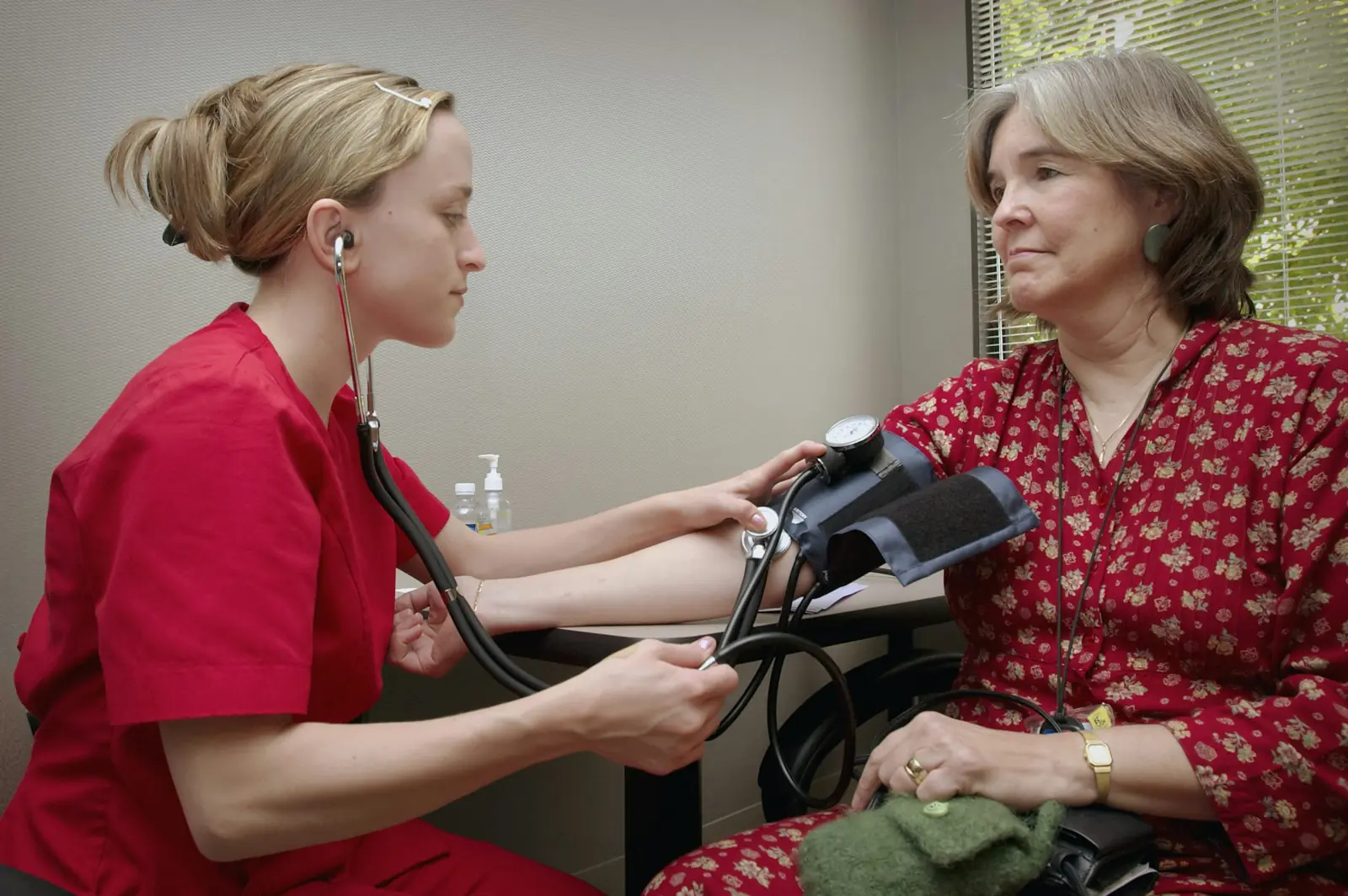 Hypertension ControlAccurate measurement, home monitoring guidance, and medication management to keep blood pressure in a healthy range.
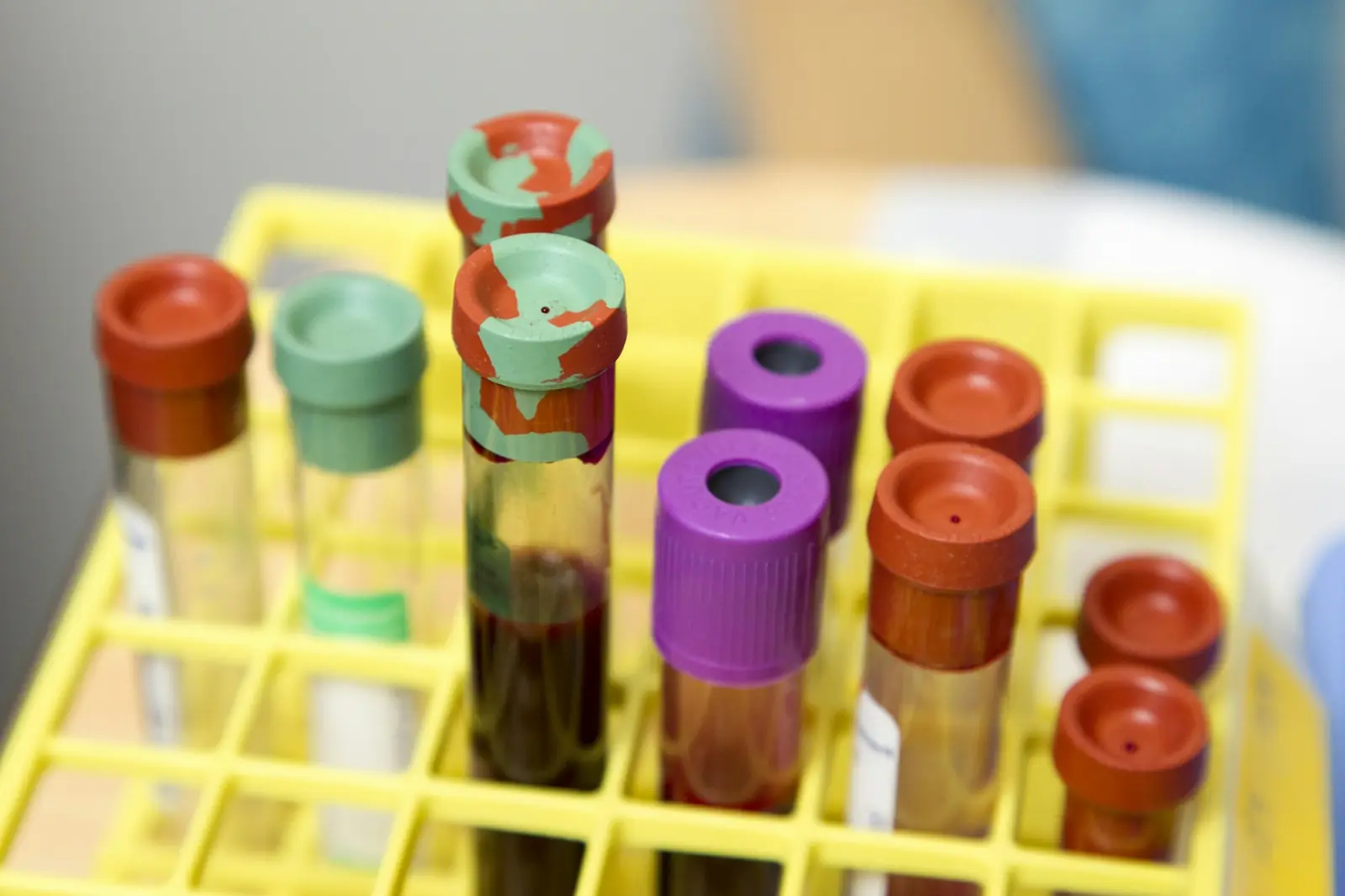 High Cholesterol TreatmentLipid testing, risk based goals, and treatment matched to your heart health needs.
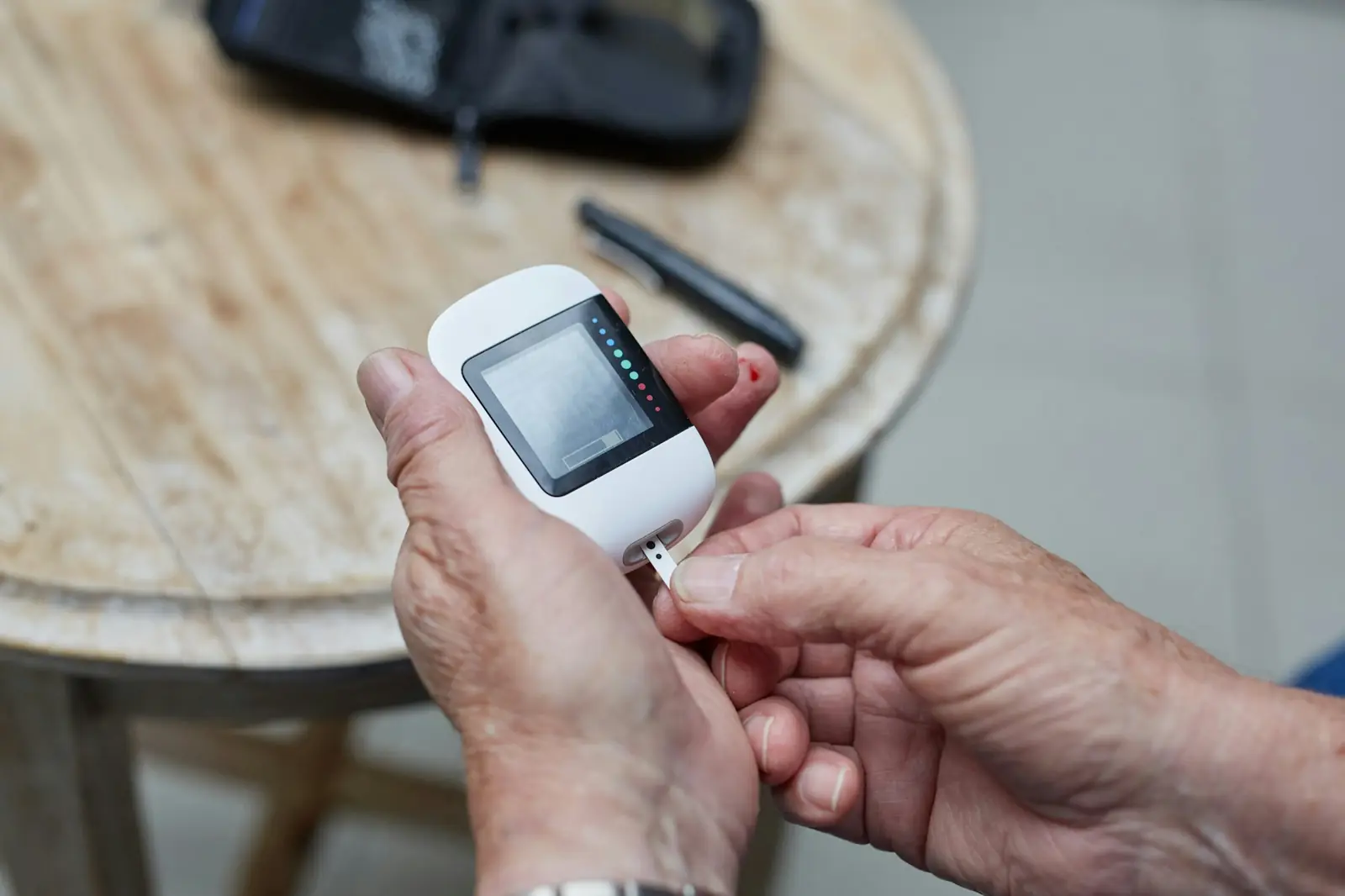 Diabetes ManagementCoordinated diabetes care with testing, medication management, complication screening, and practical guidance for daily life.