High cholesterol treatment in Hudson and Trinity, FL
Lipid testing, risk based goals, and treatment matched to your heart health needs.
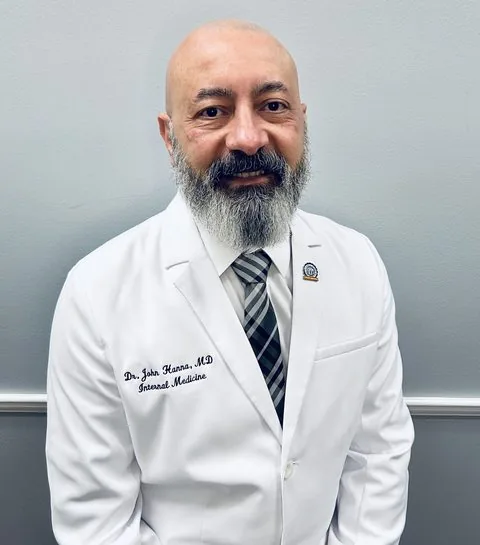 Medically reviewed by Dr. John Hanna, MDBoard certified internal medicine · September 29, 2026
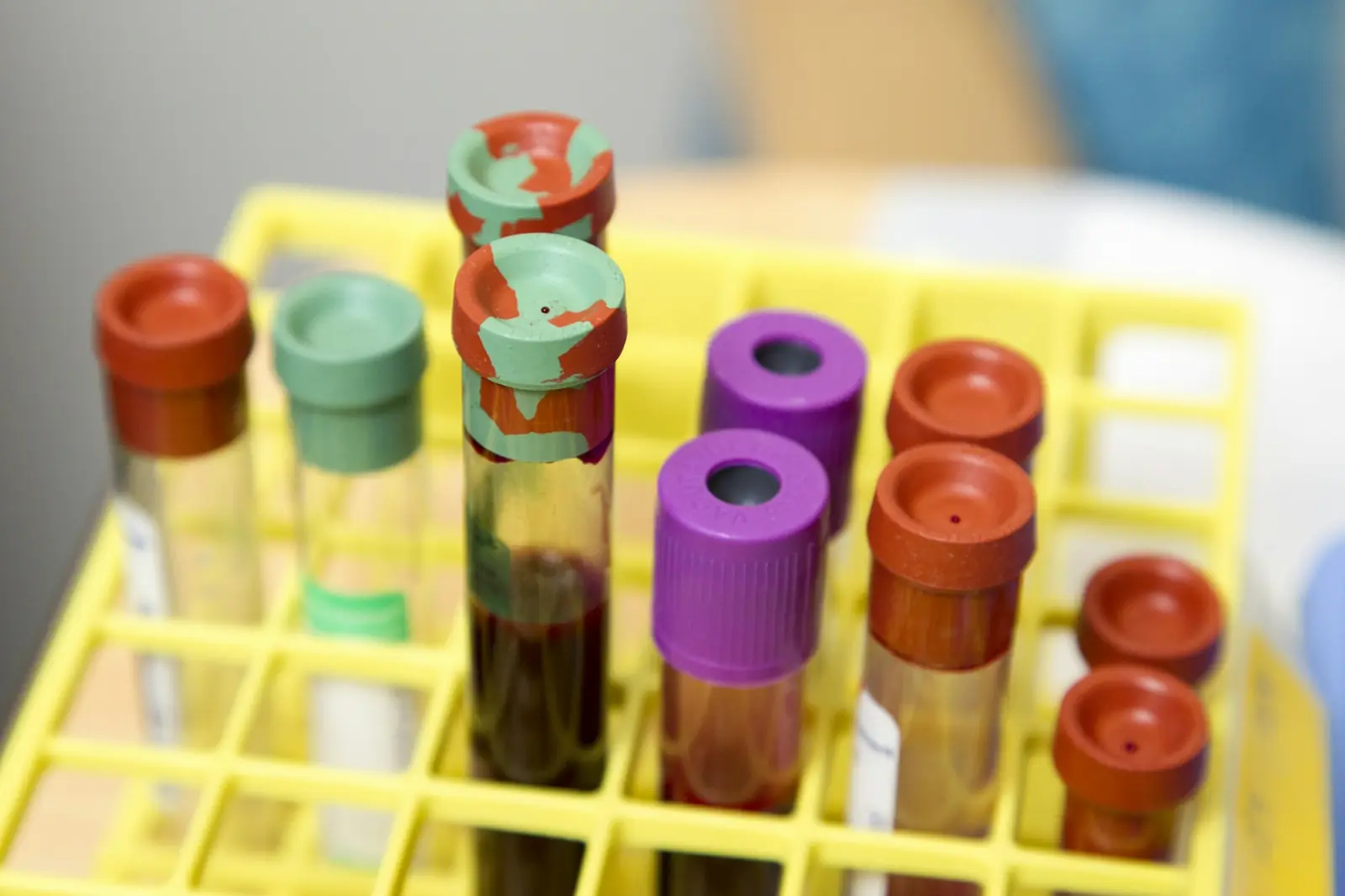
High cholesterol treatment helps adults lower LDL cholesterol and triglycerides to support long term heart and blood vessel health. Care includes lipid panel testing with in office blood draws, a heart risk review, treatment goals based on your personal risk, nutrition and activity guidance, medication when appropriate, and ongoing monitoring and dose adjustment.
Ready to schedule? New patients age 18 and older are welcome.
High cholesterol treatment helps adults manage the fats in the blood, called lipids, to support healthy arteries and a healthy heart. High cholesterol usually causes no symptoms, so blood testing is the main way to find it. At our Hudson and Trinity offices, Internal Medicine MD tests, treats, and tracks lipid levels with a plan matched to your overall heart risk.
What cholesterol treatment includes
A standard lipid panel measures total cholesterol, LDL (often called bad cholesterol), HDL (often called good cholesterol), and triglycerides. Your provider looks at these numbers together with your age, blood pressure, blood sugar, kidney function, tobacco use, and family history to set goals that fit you.
- Lipid panel testing with in office blood draws
- A heart risk review based on your full health picture
- Personal treatment goals based on your risk level
- Guidance on eating patterns, activity, weight, and tobacco
- Medication selection when appropriate, such as statins or other options
- Ongoing monitoring and dose adjustment
High cholesterol often travels with other conditions. Care can connect with heart disease management, high blood pressure care, and diabetes management, since each of these affects heart health.
What to expect at your visit
Your first visit includes a review of your lab results, medical and family history, current medications, and daily habits. If you need a lipid panel, blood can often be drawn during the same visit. Your provider will tell you if you should fast before the test, since some panels are done without fasting.
Once results are in, your provider explains what the numbers mean and how they fit your overall risk. Many people start with changes to eating patterns and activity. Helpful steps can include more vegetables, fruits, beans, whole grains, and fish, fewer fried and highly processed foods, and regular movement you enjoy. For people with higher risk, medication is often recommended along with these habits.
If you start medication, your provider will plan follow up lab work to check how well it is working and to watch for side effects. Tell the team about muscle aches or other new symptoms so treatment can be adjusted. Once your numbers reach goal, testing is usually spaced farther apart. Follow up conversations about results can often happen by telehealth.
Cholesterol visits are available at our Little Road office in Trinity and at our Hudson office.
Have questions about your care? New patients age 18 and older are welcome.
Who this care is for
This care is for adults with high LDL, low HDL, or high triglycerides, as well as people with a family history of early heart disease or existing heart and blood vessel conditions. It also supports people with diabetes, high blood pressure, or kidney disease, who often benefit from closer attention to cholesterol.
Insurance and coverage
Cholesterol testing and treatment are commonly covered by Medicare and many commercial plans. Lab and medication coverage vary by plan. Please call the Hudson or Trinity office to verify your benefits.
Call 911 for chest pain or pressure, sudden shortness of breath, or signs of stroke such as face drooping, arm weakness, or trouble speaking.
Frequently asked questions
What is a healthy cholesterol level?
Goals depend on your overall heart risk, age, and other conditions. Your provider will review your lipid panel and set targets that fit your personal health.
Do I need to fast before a cholesterol test?
Not always. Many lipid panels can be done without fasting, but some situations call for it. Your provider will tell you how to prepare.
Can diet alone lower cholesterol?
Eating patterns, activity, and weight changes can improve cholesterol for many people. Some people also need medication based on their risk or family history, and your provider will discuss the options with you.
How often should cholesterol be checked?
The schedule depends on your age, risk factors, and treatment. Testing is often more frequent after starting or changing medication, then spaced out once levels are stable.
Are cholesterol medications safe?
Cholesterol medications are widely used and well studied. Like all medications, they can have side effects, so your provider monitors how you feel and adjusts treatment when needed.
Related care
 Heart Disease ManagementOngoing heart care close to home, with in office EKGs, risk reduction, and coordination with cardiology.
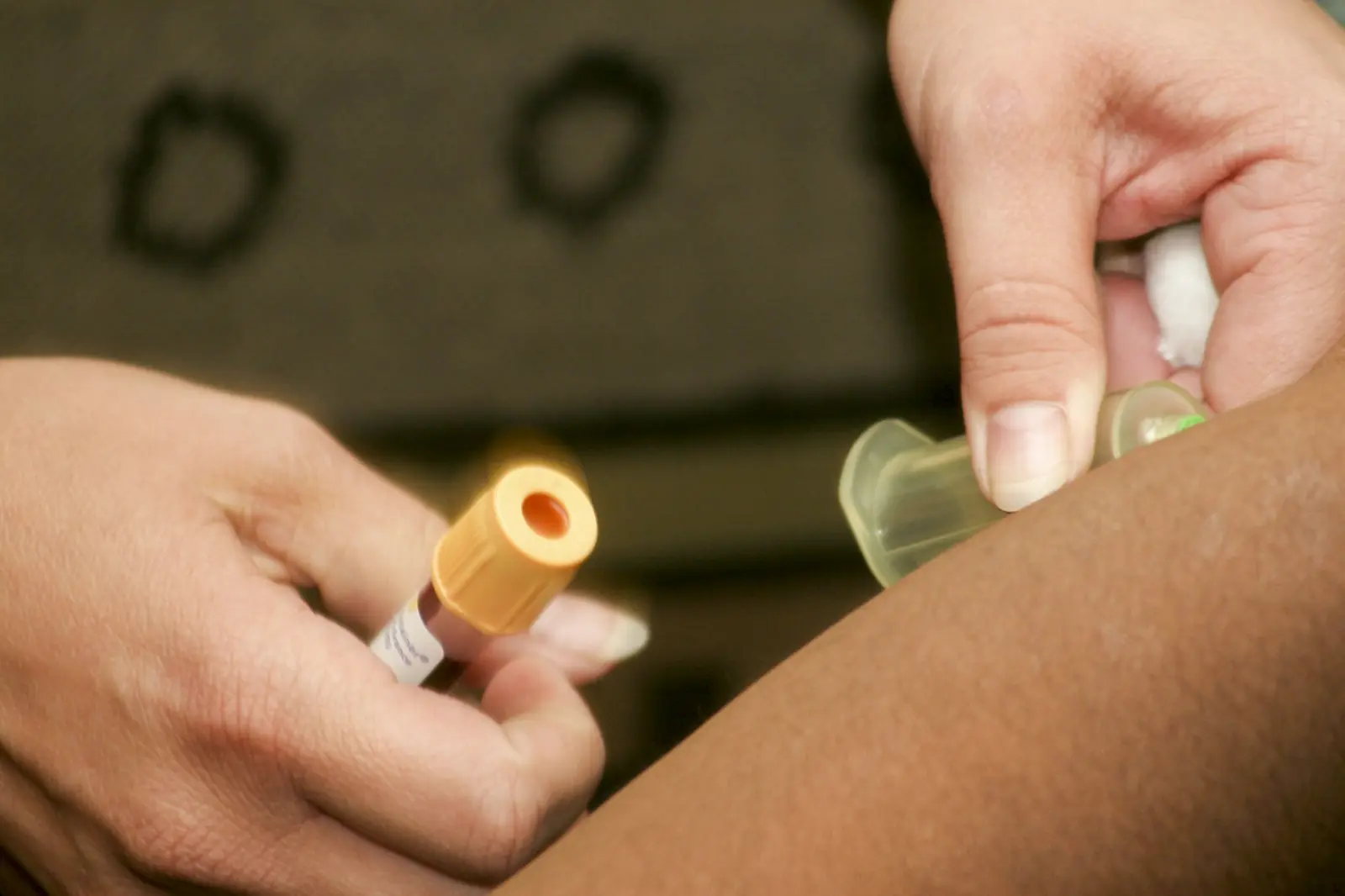 In Office Blood Draws and Lab WorkConvenient blood draws during your visit, with results sent to your provider and available in your patient portal.
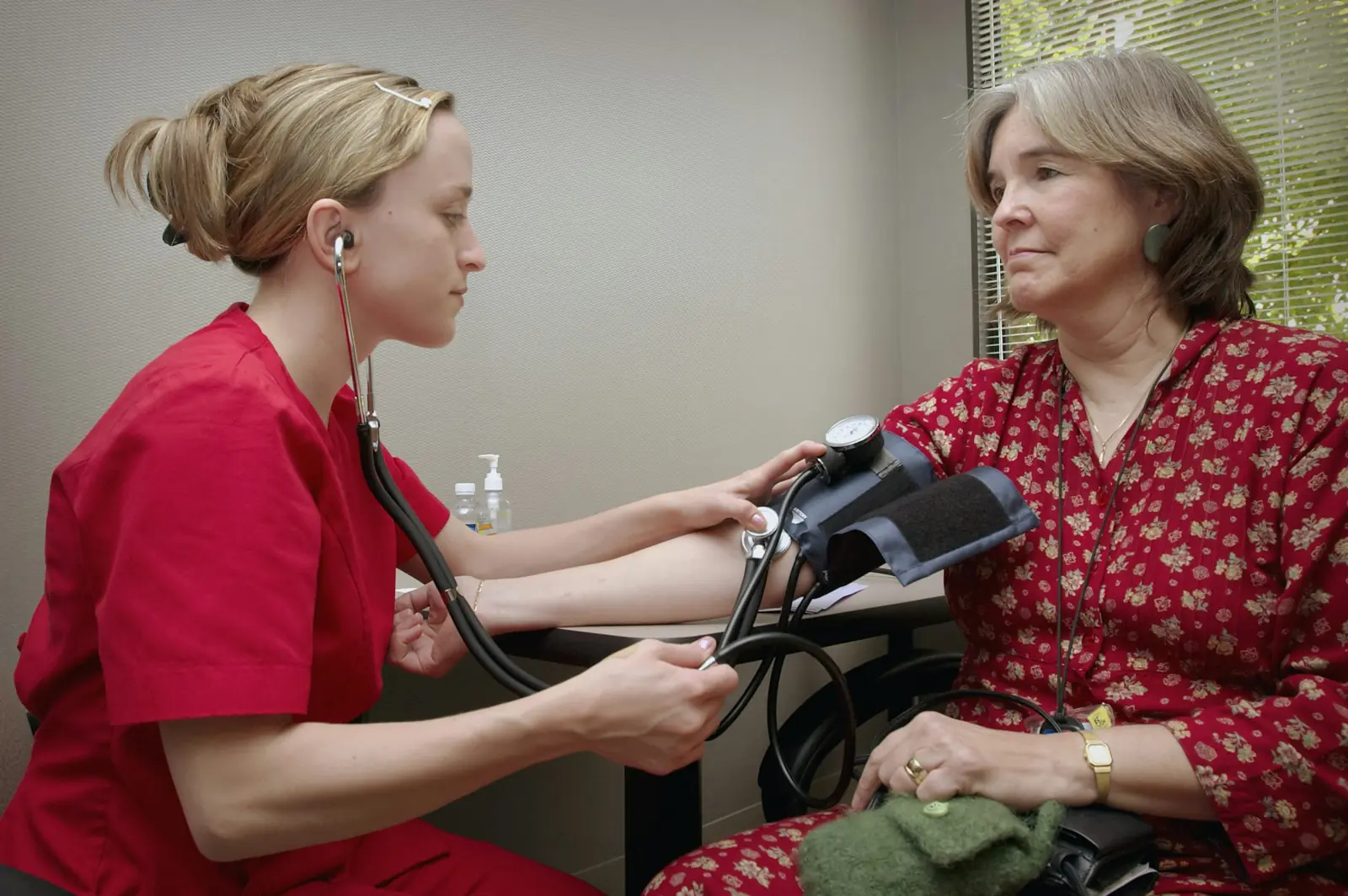 Hypertension ControlAccurate measurement, home monitoring guidance, and medication management to keep blood pressure in a healthy range.
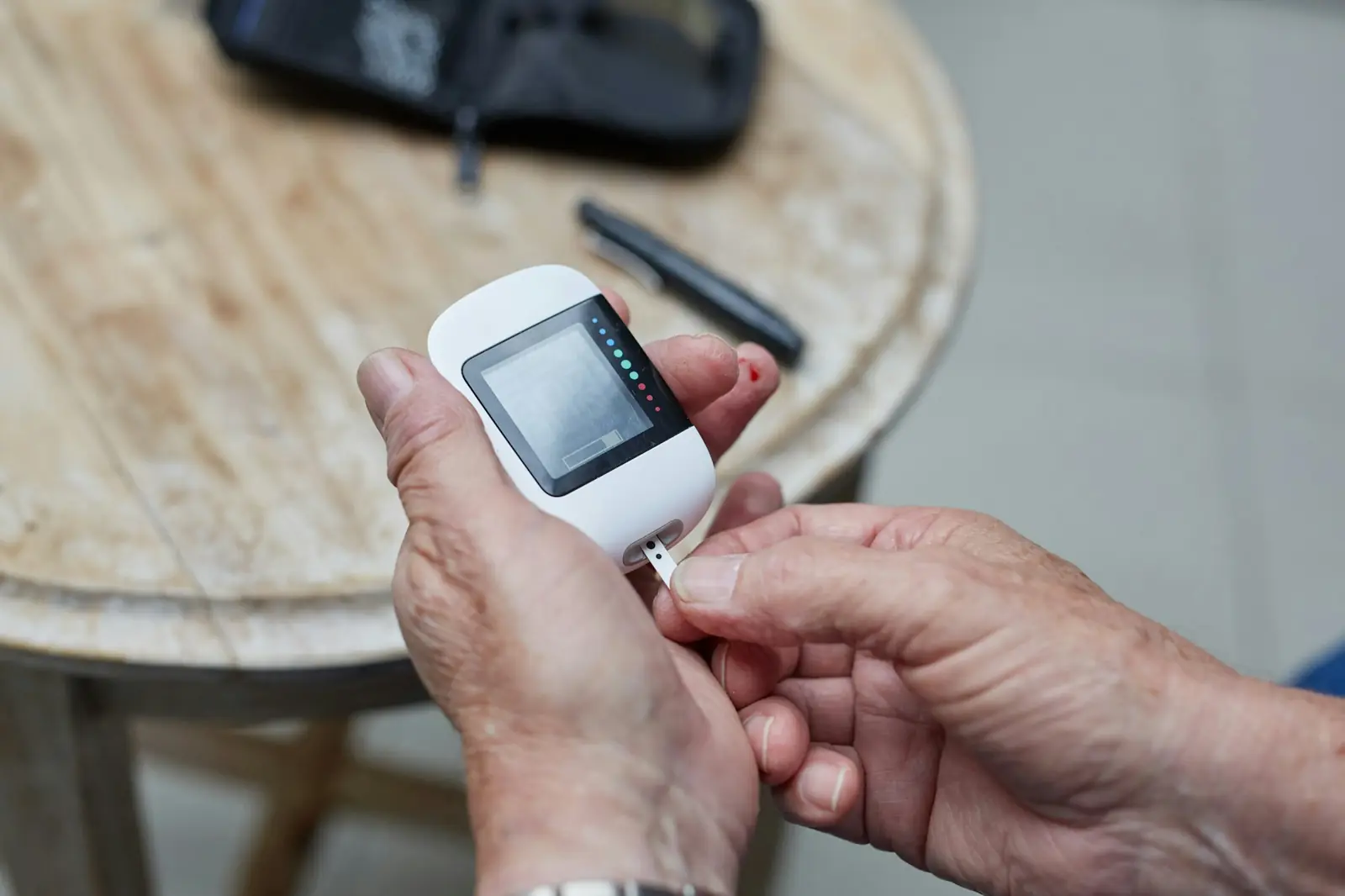 Diabetes ManagementCoordinated diabetes care with testing, medication management, complication screening, and practical guidance for daily life.