Cyst and lipoma removal in Hudson and Trinity, FL
Evaluation and in office removal of lumps under the skin, such as epidermoid cysts and lipomas, from the primary care team that knows your health history.

Cyst and lipoma removal is an in office procedure for adults with a lump under the skin that is bothersome, growing, tender, or needs a diagnosis. After an exam, your provider may remove the cyst or lipoma through a small incision under local numbing, drain an inflamed cyst or abscess, or recommend imaging or a specialist when that is the better path. Removed tissue is sent to pathology when appropriate. It is available at our Hudson and Trinity offices.
- Visit type
- Exam, then removal when appropriate
- Numbing
- Local injection
- Closure
- Stitches, staples, or skin glue
- Testing
- Pathology when appropriate
- Where
- Hudson and Trinity offices
Ready to schedule? New patients age 18 and older are welcome.
Cyst and lipoma removal is a minor office procedure that takes out a lump just under the skin through a small incision after the area is numbed. Adults 18 and older can have a lump evaluated and, when appropriate, removed at our Hudson and Trinity offices. Your provider examines the lump first and explains whether removal in the office is the right choice.
Cysts and lipomas: what is the difference?
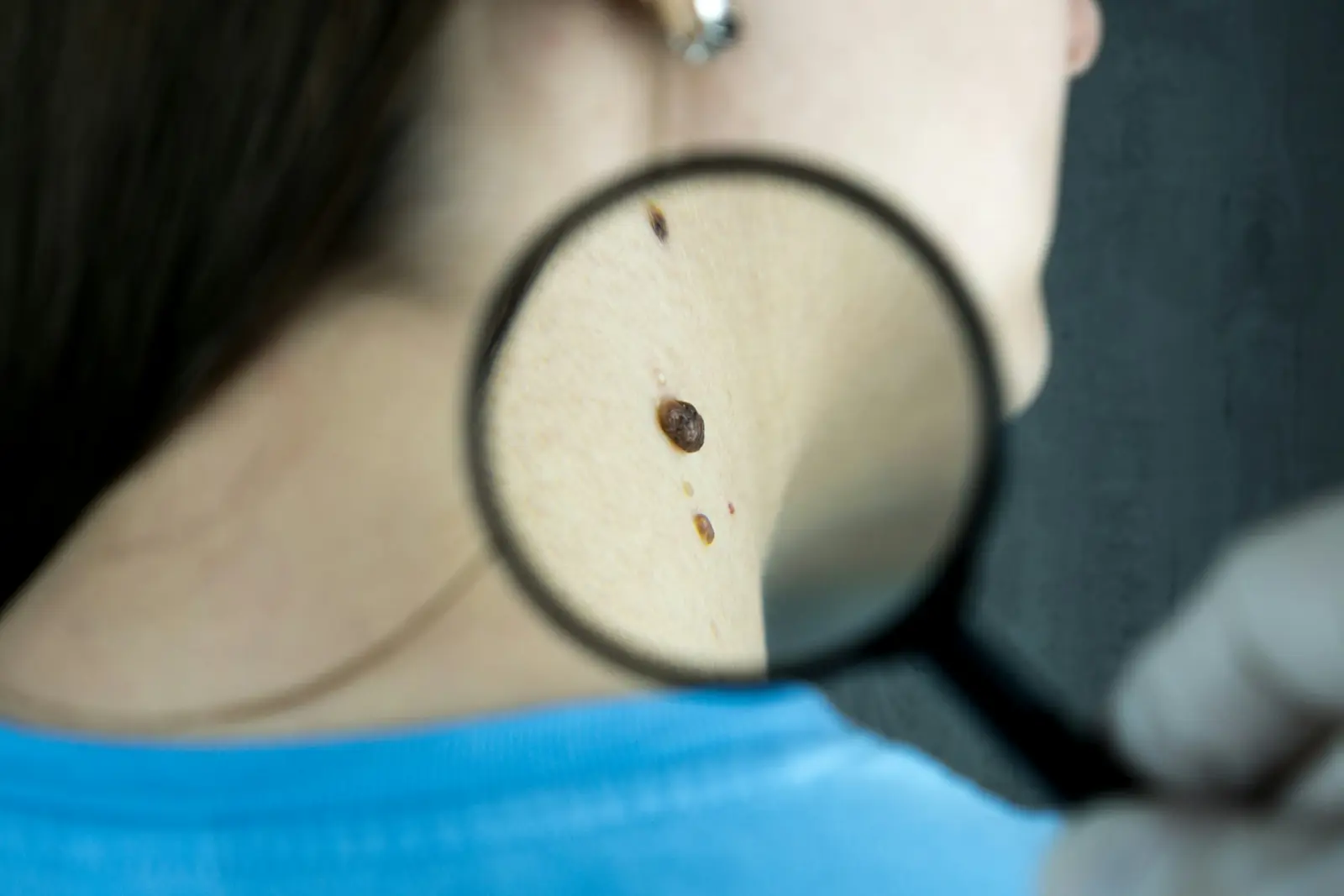
Epidermoid cysts (often called sebaceous cysts) are small sacs under the skin filled with a soft, cheesy material made of skin protein. They often have a tiny dark opening on top, can become red and sore if inflamed, and may come back if the sac is not fully removed.
Lipomas are soft, rubbery lumps of fatty tissue that move slightly under the skin when pressed. They usually grow slowly and are almost always harmless, but they can become large or uncomfortable.
Other lumps can look similar, including swollen lymph nodes, abscesses, and less common growths. That is why every lump is examined before any procedure.
What cyst and lipoma care includes
- An exam of the lump and a review of your health history and medications
- Imaging, such as an ultrasound, when a closer look is needed before deciding on removal
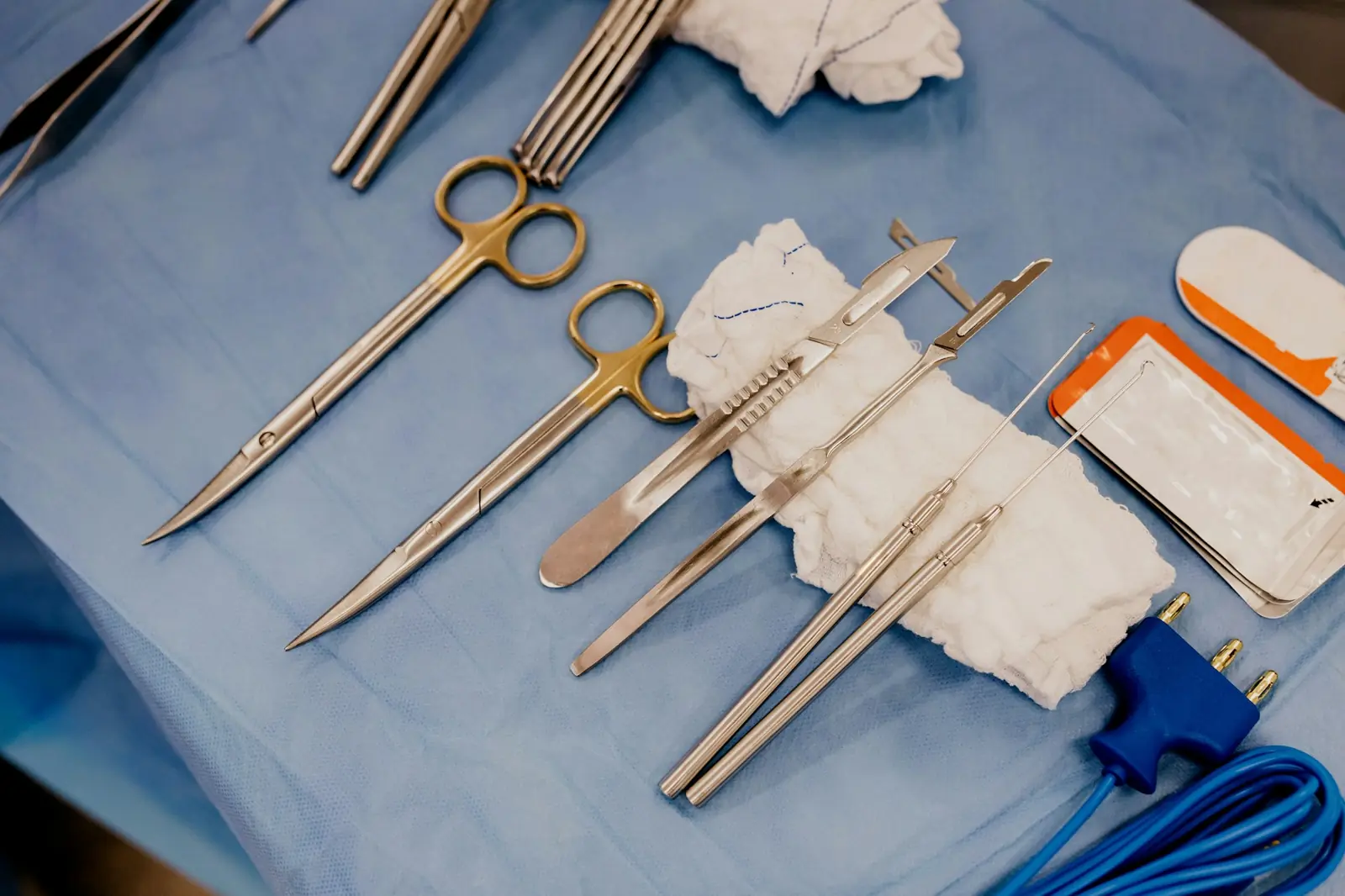
- Removal of the cyst or lipoma through a small incision under local numbing, when appropriate
- Incision and drainage of an inflamed or infected cyst or skin abscess, with packing when needed
- Closure with stitches, staples, or skin glue, and a later visit for suture removal
- Pathology testing of removed tissue when appropriate, with results reviewed with you
An inflamed or infected cyst is usually drained first and allowed to calm down. Full removal of the cyst wall, which lowers the chance it comes back, is often planned for a later visit.
Have questions about your care? New patients age 18 and older are welcome.
Who this care is for
This procedure may be a good fit for adults who have:
- A cyst or lipoma that is growing, tender, or rubs on clothing or a belt
- A lump that keeps getting inflamed or keeps coming back
- A painful, swollen bump that may be an abscess and needs drainage
- A new lump they would like evaluated by their primary care team
When a specialist or imaging center is better
Some lumps are best handled elsewhere. Your provider may recommend a surgeon, dermatologist, or imaging center when a lump is very large, deep, fixed in place, growing quickly, located near the eye, face, or a major blood vessel, or when the exam suggests something other than a simple cyst or lipoma. The team coordinates the referral.
What to expect at your visit
Before the procedure. Tell the team about all medications you take, especially blood thinners or aspirin, and any allergies to numbing medicine, tape, or bandages. Do not stop a medication unless your provider tells you to. Wear clothing that makes the area easy to reach.
During the procedure. The skin is cleaned and numbed with a small injection. Most people feel a quick pinch and then only pressure. Your provider makes a small incision, removes the cyst or lipoma, and closes the skin. Many removals are done during a short visit, and larger ones may be scheduled for their own appointment.
After the procedure. A bandage is placed over the site. You will receive instructions for keeping it clean, changing the dressing, and limiting strain on the area. Mild soreness and bruising for a few days are common. If stitches were placed, a removal visit is scheduled, and your provider reviews any pathology results with you.
New patients age 18 and older are welcome. Appointment availability is determined by the office. Cyst and lipoma removal is one of our office procedures and in office services, alongside minor skin procedures and skin biopsies. To learn which lumps should be checked, read when a cyst, lipoma, or skin lesion needs medical evaluation.
Insurance and coverage
Coverage depends on your plan. Contact the office to verify participation. Plans often treat medically necessary removal differently from removal for appearance, so share the reason for your visit when you call.
Seek urgent care if a lump becomes very painful, red, hot, and swollen, if redness is spreading or you have a fever, or if a procedure site shows pus, red streaks, or bleeding that does not stop with steady pressure.
Frequently asked questions
Can a primary care provider remove a cyst or lipoma?
Yes, many cysts and lipomas can be removed in our office under local numbing. Your provider examines the lump first and recommends a specialist if a different setting is a better fit.
Does cyst or lipoma removal hurt?
The area is numbed first, so most people feel a quick pinch from the injection and then pressure. Mild soreness afterward usually improves within a few days.
Will a cyst come back after removal?
A cyst can return if part of the sac is left behind. Removing the whole cyst wall, often after any inflammation settles, lowers that chance.
Should I squeeze or pop a cyst at home?
It is best not to. Squeezing can push material deeper, cause infection, and make a cyst harder to remove later. Have it checked instead.
Is a lipoma dangerous?
Most lipomas are harmless. A lump that is growing quickly, hard, painful, or fixed in place should be evaluated, and your provider may recommend imaging or a specialist.
Will I have a scar?
Removal leaves a small scar that usually fades over time. Following your aftercare instructions helps the site heal well.
This content is provided for general educational information and is not a substitute for personalized medical advice, diagnosis, or treatment. Medical needs and treatment options vary from person to person. If you have questions about your health or whether a service may be appropriate for you, contact Internal Medicine MD to speak with a member of the care team or schedule an appointment with a qualified medical provider. If you are experiencing a medical emergency, call 911 or seek emergency medical care.
Related care