

An internal medicine doctor focuses on adult health and is a good fit when you notice lasting fatigue, unexplained weight change, a family history of disease, more than one ongoing condition, or a year without a checkup. Our team in Hudson and Trinity can help you sort out what your body is telling you and build a plan.
An internal medicine doctor, also called an internist, cares for adults and looks at the whole body at once. If you are 18 or older and have noticed changes in how you feel, or it has simply been a while since your last checkup, an internist is a strong place to start. Our team sees adults at offices in Hudson and Trinity, and new patients age 18 and older are welcome.
Many adults wait until something feels seriously wrong before they book a visit. Internal medicine works best earlier, when changes are small and there are more options for managing them. Here are five common signs that a visit is a good next step.
1. Fatigue that lasts even with good sleep
Everyone feels tired sometimes. Fatigue that lasts for weeks, even when you sleep well, is worth a closer look. It can be linked to many things, including thyroid changes, low iron or anemia, sleep apnea, blood sugar changes, or side effects from medication.
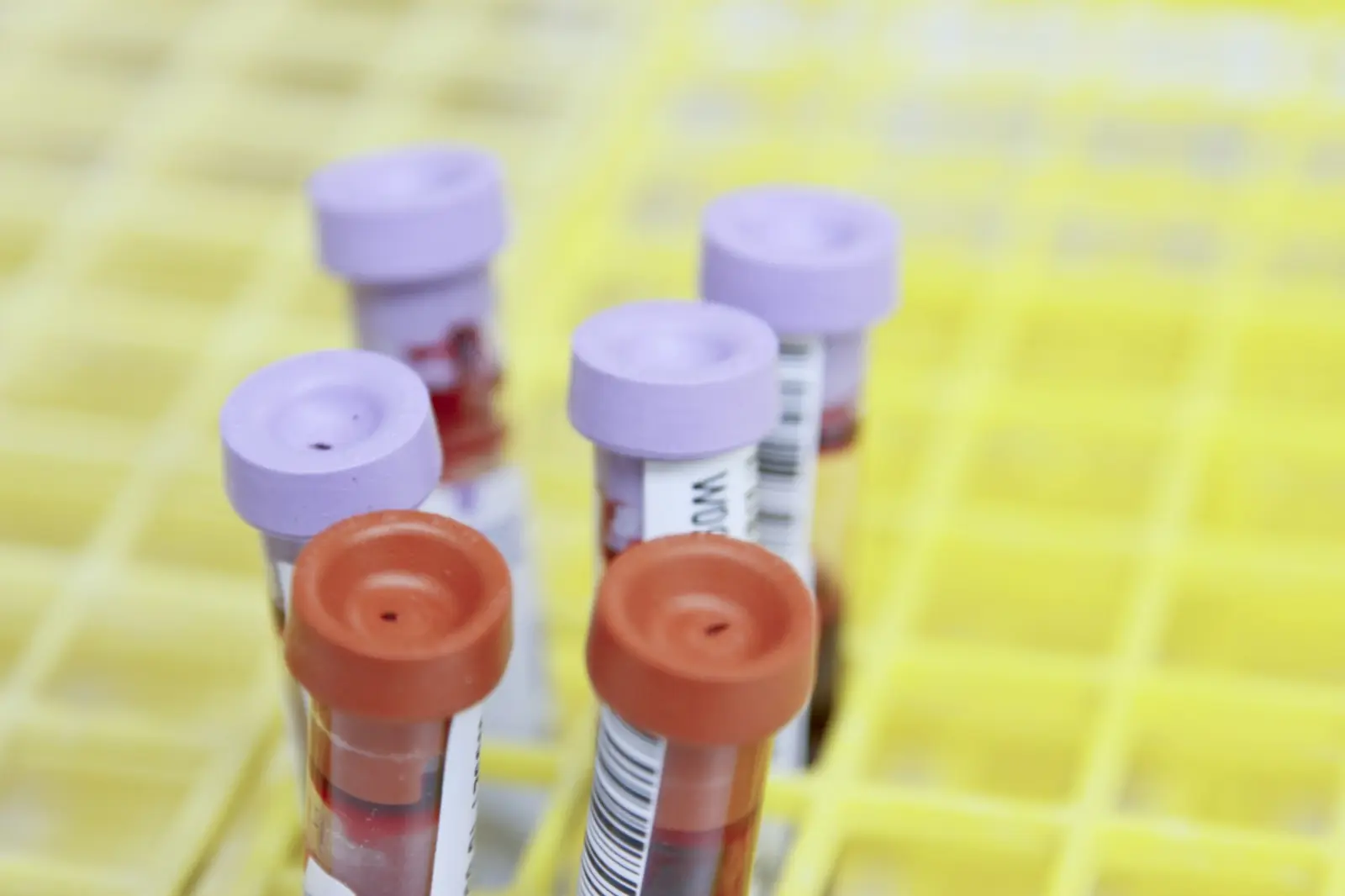
A visit usually starts with a conversation about your sleep, energy, diet, and stress. Your provider may then order basic bloodwork. Our offices draw blood on site, so labs can often be done during the same trip. If your results point to the thyroid, our thyroid care can guide the next steps.
2. Weight change you can't explain
Gaining or losing weight without changing how you eat or how active you are is a signal worth sharing with a provider. Shifts in blood sugar, hormone levels, digestion, or mood can all play a part.
Your provider can review your history, check your vitals, and order labs as needed. From there, you can build a plan together. That plan may include nutrition changes, activity goals, further testing, or a referral to a specialist.
3. A family history you haven't acted on yet
If a parent, brother, or sister has had heart disease, diabetes, stroke, or certain cancers, your own screening plan may need to start earlier or happen more often. Family history is one of the most useful things you can bring to a visit.
An internist can look at your age, your habits, and your family history together, then help you decide which screenings make sense and when. Write down what you know about your relatives' health before your appointment. Even partial information helps.
4. You are managing more than one condition
High blood pressure and high cholesterol often show up together. So do diabetes and kidney changes. When conditions overlap, each one can affect how the others are treated, and a medication change for one can shift another.
This is where internal medicine shines. One team can keep track of your medications, labs, and referrals in a single chart. At our practice, our three providers work as one team and share one chart across our two offices. Learn more about how we approach chronic disease management.
5. It has been more than a year since your last checkup
A yearly visit is the appointment where screenings get scheduled, vaccines get updated, and small concerns get raised early. It is also a chance to review every medication and supplement you take.
If you have Medicare, the Annual Wellness Visit is a yearly prevention planning visit for people with Medicare Part B. It focuses on planning for your health rather than a head to toe exam. Coverage and costs depend on your plan, so call the office to verify before your visit.
What to bring to your first visit
A little preparation helps you get the most from your time with your provider:
- A list of every medication, vitamin, and supplement you take, with doses
- Your insurance card and a photo ID
- Notes on any symptoms: when they started and what makes them better or worse
- What you know about your family's health history
- Your questions, written down so nothing gets missed
Our team speaks English, Spanish, and Arabic, and we are glad to help you feel comfortable from the first phone call.
When to get care right away
Some symptoms need emergency care instead of an office visit.
Call 911 for chest pain or pressure, trouble breathing, sudden weakness or numbness on one side of the body, trouble speaking, sudden confusion, or a severe headache that comes on suddenly.
The bottom line
You don't need a crisis to justify a visit. If any of these signs sound familiar, that is reason enough to talk with a provider. Seeing an internist early gives you more time and more choices for staying well. You can learn more about what our primary care visits include, or read how primary care and internal medicine compare if you are deciding what kind of doctor fits you best.
We welcome new patients at both offices. Call our Hudson office at (727) 605-3000 or our Trinity office at (727) 997-1635, or request an appointment online, and we will help you find a time that works.
This article is general health information from the Internal Medicine MD care team and is not a substitute for advice from your own provider.
 Primary and Preventive Care
 Chronic Disease Management
 Thyroid Disorders
 Medicare Annual Wellness Visit