
Thyroid care in Hudson and Trinity, FL
Thyroid blood testing, diagnosis, and ongoing treatment for an underactive or overactive thyroid.
 Medically reviewed by Dr. John Hanna, MDBoard certified internal medicine · September 29, 2026
Thyroid care helps adults diagnose and manage an underactive thyroid (hypothyroidism) or an overactive thyroid (hyperthyroidism). It includes thyroid blood tests drawn in office, a review of symptoms and medications, treatment such as daily thyroid hormone replacement when needed, regular monitoring and dose adjustment, and coordination with endocrinology for more complex cases.
Ready to schedule? Most new patients are seen within a week.
Thyroid care is the diagnosis and ongoing management of conditions that affect the thyroid, a small gland in the front of the neck that helps control energy, heart rate, body temperature, and metabolism. At our Hudson and Trinity offices, Internal Medicine MD cares for adults with an underactive thyroid (hypothyroidism), an overactive thyroid (hyperthyroidism), and abnormal thyroid blood tests. Most thyroid conditions are very treatable, and many people feel much better once their levels are in range.
What thyroid care includes
Thyroid problems often develop slowly, and the symptoms can be easy to mistake for other things. A simple blood test is usually the first step.
- Thyroid blood tests drawn in office, such as TSH and free T4, with other tests when needed
- A review of symptoms, medical history, family history, and current medications
- Treatment planning based on your results and how you feel
- Regular lab monitoring and dose adjustment
- Evaluation of a neck lump or enlarged thyroid, including ultrasound when appropriate
- Coordination with endocrinology for more complex cases
Hypothyroidism means the thyroid makes too little hormone. Common signs include tiredness, feeling cold, weight gain, dry skin, constipation, and low mood. It is usually treated with a daily thyroid hormone replacement pill, and the dose is adjusted based on follow up blood tests.
Hyperthyroidism means the thyroid makes too much hormone. Common signs include a fast or pounding heartbeat, weight loss, shakiness, feeling hot, trouble sleeping, and anxiety. Treatment may include medication to calm symptoms and to lower hormone levels. Some people are referred to an endocrinologist to discuss other treatment options.
What to expect at your visit
Your provider will ask about your symptoms, energy, weight, sleep, heart rate, and any family history of thyroid disease. Bring a list of every medication and supplement you take. Some supplements, including biotin, can affect thyroid lab results, so tell your provider if you use them.
Blood can be drawn during the visit through our in office blood draw and lab services. Once results are back, your provider explains what they mean and what comes next. If you start thyroid medication, you will usually have repeat blood tests after several weeks to check the dose. Once your levels are stable, testing is often spaced out to once or twice a year.
Thyroid hormone replacement works best when taken the same way each day. Many people take it on an empty stomach, apart from calcium, iron, and some other supplements. Your provider will give you instructions that fit your routine.
Have questions about your care? Most new patients are seen within a week.
Who this care is for
This care is for adults with a known thyroid condition, symptoms that may point to a thyroid problem, an abnormal thyroid blood test, or a neck lump found on exam. It also supports people who take thyroid medication and want their levels monitored as part of regular primary care. Thyroid follow up visits and result reviews can often be done by telehealth.
Insurance and coverage
Thyroid visits and medically necessary lab testing are commonly covered by Medicare and many commercial plans. Participation varies by plan and office, so please call to verify your coverage.
Call 911 for a very fast or irregular heartbeat with chest pain, fainting, severe confusion, high fever with agitation, or trouble breathing.
Frequently asked questions
What blood tests check thyroid function?
The most common first test is TSH (thyroid stimulating hormone). Your provider may also check free T4, and sometimes T3 or thyroid antibodies, depending on your symptoms and results.
Can thyroid problems cause weight changes?
Yes. An underactive thyroid can contribute to weight gain, and an overactive thyroid can cause weight loss. Treating the thyroid condition often helps, along with other steps your provider may recommend.
Is hypothyroidism a lifelong condition?
For many people it is, and daily thyroid hormone replacement is taken long term. Regular blood tests help keep the dose right as your needs change.
How long does thyroid medication take to work?
Many people start to feel better within a few weeks, though finding the right dose can take a few rounds of blood tests. Your provider will schedule follow up testing to adjust treatment.
Do I need to see an endocrinologist for a thyroid problem?
Many thyroid conditions are managed well in primary care. Your provider may refer you to an endocrinologist for hyperthyroidism, thyroid nodules, or other complex cases.
Related care
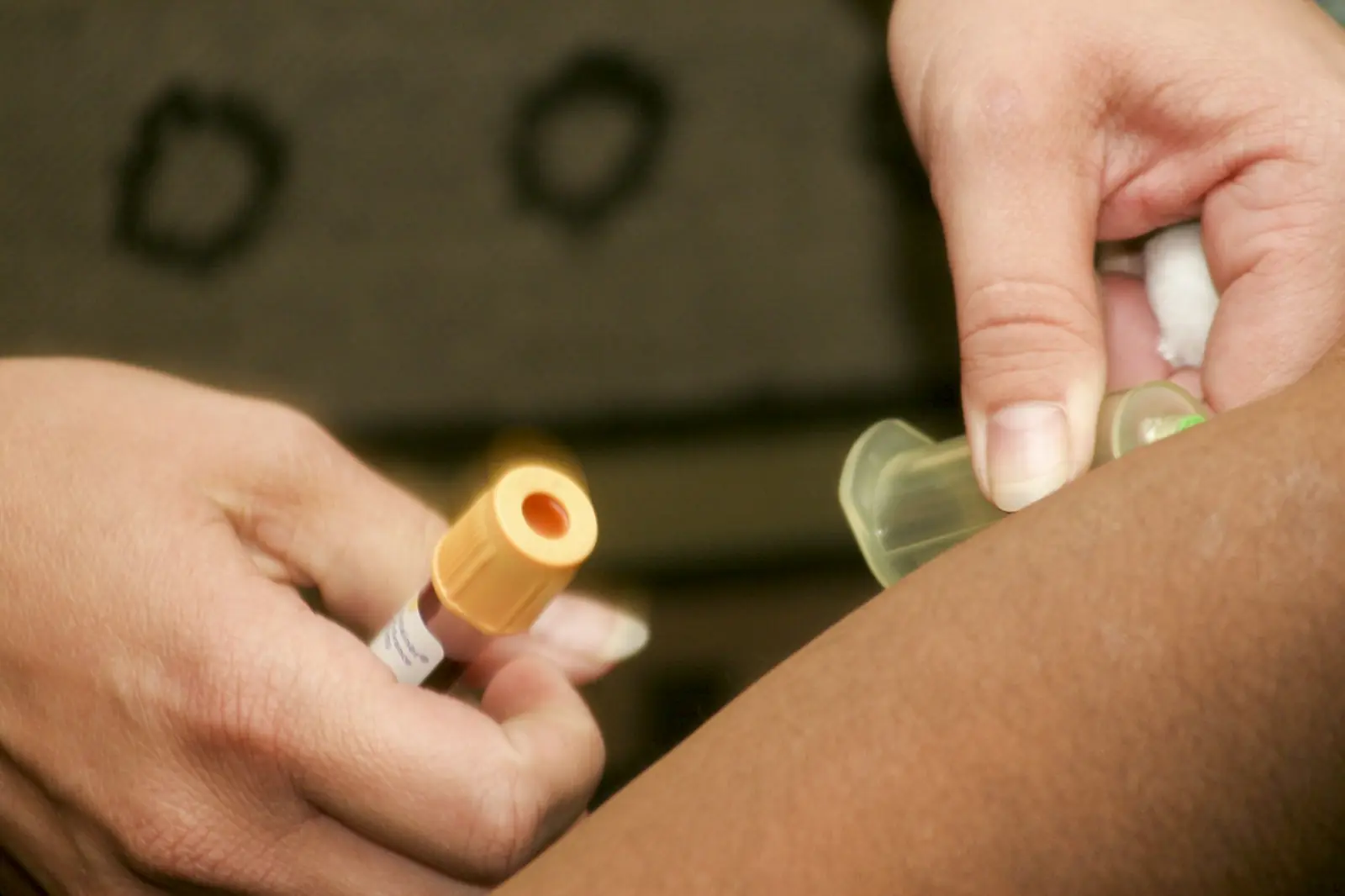 In Office Blood Draws and Lab WorkConvenient blood draws during your visit, with results sent to your provider and available in your patient portal.
 Ultrasound ImagingComfortable, radiation free imaging in our office, coordinated directly with your care plan.
 Medical Weight ManagementA medically guided weight plan built around your health, your routine, and your goals.
 Chronic Disease ManagementOne team and one plan for adults living with several ongoing health conditions at the same time.