
Pulmonary function testing in Hudson and Trinity, FL
Simple in office breathing tests that help diagnose and manage asthma, COPD, and other lung conditions.
 Medically reviewed by Dr. John Hanna, MDBoard certified internal medicine · September 29, 2026
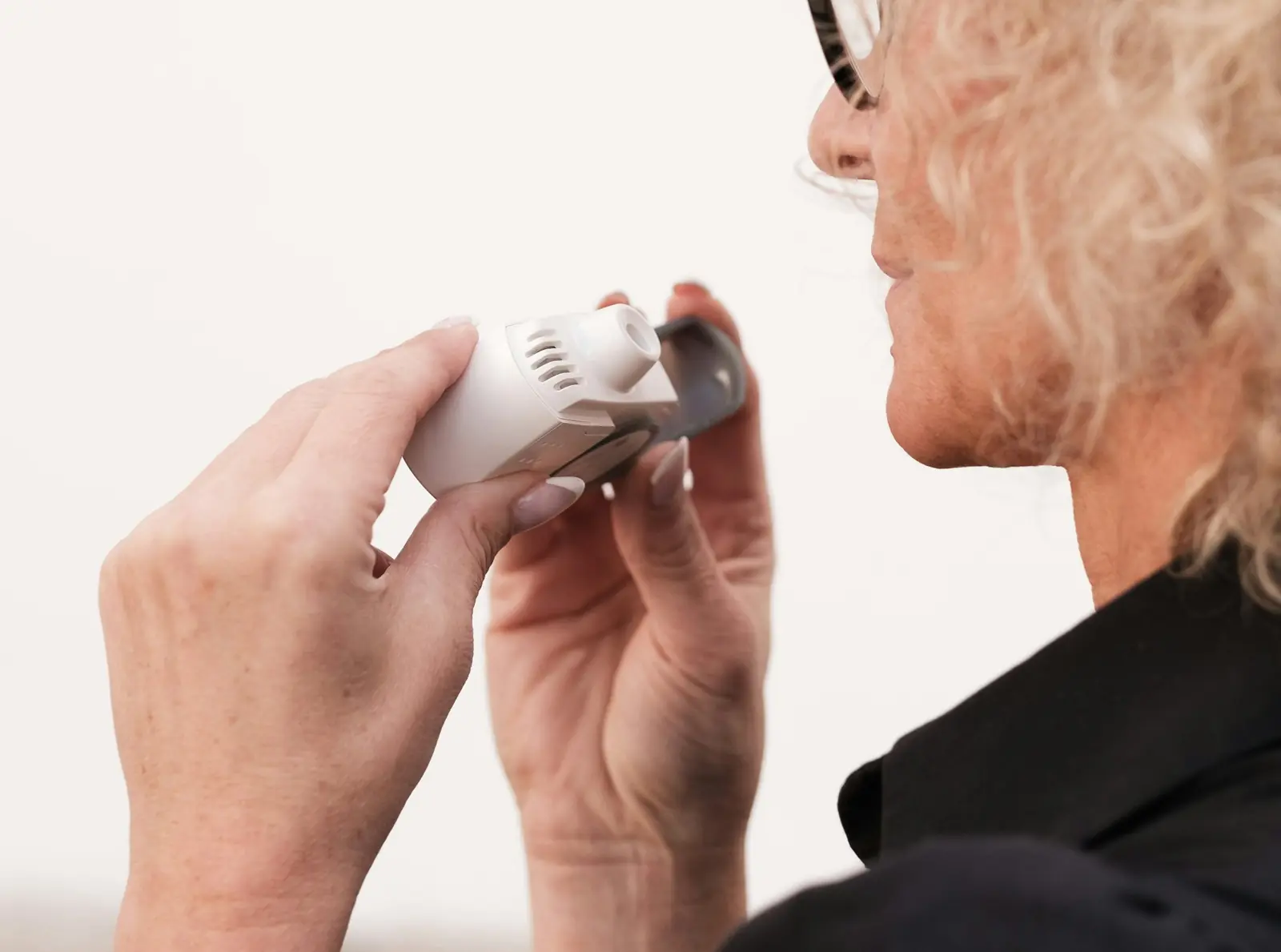
Pulmonary function testing (PFT) measures how well your lungs move air in and out. Our Hudson and Trinity offices offer in office breathing tests for adults with shortness of breath, chronic cough, wheezing, a smoking history, or known asthma or COPD. Results help your provider confirm a diagnosis, track changes over time, and fine tune inhaler and medication plans.
Ready to schedule? New patients age 18 and older are welcome.
Pulmonary function tests, often called PFTs or breathing tests, measure how well your lungs work. Our Hudson and Trinity offices offer pulmonary function testing in office for adult patients. These simple tests help your provider diagnose conditions such as asthma and COPD, track how your lungs change over time, and adjust inhaler and medication therapy so breathing feels easier day to day.
What pulmonary function testing includes
The most common breathing test is spirometry. You breathe into a mouthpiece connected to a machine that measures how much air you can breathe in and out, and how quickly you can push air out. These numbers are compared with expected values for someone of your age, height, and sex.
Pulmonary function testing can help your provider:
- Diagnose asthma, COPD, and other conditions that affect breathing
- Tell the difference between types of breathing problems
- See whether airways open up after an inhaled medication
- Track changes in lung function over months and years
- Check how well your current treatment plan is working
Testing also supports inhaler technique coaching, since correct technique helps medication reach the lungs. Your results guide a treatment plan matched to your lung function, as part of your ongoing COPD and asthma care.
What to expect at your visit
Before the test: The team will tell you whether to hold any inhalers or breathing medications before the test, and for how long. Do not stop any medication unless you are told to. Avoid smoking, heavy meals, and hard exercise shortly before the test. Wear loose, comfortable clothing so you can breathe deeply.
During the test: You sit upright and wear a soft clip on your nose so air only moves through your mouth. A team member guides you through each breathing maneuver, such as taking a deep breath and blowing out as hard and fast as you can. You will repeat each step a few times to get accurate results. Your provider may also ask you to use an inhaled medication and then repeat the test to see how your airways respond.
After the test: Some people feel briefly tired or lightheaded from the deep breathing, which passes quickly. You can return to normal activities afterward. Your provider reviews the results with you, explains what they mean, and discusses any changes to your treatment plan. Results are available in the patient portal.
Have questions about your care? New patients age 18 and older are welcome.
Who this care is for
Pulmonary function testing is for adults who:
- Have shortness of breath with activity or at rest
- Have a cough that lasts for weeks or keeps coming back
- Notice wheezing or chest tightness
- Have a history of smoking
- Live with asthma or COPD and want to track their lung health
- Need a lung function check before certain procedures
Breathing symptoms can sometimes involve the heart as well as the lungs, so your provider may also recommend an EKG. If you live with several conditions, testing can be part of your broader chronic disease management.
Insurance and coverage
Pulmonary function testing is commonly covered by Medicare and many commercial plans when it is medically needed. Coverage depends on your plan and the reason for the test. Please call the office to verify your coverage before your visit.
Call 911 for severe trouble breathing, lips or fingertips turning blue, chest pain, or breathing that does not improve with your rescue inhaler. These symptoms need emergency care.
Frequently asked questions
What is a pulmonary function test?
It is a group of simple breathing tests that measure how well your lungs move air in and out. Spirometry, where you breathe into a mouthpiece, is the most common one.
How long does a pulmonary function test take?
Spirometry is usually done within a single visit. Timing depends on whether your provider also checks your response to an inhaled medication.
Should I use my inhaler before a breathing test?
Follow the instructions the team gives you. Some inhalers may need to be held before the test, and you should not stop any medication unless you are told to.
Does a pulmonary function test hurt?
No. The test is not painful. Some people feel briefly tired or lightheaded from breathing out forcefully, and this passes quickly.
Can a breathing test diagnose asthma or COPD?
Pulmonary function testing is a key part of diagnosing asthma and COPD. Your provider combines the results with your symptoms, history, and exam to confirm a diagnosis.
Related care
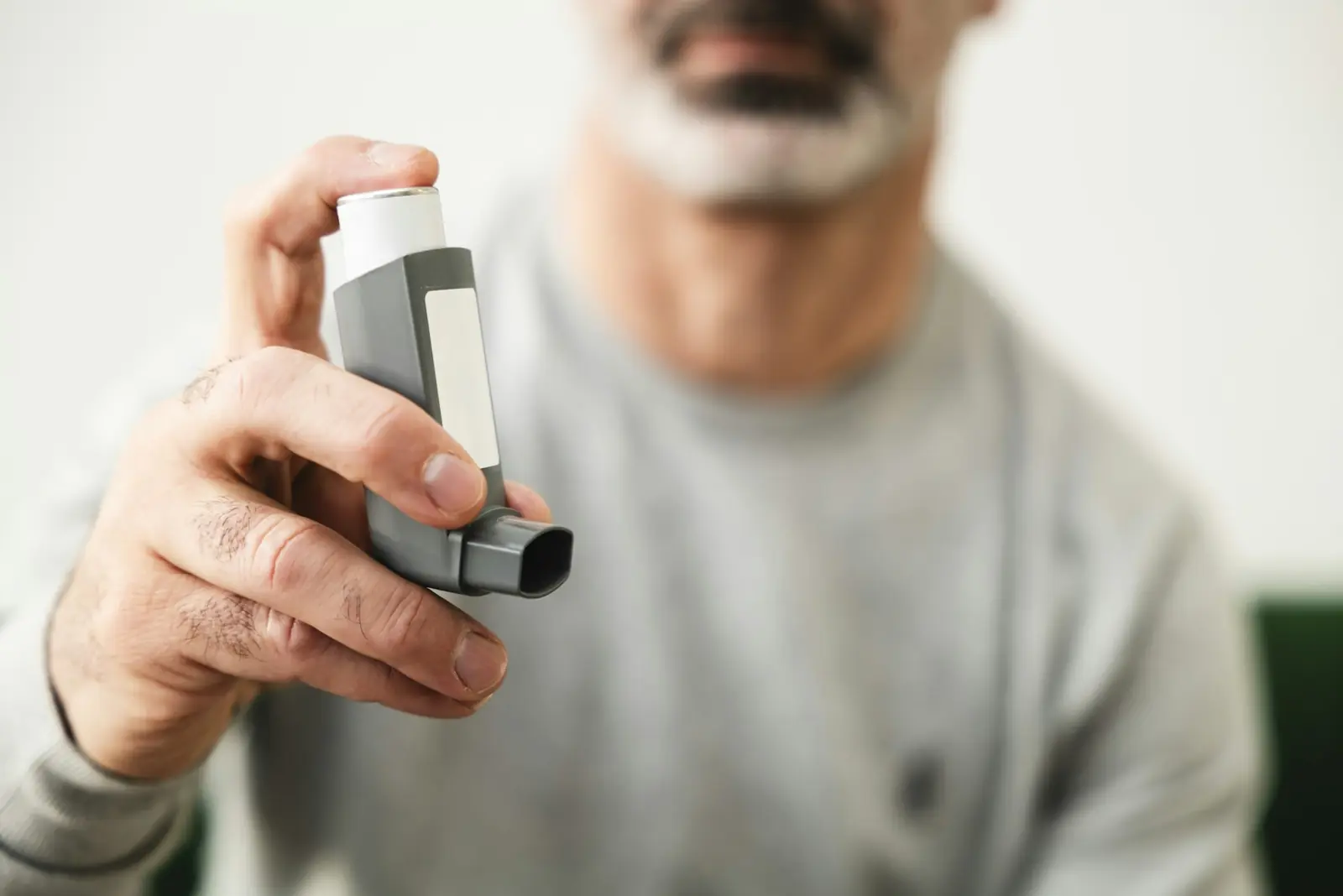 COPD and Asthma CareBreathing tests, inhaler guidance, and a clear action plan to help you breathe easier day to day.
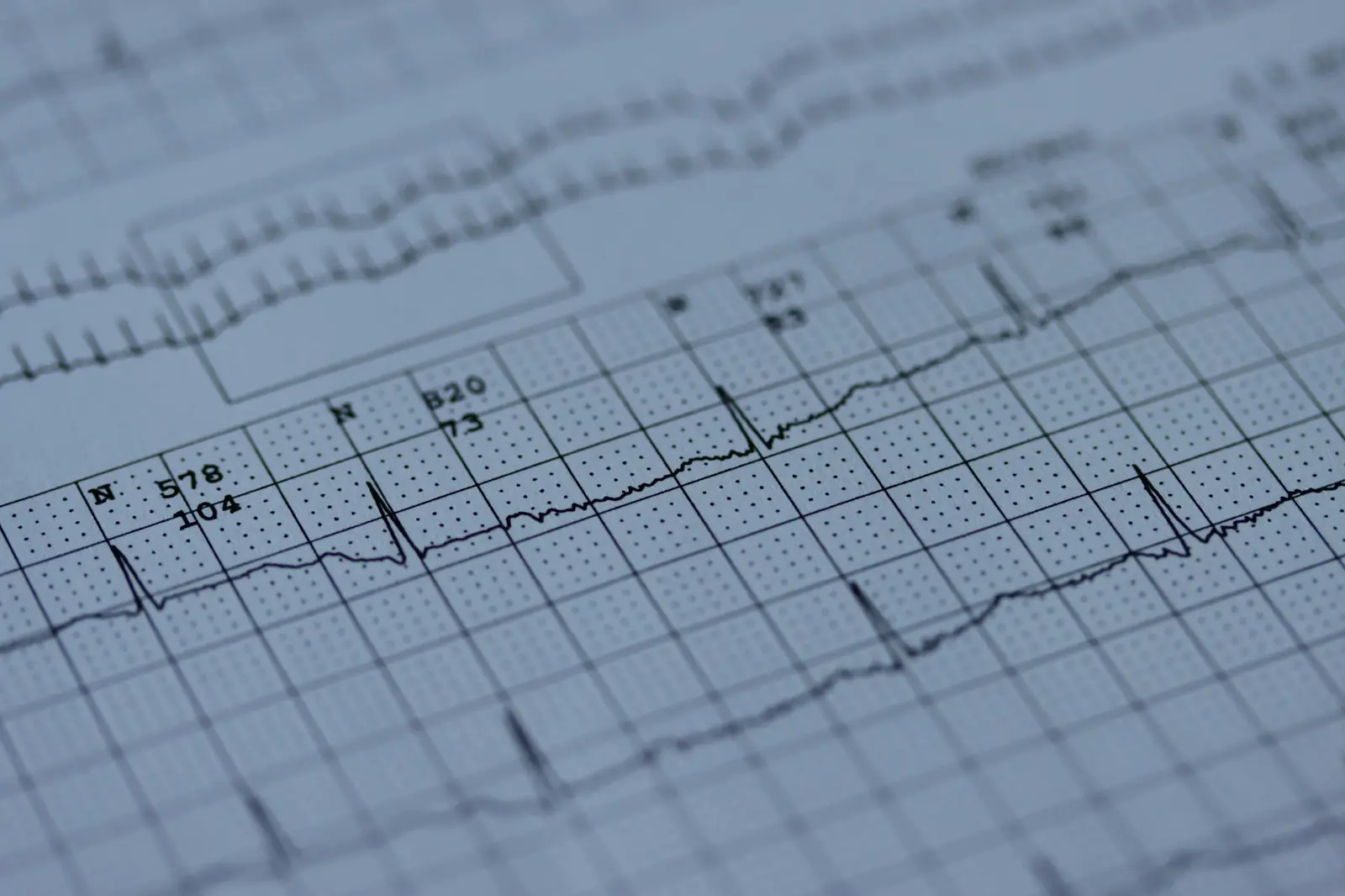 EKG TestingA quick, painless in office heart test, with results reviewed by your provider during the same visit.
 Chronic Disease ManagementOne team and one plan for adults living with several ongoing health conditions at the same time.
 Primary and Preventive CareOne medical home for adults, with preventive visits, ongoing health management, and clear follow through from a team that knows your history.