
COPD and asthma care in Hudson and Trinity, FL
Breathing tests, inhaler guidance, and a clear action plan to help you breathe easier day to day.
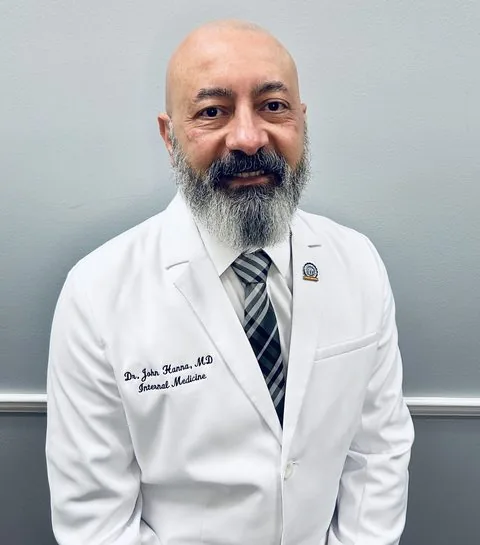 Medically reviewed by Dr. John Hanna, MDBoard certified internal medicine · September 29, 2026
COPD and asthma care is ongoing treatment for adults with chronic lung conditions that affect breathing. It includes in office pulmonary function testing, a review of symptoms and triggers, inhaler selection and technique coaching, a written action plan for flare ups, vaccine review, support for quitting tobacco, and coordination with pulmonology when needed.
Ready to schedule? Most new patients are seen within a week.
COPD and asthma care is ongoing treatment for adults who live with chronic lung conditions. COPD (chronic obstructive pulmonary disease) includes emphysema and chronic bronchitis. Asthma causes the airways to swell and tighten, often in response to triggers. At our Hudson and Trinity offices, Internal Medicine MD helps adults with both conditions breathe more comfortably, stay active, and plan ahead for flare ups.
What COPD and asthma care includes
Good lung care starts with an accurate diagnosis and a plan you can follow every day.
- In office pulmonary function testing to measure how well your lungs move air
- A review of symptoms, triggers, activity level, and past flare ups
- Inhaler and medication selection based on your diagnosis and needs
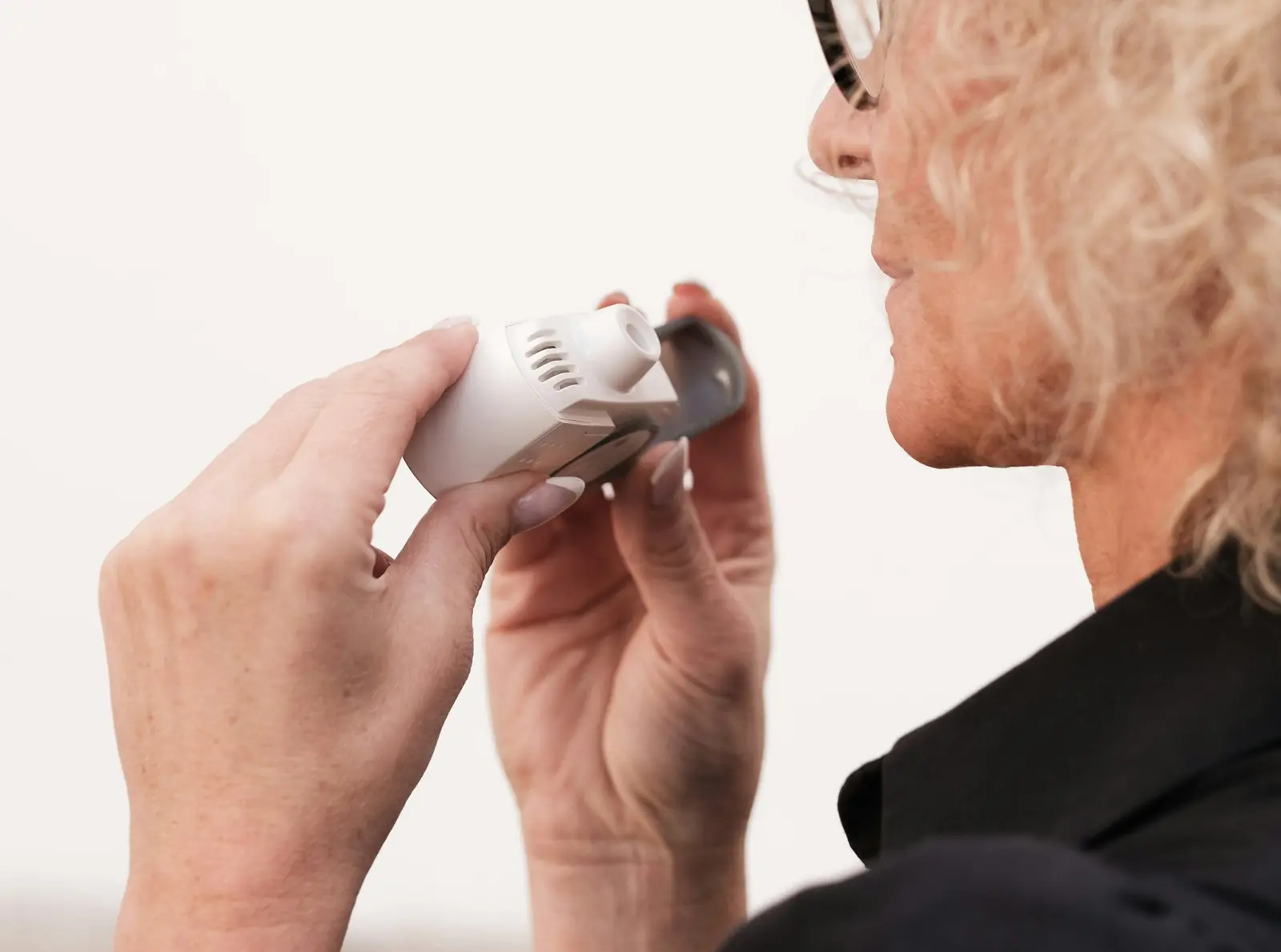
- Inhaler technique coaching, since correct use helps medicine reach the lungs
- A written action plan for what to do when symptoms change
- A review of recommended vaccines for adults with lung conditions
- Support for quitting tobacco, including options to discuss with your provider
- Referral and coordination with pulmonology or pulmonary rehabilitation when helpful
COPD and asthma share some symptoms, such as cough, wheezing, and shortness of breath, but they are treated differently. Some adults have features of both. Breathing tests help your provider tell them apart and choose the right treatment.
What to expect at your visit
Your first visit includes a review of your breathing history, symptoms, triggers, work and home exposures, tobacco history, and any past hospital visits for breathing problems. Bring all of your inhalers and other medications, including ones you use only sometimes. Your provider may ask you to show how you use each inhaler.
If breathing tests are needed, pulmonary function testing can be done in office. You will breathe into a tube connected to a machine, sometimes before and after using a rescue inhaler. Your provider will tell you if you should skip any inhalers before the test.
After your evaluation, you will receive a treatment plan that may include a daily controller medicine, a rescue inhaler, and steps for handling flare ups. Follow up visits check how often you have symptoms, how well your medicines are working, and how active you are able to be. Treatment is adjusted over time as your needs change. Some follow up visits can be done by telehealth.
Helpful daily habits include taking controller medicine as prescribed, avoiding smoke and known triggers, staying active within your comfort level, and keeping your rescue inhaler with you.
Have questions about your care? Most new patients are seen within a week.
Who this care is for
This care is for adults with COPD, asthma, or long lasting symptoms such as cough, wheezing, chest tightness, or shortness of breath with activity. It also supports people who have had recent flare ups, people who use a rescue inhaler often, and current or former smokers who want their lungs checked. Adults with COPD or asthma and another chronic condition may also qualify for Chronic Care Management.
Insurance and coverage
COPD and asthma visits and medically necessary breathing tests are commonly covered by Medicare and many commercial plans. Coverage for inhalers and other medications varies. Please call to verify your coverage.
Call 911 for severe trouble breathing, trouble speaking in full sentences, blue or gray lips or fingertips, confusion, or a rescue inhaler that is not helping.
Frequently asked questions
What is the difference between COPD and asthma?
Asthma causes airway swelling and tightening that often comes and goes with triggers. COPD is a long term lung condition, usually linked to smoking or other exposures, that makes it harder to move air out of the lungs.
How is COPD diagnosed?
COPD is usually diagnosed with a breathing test called spirometry, part of pulmonary function testing, along with a review of your symptoms and history. This testing is available in office.
Am I using my inhaler correctly?
Many people benefit from a quick technique check. Bring your inhalers to your visit, and your provider can watch you use them and offer tips.
What vaccines are recommended for people with COPD or asthma?
Adults with lung conditions are often advised to stay current on vaccines such as flu and pneumonia vaccines, along with others based on age and health. Your provider will review which ones are right for you.
Can adults develop asthma later in life?
Yes. Asthma can begin at any age, including in older adults. Breathing tests help confirm the diagnosis and guide treatment.
Related care
 Pulmonary Function TestingSimple in office breathing tests that help diagnose and manage asthma, COPD, and other lung conditions.
 Chronic Disease ManagementOne team and one plan for adults living with several ongoing health conditions at the same time.
 Primary and Preventive CareOne medical home for adults, with preventive visits, ongoing health management, and clear follow through from a team that knows your history.
 Chronic Care ManagementOngoing support between visits for adults living with two or more long term health conditions.