
Osteoporosis and bone health care in Hudson and Trinity, FL
Screening, treatment, and fall prevention to help keep your bones strong and you active.
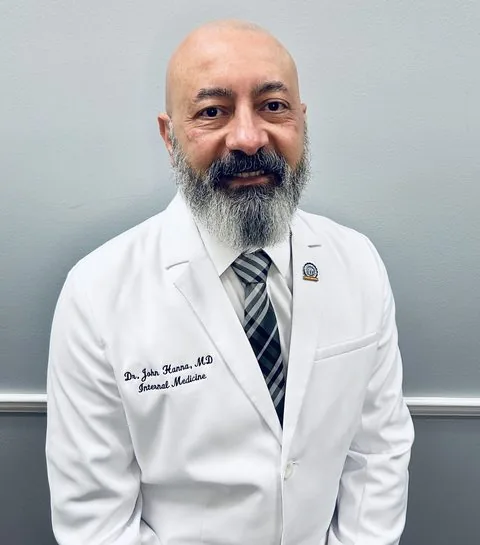 Medically reviewed by Dr. John Hanna, MDBoard certified internal medicine · September 29, 2026
Osteoporosis care helps adults keep their bones strong and lower the chance of fractures. It includes a bone health risk review, bone density testing ordered through an imaging center, lab work when needed, guidance on calcium, vitamin D, and exercise, treatment options discussed with your provider, and fall prevention planning for home and daily life.
Ready to schedule? Most new patients are seen within a week.
Osteoporosis and bone health care helps adults keep their bones strong and stay active and independent. Osteoporosis is a condition in which bones become thinner and more likely to break, often without any symptoms until a fracture happens. At our Hudson and Trinity offices, Internal Medicine MD offers bone health screening, treatment planning, and fall prevention guidance for adults at every stage.
What bone health care includes
Bone health involves both the strength of your bones and the steps that help prevent falls.
- A review of your risk factors, including age, family history, past fractures, medications, and habits
- Bone density testing (often called a DXA scan) ordered through an imaging center when appropriate
- Lab work drawn in office through our blood draw services, such as vitamin D and calcium levels
- Guidance on calcium, vitamin D, and protein through food and supplements when needed
- Weight bearing and strength exercises matched to your ability
- Treatment options discussed with your provider when bone density is low
- Fall prevention planning, including balance, vision, footwear, home safety, and medication review
- Regular follow up and repeat testing when recommended
Many adults with low bone density have a condition called osteopenia, which means bones are thinner than normal but not yet in the osteoporosis range. Healthy habits and regular monitoring can help at this stage.
What to expect at your visit
Your provider will ask about your health history, any past fractures, height loss, family history of osteoporosis or hip fracture, and medications that can affect bone strength. Bring a list of every medication and supplement you take, including calcium and vitamin D.
If a bone density test is recommended, your provider will order it at an imaging center and review the results with you. The test is quick and painless. You lie on a table while a scanner measures bone density, usually at the hip and spine.
Based on your results and risk, your provider will explain your options. Many people start with nutrition, exercise, and fall prevention steps. When fracture risk is higher, prescription medication may be recommended, and your provider will explain how it works and what monitoring is needed.
Fall prevention is an important part of bone health. Your provider may review medications that can cause dizziness, check your balance and walking, and suggest simple changes at home such as better lighting, grab bars, and removing loose rugs.
Bone health can also be reviewed as part of your Medicare Annual Wellness Visit, where fall risk is often discussed.
Have questions about your care? Most new patients are seen within a week.
Who this care is for
This care is for adults who want to protect their bone health, especially women after menopause and older men. It is also helpful for people with a past fracture from a minor fall, a family history of osteoporosis, long term use of certain medications such as steroids, or conditions that affect bone strength. It supports people with a recent osteoporosis diagnosis who want a clear plan as part of their primary care.
Insurance and coverage
Bone density testing is often covered by Medicare for people who meet certain criteria, and many commercial plans cover it as well. Coverage for visits, lab work, and medications varies by plan. Please call to verify your benefits.
Seek urgent care after a fall if you have severe pain, cannot put weight on a leg, notice a limb that looks out of shape, or hit your head. Call 911 for a head injury with confusion, vomiting, or loss of consciousness.
Frequently asked questions
Who should get a bone density test?
Screening is commonly recommended for women 65 and older and for younger women and men with risk factors. Your provider will review your history and let you know if testing is right for you.
Can osteoporosis be reversed?
Treatment can often improve bone density and lower the chance of fractures. Your provider will explain which options fit your health and goals.
How much calcium and vitamin D do I need?
Needs vary by age and health. Your provider may check your vitamin D level and recommend amounts from food and supplements that are right for you.
What exercises are good for bone health?
Weight bearing activities such as walking, along with strength and balance exercises, can support bone health. Your provider can suggest options that match your ability.
How can I prevent falls at home?
Helpful steps include good lighting, removing loose rugs, installing grab bars, wearing supportive shoes, and reviewing medications that cause dizziness. Regular vision checks and balance exercises can also help.
Related care
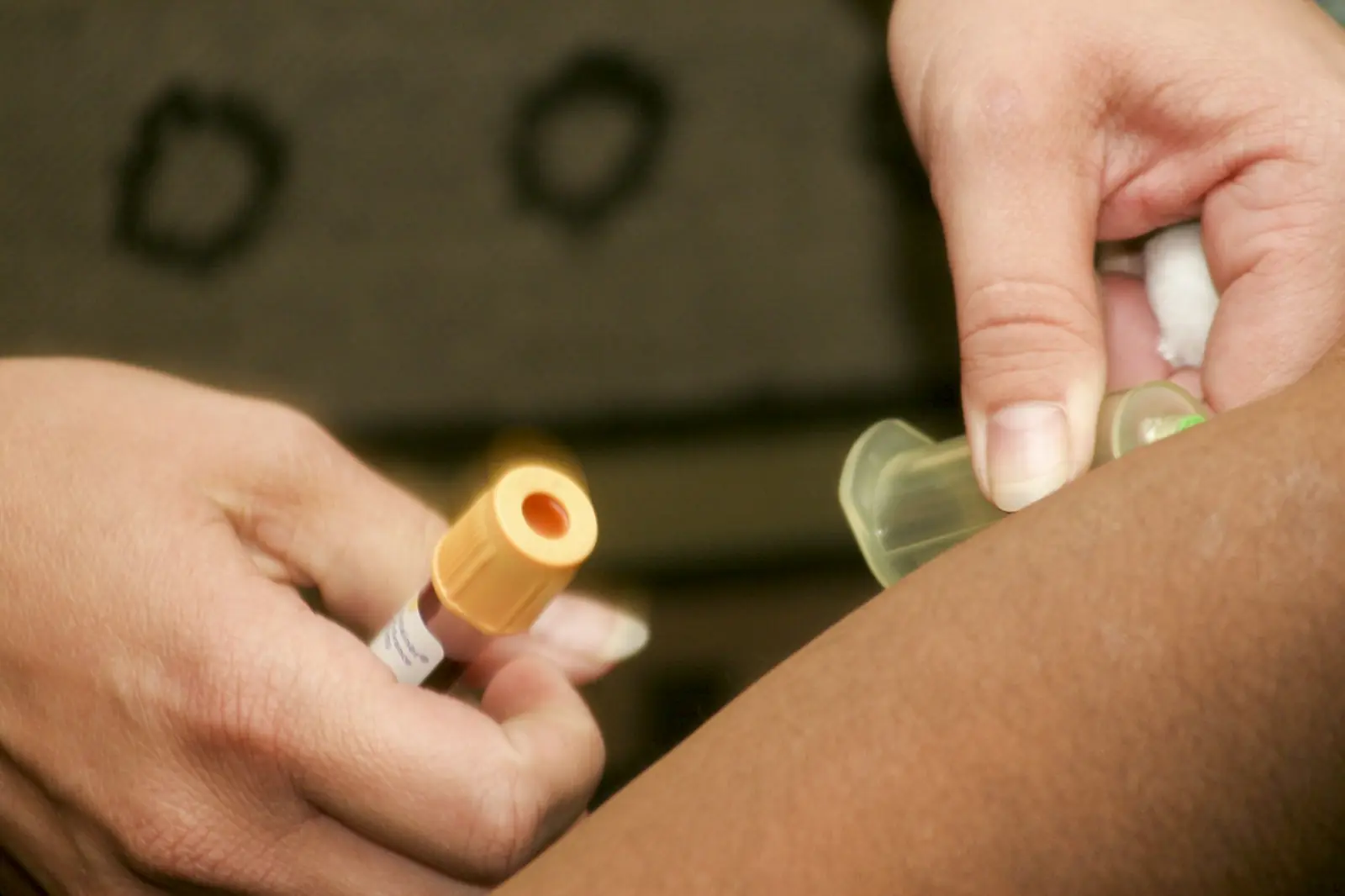 In Office Blood Draws and Lab WorkConvenient blood draws during your visit, with results sent to your provider and available in your patient portal.
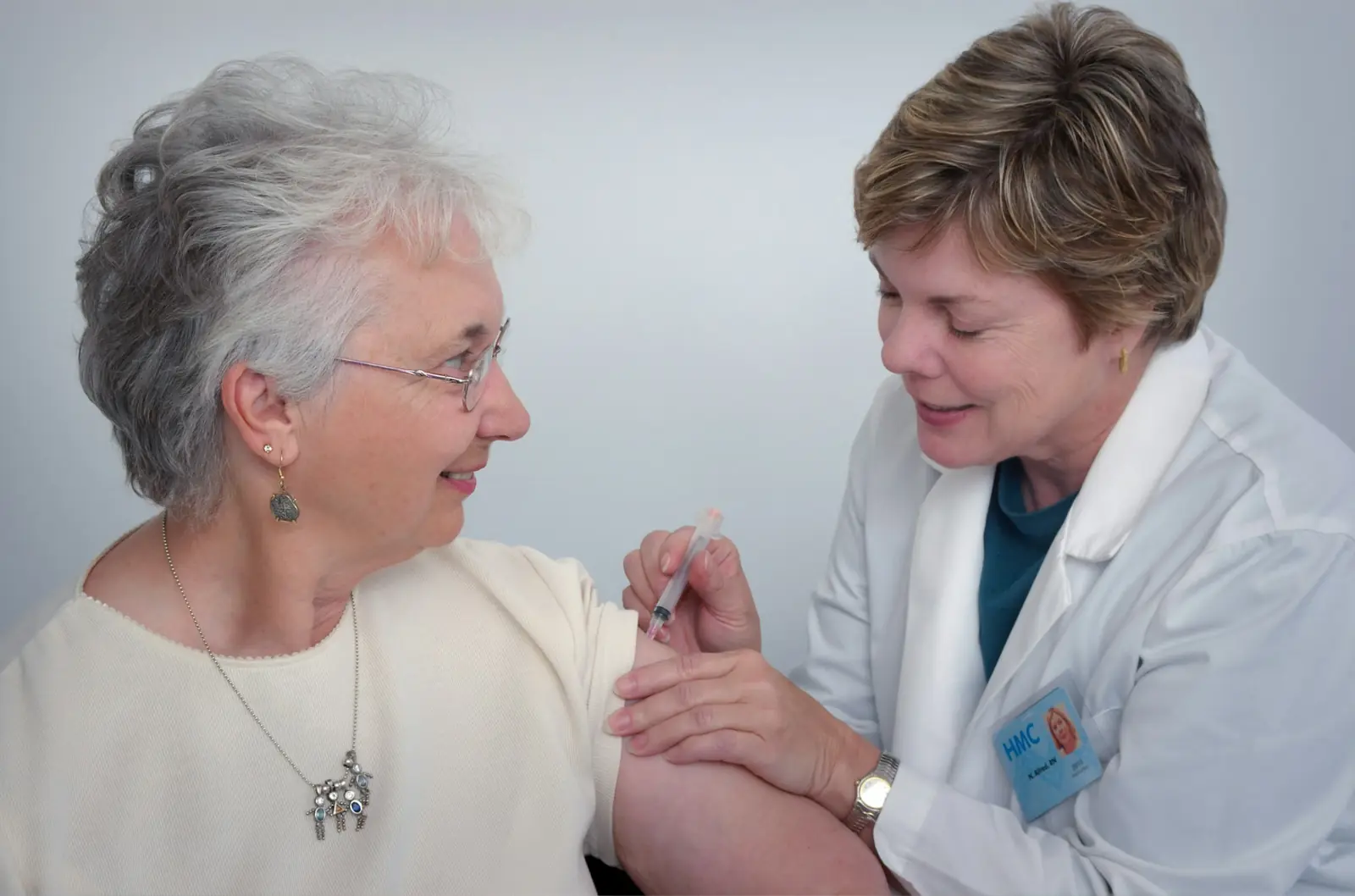 Primary and Preventive CareOne medical home for adults, with preventive visits, ongoing health management, and clear follow through from a team that knows your history.
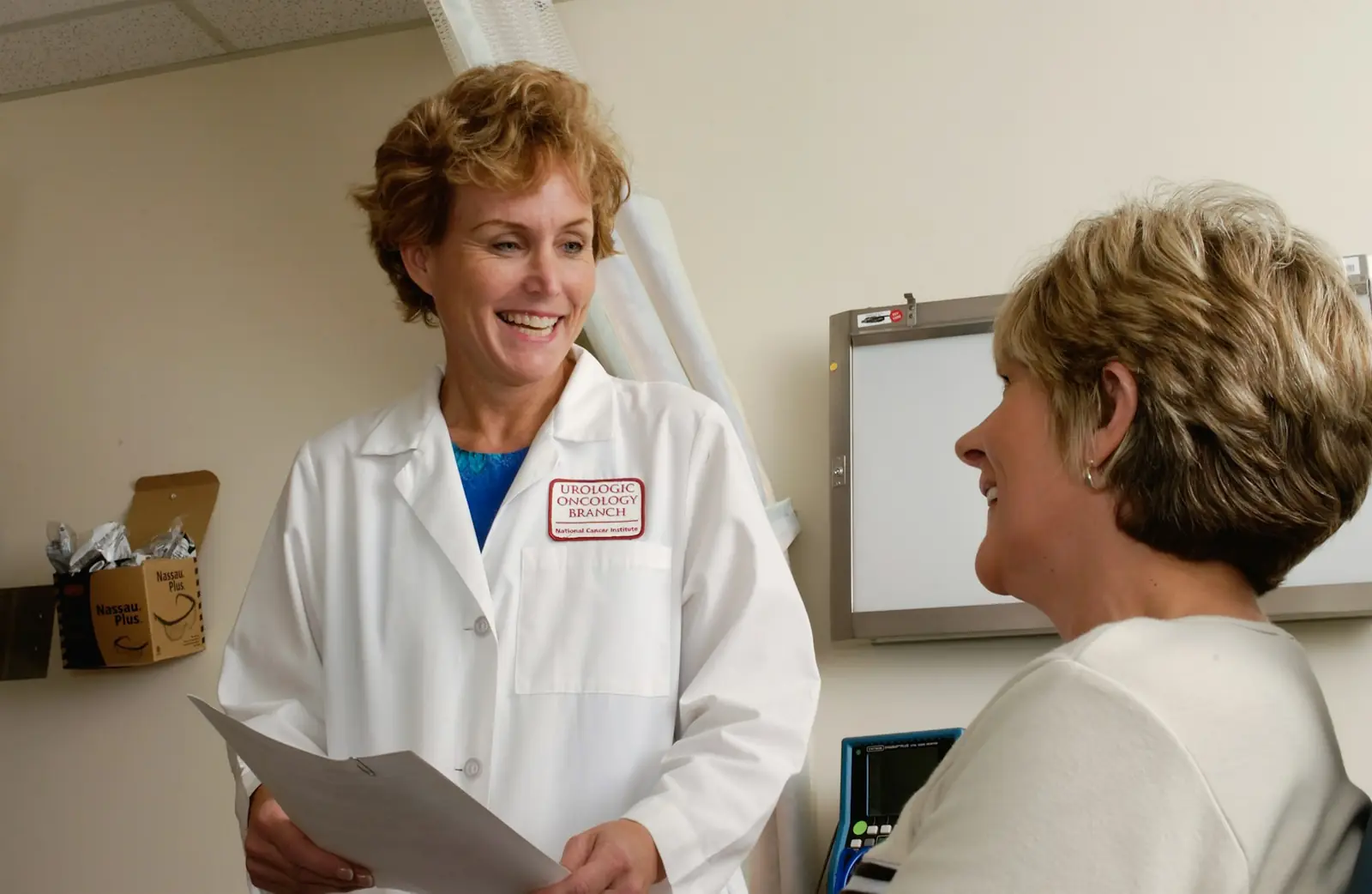 Medicare Annual Wellness VisitA yearly Medicare visit focused on planning your preventive care, reviewing your health, and setting goals for the year ahead.
 Chronic Disease ManagementOne team and one plan for adults living with several ongoing health conditions at the same time.