Ingrown toenail removal near Trinity and Hudson, FL
Relief for painful or recurring ingrown toenails with partial or complete nail removal under local numbing, from the team that knows your health history.

Ingrown toenail removal is an office procedure for adults whose toenail edge has grown into the skin, causing pain, redness, swelling, or infection. After the toe is numbed, the ingrown part of the nail (partial nail avulsion) or the whole nail (complete nail avulsion) is removed, and you go home with aftercare instructions. People with diabetes, neuropathy, or poor circulation are evaluated carefully and may be referred to podiatry. Availability can vary by procedure, provider and scheduling. Contact the office to confirm the appropriate location for your appointment.
- Visit type
- Office procedure
- Numbing
- Local injection at the base of the toe
- Most common
- Partial nail removal
- Afterward
- Roomy shoes and daily care for a few days
- Extra care
- Diabetes or poor circulation
Ready to schedule? New patients age 18 and older are welcome.
An ingrown toenail happens when the edge of a nail grows into the surrounding skin. It can cause pain, redness, swelling, drainage, and sometimes infection, most often on the big toe. Adults 18 and older can have an ingrown toenail evaluated and treated in the office by our primary care team, often with a partial nail removal under local numbing. Availability can vary by procedure, provider and scheduling. Contact the office to confirm the appropriate location for your appointment.
What ingrown toenail care includes
- An exam of the toe, including a check for infection, circulation, and feeling in the foot
- Numbing of the toe with a local injection (a digital block)
- Partial nail avulsion, removing only the ingrown edge of the nail
- Complete nail avulsion, removing the whole nail when it is badly damaged or ingrown on both sides
- Treatment of the nail edge to make regrowth into the skin less likely when the problem keeps coming back
- Drainage of a small pocket of pus when one is present
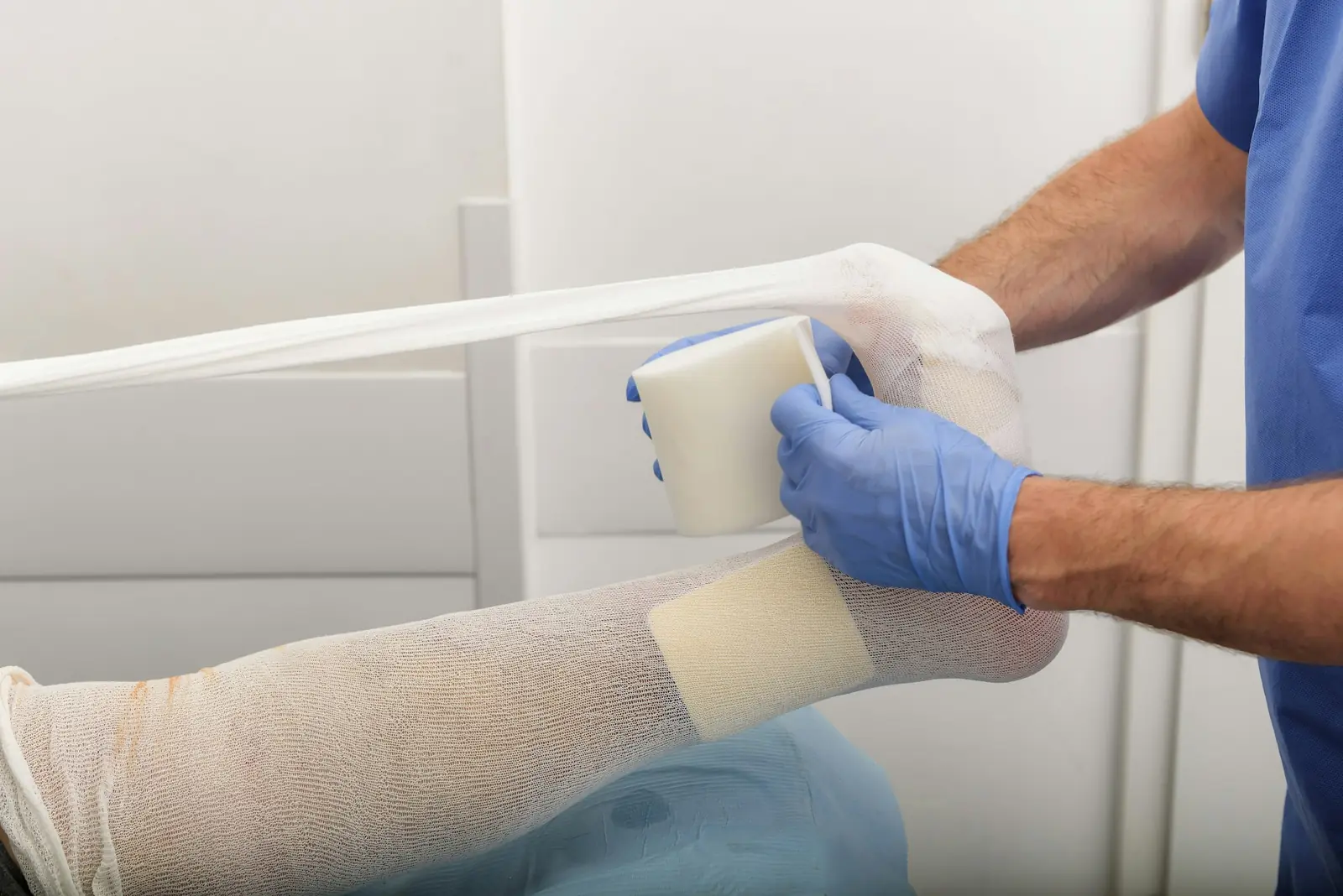
- A dressing, written aftercare instructions, and a follow up check
Signs an ingrown toenail needs treatment
Many mild ingrown nails improve with warm soaks and roomy shoes. Have the toe checked when you notice:
- Pain that is getting worse or makes walking hard
- Redness, warmth, or swelling that spreads
- Pus, drainage, or a bad odor
- Extra tissue growing over the nail edge
- An ingrown nail that keeps coming back
- Any ingrown nail if you have diabetes, neuropathy, or poor circulation
Our guide to when an ingrown toenail needs medical treatment explains home care and warning signs in more detail.
Have questions about your care? New patients age 18 and older are welcome.
What to expect at your visit
Before the procedure. Tell the team about blood thinners, diabetes, allergies to numbing medicine, and any past nail procedures. Wear or bring an open toed or roomy shoe for the trip home.
During the procedure. The toe is cleaned and numbed with an injection near its base. The numbing shot stings briefly, and after that most people feel pressure rather than pain. The ingrown edge is gently lifted and removed, and the area is dressed. The procedure itself is usually short.
After the procedure. Keep the dressing clean and dry for the first day, then follow your instructions for soaking and dressing changes. Mild soreness and drainage are common for several days. Wear roomy shoes and avoid tight footwear and hard exercise while the toe heals. If part of the nail was removed, it usually grows back over the following months.
When podiatry is the better fit
Our providers treat many routine ingrown toenails. A podiatrist may be the better choice for severe or deep infections, nail problems that keep returning after treatment, toe deformities, or people with diabetes or poor circulation whose feet need specialized care. Your provider coordinates that referral when it is the right next step, and our advanced wound care team can help with a slow healing toe.
Who this care is for
Adults with a painful, swollen, or recurring ingrown toenail. People living with diabetes should have any ingrown nail checked early, since reduced feeling and circulation can let a small problem become a wound.
New patients age 18 and older are welcome. Appointment availability is determined by the office. Ingrown toenail removal is one of our office procedures and in office services, alongside minor skin procedures. Our team serves adults at the Trinity and Hudson offices.
Insurance and coverage
Coverage depends on your plan. Contact the office to verify participation.
Seek urgent care for a toe that is red, hot, and swollen with spreading redness, red streaks, or fever, or for a foot wound that is turning dark or not healing, especially if you have diabetes.
Frequently asked questions
Can a primary care provider remove an ingrown toenail?
Yes. Many ingrown toenails can be treated in a primary care office under local numbing. Your provider will refer you to podiatry when that is the better fit.
Does ingrown toenail removal hurt?
The numbing shot stings briefly, and then most people feel only pressure. Some soreness for a few days afterward is common.
What is the difference between partial and complete nail removal?
Partial removal takes out only the ingrown edge of the nail and is the most common treatment. Complete removal takes the whole nail and is used when the nail is badly damaged or ingrown on both sides.
Will the ingrown toenail come back?
Some do. If it keeps returning, your provider can discuss treating the nail edge so that part is less likely to grow back into the skin.
Should I cut a V in my nail or dig out the corner?
It is best not to. Cutting into the corner can make the nail grow in deeper and raise the risk of infection. Trim straight across and have a painful nail checked.
Which office offers ingrown toenail removal?
Ingrown toenail removal is offered across our Trinity and Hudson offices. Availability can vary by procedure, provider and scheduling. Contact the Trinity office at (727) 997-1635 or the Hudson office at (727) 605-3000 to confirm the appropriate location for your appointment.
This content is provided for general educational information and is not a substitute for personalized medical advice, diagnosis, or treatment. Medical needs and treatment options vary from person to person. If you have questions about your health or whether a service may be appropriate for you, contact Internal Medicine MD to speak with a member of the care team or schedule an appointment with a qualified medical provider. If you are experiencing a medical emergency, call 911 or seek emergency medical care.
Related care